
Critics warn of privacy and safety risks as Meta defends optional real-time location tool
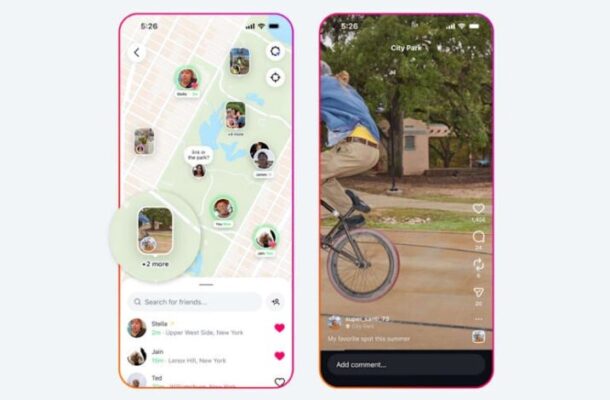
Instagram’s new ‘Maps’ feature allows users to share their real-time location with followers, but critics warn it could be dangerous. Meta insists the tool is optional and fully user-controlled.
A Controversial New Addition
Instagram’s latest update has stirred a heated debate over privacy and personal safety. The social media giant, owned by Meta, has rolled out a new ‘Maps’ feature that lets users share their real-time location with selected followers. While the company insists the tool is optional and secure, critics are calling for users to “turn it off immediately.”
What Is the Instagram ‘Maps’ Feature?
The new tool works much like Snapchat’s Snap Map, which has enjoyed considerable popularity among younger audiences. Once activated, Instagram’s Maps allows users to share their exact location with either all followers they follow back, or a customised list of trusted contacts.
Meta has been quick to emphasise that the feature is disabled by default and can be switched off at any time. Users can also hide their location in certain areas and create separate lists of people who are allowed to see them on the map.
Public Concerns: “Every Hacker’s Dream”
Not everyone is convinced. Critics on X (formerly Twitter) have voiced concerns that the option poses a serious safety risk. Some warn that criminals could exploit the feature to determine when someone is away from home, potentially leading to burglary or stalking incidents.
One viral post bluntly described it as “every hacker’s dream,” urging Instagram users to disable the feature immediately. The Independent also reported similar concerns, with commentators warning that real-time location sharing could endanger users, especially younger people.
Meta’s Defence: Full Control in Users’ Hands
In response, Meta reiterated that privacy safeguards are built into the tool. The company stressed that:
- The feature is off by default.
- Location data is only visible to people you choose.
- Parents managing teen accounts can control location sharing settings.
A Meta spokesperson noted that location will never be shared without user consent, and those who wish to use the feature can adjust visibility on a case-by-case basis.
A Divided Audience
The reaction from Instagram’s vast user base has been mixed. While privacy advocates warn of potential misuse, others point out that millions already share their whereabouts through posts, stories, and live videos. For these users, the Maps feature may simply provide a more convenient way to keep friends updated.
Convenience vs. Caution
The Instagram ‘Maps’ feature highlights an ongoing tension in social media—balancing innovation and convenience with user safety and privacy. Whether it becomes a popular tool or a widely shunned feature may depend on how much trust users place in Meta’s assurances.
For now, the message from critics is clear: think before you share, and remember you can always keep your location private.
Comments