Ghana injects $92 Million monthly to sustain electricity supply – PURC Boss
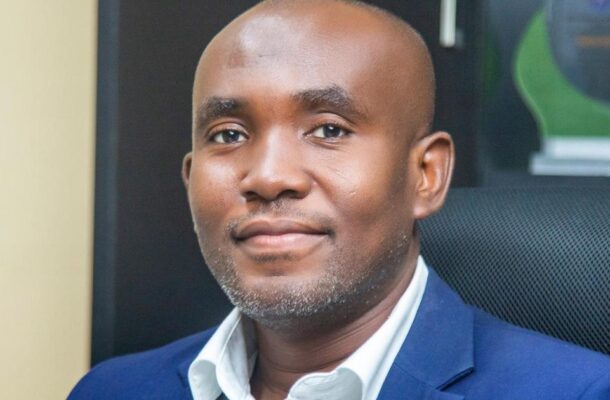
The Executive Secretary of the Public Utilities Regulatory Commission (PURC), Dr Shaffic Suleman, has revealed that the Government of Ghana spends an average of $92 million every month in addition to electricity tariffs paid by consumers to maintain a stable power supply across the country.
Speaking on JoyNews’ PM Express Business Edition, Dr Suleman disclosed that the Ministry of Finance continues to provide substantial financial support to the energy sector to prevent disruptions in electricity generation and distribution.
According to him, revenue generated from the recently introduced GH¢1 levy on petroleum products has been instrumental in addressing longstanding financial challenges within the sector.
Dr Suleman explained that a report submitted to Parliament and reviewed by him showed that approximately GH¢8 billion had been raised through the levy. He noted that the funds have largely been used to settle outstanding debts owed to Independent Power Producers (IPPs), whose services are critical to Ghana’s electricity generation.
He further stated that part of the proceeds was used to restore risk guarantees associated with the Sankofa Gye Nyame gas project, while another portion went toward clearing debts that had negatively impacted Ghana’s creditworthiness.
“We’ve also used some of it to pay to get back the risk guarantees on the Sankofa Gye Nyame gas production, and then we’ve also paid off the accumulated debt that was putting Ghana’s credit rating at a very terrible outlook,” he said.
The PURC boss added that Ghana has successfully restored the World Bank risk guarantee arrangement with ENI, a development he believes has enhanced the country’s international image and improved its credit profile.
“So it’s now making Ghana look so good, and our credit rating has also taken shape,” he noted.
Dr Suleman also disclosed that some of the funds have been used to pay gas suppliers, including partners involved in the Sankofa and Jubilee fields, ensuring a steady supply of fuel for power generation.
“We are using all that for the accounts I’ve seen to pay and sustain that part, and that’s actually what is keeping the lights on,” he stressed.
Responding to questions about whether the intervention had reduced the sector’s debt burden, Dr Suleman said the impact had been significant.
“Yes, it dropped the debt significantly. The government had to borrow to sustain the power sector,” he explained.
He emphasized that maintaining a reliable electricity supply throughout the year requires continuous financial support from the state.
“Every year, before our lights can be kept on consistently for 12 months, the Ministry of Finance must provide funds to cover the cost of fuel and other related expenses,” he said.
According to him, the monthly support currently stands at about $92 million.
“So when you see your lights on for 30 days, it means that aside from the tariffs consumers pay, the Ministry of Finance is also contributing $92 million every month to keep the power flowing,” Dr Suleman stated.
His comments highlight the significant financial burden involved in sustaining Ghana’s energy sector and underscore the government’s ongoing efforts to ensure stable electricity supply while addressing historical debts and improving the country’s credit standing.



Popular News
No trending posts found.