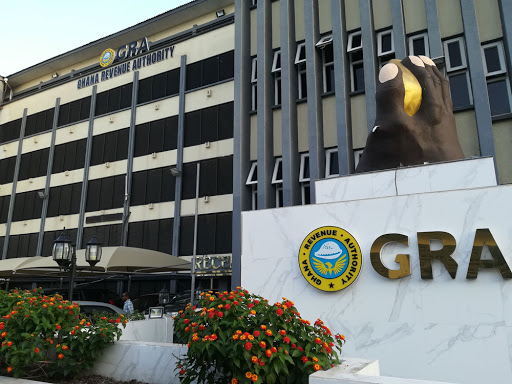
The Ghana Revenue Authority (GRA) has responded to recent claims by the National Identification Authority (NIA) that it was disconnected from the Identity Verification System (IVS) over unpaid fees.
In a statement released by its Communication and Public Affairs Department, the GRA expressed surprise at the claims and clarified that no formal service agreement exists between the two institutions to justify the alleged debt.
According to the GRA, the NIA’s claims are based on a "legacy debt" supposedly linked to services provided before 2025. However, GRA noted that its internal review could not identify any regulatory or governance approvals that validated those transactions.
“The GRA’s principles of transparency, compliance, and governance protocols do not permit enforcement of transactions that fall outside regulatory requirements, particularly in line with the President’s renewed vision for institutional accountability,” the statement read.
The GRA further highlighted that, in the spirit of inter-agency collaboration, the NIA has operated desks within GRA premises nationwide for years without paying rent or contributing to utility bills.
While the two agencies appear to be at odds, GRA confirmed that discussions at senior levels are underway to address the situation. The Authority maintained that the absence of a formal agreement and procedural lapses are central to the dispute.
Despite rejecting the legitimacy of the alleged debt, GRA acknowledged the importance of collaboration between the two agencies, especially in integrating the Ghana Card into the national tax framework — a key part of the government’s digital transformation efforts.
The statement concluded with a call for improved cooperation and assured the public of GRA’s continued commitment to fairness, integrity, responsiveness, service, and teamwork.
“We remain dedicated to serving the public with professionalism and to supporting efforts that advance national development,” it said.
Comments