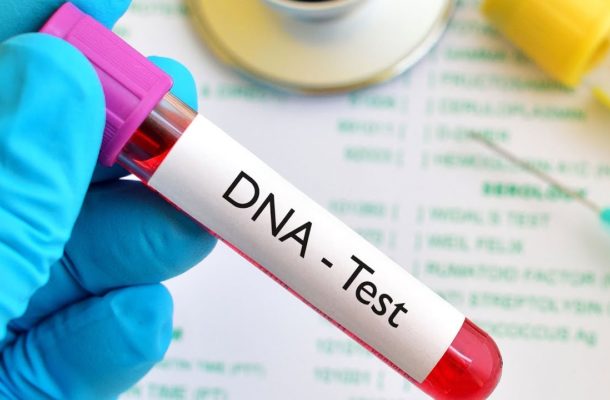
A new report by Smart DNA Nigeria has revealed that one in every four paternity tests conducted in the country continues to return a negative result, highlighting a persistent paternity crisis and widening trust issues within Nigerian families.
In its 2025 Annual DNA Testing Report, released this week, the Lagos-based genetic testing company disclosed that 25 per cent of paternity tests conducted between July 2024 and June 2025 showed that presumed fathers were not biologically related to the children in question.
Though slightly lower than the 27 per cent recorded in 2024, the figure underscores what the firm described as a “worrying and consistent trend.”
“These findings are not just about science; they tell us something profound about trust, relationships, and the legal and economic realities of Nigerian families today,” said Elizabeth Digia, Operations Manager at Smart DNA. “Our role is to provide certainty through accurate testing while encouraging sensitive handling of the life-changing information our clients receive.”
Key Findings
- Firstborns most affected: The report noted that firstborn children, especially boys, were far more likely to have negative results. Firstborn sons recorded a staggering 64 per cent exclusion rate, far higher than later-born siblings.
- Immigration-driven surge: Immigration-related DNA testing rose sharply, accounting for 13.1 per cent of all cases, driven by Nigeria’s “Japa” emigration wave. Many families now use DNA results for dual-citizenship documentation and relocation processes.
- Men dominate testing requests: 88.2 per cent of paternity tests were initiated by men, with older men (41+) making up nearly half (45.5 per cent), pointing to financial security as a key factor in seeking verification.
- Children tested earlier: Kids aged 0–5 represented the majority of cases at 58.6 per cent, reflecting a rising trend of parents seeking early clarity to avoid future disputes.
- Lagos still leads: Lagos State accounted for 69 per cent of all tests, with a notable shift from the Mainland to the Island. Lekki (20.3%), Yaba (15.8%), Ajah and Ikorodu (10.5% each), Surulere and Ikeja (9% each) were identified as top testing hubs.
- Ethnic breakdown: Yoruba families made up 53 per cent of clients, Igbo 31.3 per cent, while Hausa participation remained minimal at 1.2 per cent, reflecting cultural differences in attitudes toward paternity verification.
- “Peace of mind” leads reasons: An overwhelming 83.7 per cent of tests were done for reassurance rather than legal purposes, while court-ordered cases stood at just 1.4 per cent.
The report also found that male children were tested more frequently (53.8 per cent), suggesting ongoing emphasis on confirming male lineage, possibly linked to inheritance and family name preservation.
Calls for Legal Reform
Smart DNA stressed that Nigeria lacks laws addressing paternity fraud, unlike South Africa and some other countries. The company recommended integrating DNA testing into public health policies, family planning, and premarital counselling frameworks.
“We’re seeing more people come forward with doubts they’ve harboured for years. Some of these cases involve emotional trauma and even financial exploitation. A policy framework is overdue,” Digia added.
The company clarified that the report is based on anonymised data from real cases and does not represent the entire population. “Our figures reflect those who already had reason to question paternity, and as such, the results should not be extrapolated to all Nigerian families,” it explained.
Credit: Vangaurdngr.com
Comments