
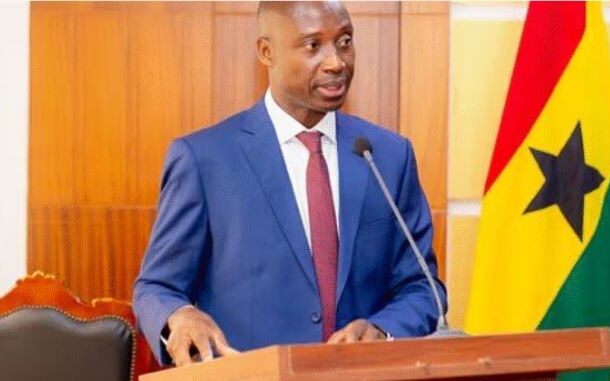
Government Statistician, Dr Alhassan Iddrisu, has revealed that Ghana recorded about 6.6 million domestic same-day visits in 2023, with travel activity peaking in the first quarter of the year—reflecting the country’s vibrant social and cultural calendar.
Presenting findings from the Ghana 2023 Domestic and Outbound Tourism Survey, released on Tuesday, December 16, Dr Iddrisu noted that women accounted for a slightly higher share of trips, while adults aged 25 to 44 years emerged as the most active travellers, representing the core of Ghana’s productive population.
According to the report, travel flows were strongest between the Greater Accra and Ashanti regions, which ranked as both the leading origins and destinations for same-day travel.
Dr Iddrisu explained that nearly 70 per cent of all same-day trips were undertaken to visit friends and relatives or to attend funerals, underscoring the deep social and cultural roots of mobility in Ghana. However, he observed that although business and professional trips were fewer, they generated disproportionately higher spending, pointing to significant untapped potential for structured domestic business tourism.
The survey also highlights the substantial economic impact of domestic same-day travel. Visitors spent an estimated GH¢1.83 billion in 2023, with about 88 per cent of expenditure occurring during the trip itself. Transport and shopping each accounted for roughly one-third of on-trip spending, directly supporting transport operators, traders, markets and local service providers across the country.
“These figures are not abstract,” Dr Iddrisu noted. “They represent real livelihoods, jobs and the circulation of income within local economies.”
The data further reveal that road transport remains dominant, with buses and minibuses conveying nearly 60 per cent of same-day travellers. Additionally, 96.7 per cent of trips were self-arranged, reflecting both resilience and informality in the sector, but also highlighting missed opportunities for packaged travel experiences, improved safety standards and higher value creation.
Dr Iddrisu stressed that domestic same-day tourism—by both Ghanaians and non-Ghanaians living in Ghana—is already playing a significant but often overlooked role in the economy. Whether for funerals, family visits, business, shopping, health or leisure, these short trips generate spending, sustain livelihoods and strengthen social cohesion nationwide.
The report fills a critical data gap in Ghana’s tourism statistics and strengthens the foundation of the Tourism Satellite Account (TSA). For the first time, it provides national and regional insights into who travels, why they travel, how they move and how much they spend on domestic same-day trips—offering policymakers a stronger evidence base to better harness the sector’s economic potential.
Comments