
90,000 more teachers needed, but only 7,000 recruitment slots approved – Haruna Iddrisu
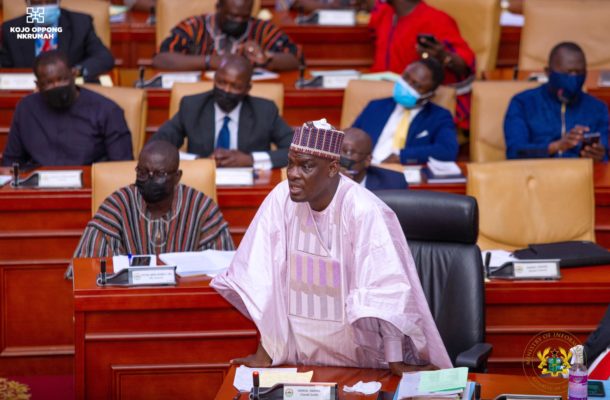
Minister for Education Haruna Iddrisu has revealed that Ghana is grappling with a major teacher deficit, with the country requiring between 50,000 and 90,000 additional teachers to adequately meet staffing needs across schools nationwide.
Addressing Parliament on Thursday, June 18, the Minister said the government’s ability to recruit teachers is being constrained by budgetary limitations, despite the growing demand for educators within the education sector.
According to him, while the actual staffing gap remains substantial, approval has only been granted for the recruitment of 7,000 teachers.
“My need for teachers is between 50,000 and 90,000, but I had clearance for 7,000, and that is what I am making do with,” he told lawmakers.
Mr. Iddrisu explained that recent reforms in the education sector have increased the demand for teaching personnel, particularly with the expansion of institutions under the Ghana Education Service and the Commission for Technical and Vocational Education and Training.
He noted that the limited number of newly recruited teachers must be shared between the mainstream education system and the technical and vocational education sector, placing additional pressure on already stretched resources.
“The country has evolved and we have taken reforms that will benefit education in the foreseeable future. We now have the Commission for Technical and Vocational Education and Training and the GES, and so when we are recruiting, we allocate teachers for TVET and GES, but there is a difference between need and what I have budgetary approval for,” he explained.
The Minister’s remarks come amid concerns from education stakeholders, teacher unions and thousands of trained teachers seeking employment following the government’s recent recruitment exercise, which created only 7,000 teaching positions.
Mr. Iddrisu emphasized that teacher recruitment remains closely tied to the country’s fiscal capacity, adding that government must strike a balance between addressing educational needs and managing public expenditure.
The disclosure highlights the scale of the staffing challenges facing Ghana’s education sector and is expected to fuel further debate on how to bridge the teacher gap while maintaining sustainable public finances.




Popular News
No trending posts found.