
Kumasi Academy WASSCE Students Arrested After Threatening to Burn School Over “Quarantine” Treatment
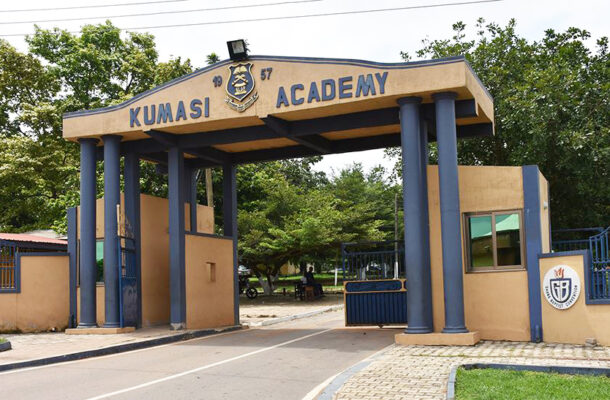
Four students of Kumasi Academy sitting the 2026 West African Senior School Certificate Examination have been arrested after allegedly threatening to set the school ablaze once their exams were done — a dramatic escalation rooted in their anger over what they describe as unfair treatment during the examination period.
The threats, according to reports, were sparked by the school’s decision to place the students among a group of approximately 60 WASSCE candidates who have been writing their papers in isolated rooms, separated from the general student body.
The affected students and their parents have referred to the arrangement as a “quarantine” system, a term that has since become the flashpoint of a broader dispute between families and school authorities.
School management, however, has pushed back firmly against the characterisation that the measure is punitive or harmful.
According to the Ghana Education Service Directorate in the Asokore Mampong Municipality, the students placed under the arrangement had displayed persistent indiscipline throughout the academic year — including repeated absenteeism, refusal to sit internal and mock examinations, and behaviour deemed likely to intimidate better-prepared classmates.
Municipal Director of Education Samson Anawine Atogembero defended the policy during a visit to the examination centre alongside school authorities and GES officials, where Adom News observed the affected students writing their Social Studies paper under invigilator supervision without any security presence.
“Those who are under quarantine are simply those who decided not to follow school rules — not writing semester or mock exams, not being regular in class, and engaging in various forms of indiscipline,” he explained.
“When we say they are under quarantine, it is a normal process. It means they are in a classroom of about 30 students and are treated like their colleagues, except that index number arrangements are not followed as usual.”
He added that the separation was necessary to protect the integrity of the examination and shield diligent candidates from potential disruption or malpractice.
“If we allow them to sit with other students who were regular throughout the semester, they may be disruptive and could even attempt to copy from their colleagues.
When they are caught, innocent students would be affected, which we do not want to tolerate,” he said.
Atogembero also dismissed claims that the isolated students had been denied study support or dormitory supervision, and clarified that the word “quarantine” had been widely misunderstood. \
He emphasised that the measure was temporary and that school authorities were actively engaging parents to strengthen discipline going forward.
Parents of the affected students, however, remain unconvinced. They have described the environment their children are writing exams in as tense and hostile, arguing that the psychological toll of isolation on students already navigating the pressures of a high-stakes national examination cannot be overlooked.
As tensions boiled over, the four students allegedly made threats to torch the school after completing their papers — a development that prompted the Asokore Police Command to move in and make arrests.
Following their detention, the students and their parents signed a bond committing to good behaviour, after which the students were released to continue their examinations.
Atogembero used the occasion to issue a stern warning to all senior high school candidates in the municipality, cautioning that any acts of destruction or violence after examinations would be met with the full force of the law.






Popular News
No trending posts found.