
PFAG calls for rice import Quota, six-month import ban to protect local farmers
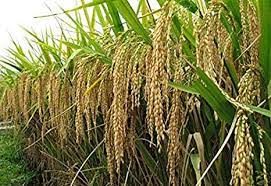
The Peasant Farmers Association of Ghana (PFAG) has urged the government to implement a rice import quota policy and introduce a range of urgent measures to address challenges facing local rice producers and the broader agricultural sector.
While welcoming ongoing discussions on regulating rice imports, the Association said immediate action is needed to protect farmers from mounting losses resulting from unsold stocks, declining farm-gate prices and limited market access.
Among its key recommendations, PFAG is calling for a six-month moratorium on rice imports to allow locally produced rice currently on the market to be sold.
According to the Association, the temporary suspension would provide much-needed relief to farmers, stabilize market prices and help restore confidence in Ghana’s domestic rice industry.
In a statement posted on its Facebook page, PFAG also called on the government to intensify efforts to combat rice smuggling along the country’s borders, describing the practice as a form of economic sabotage that threatens the livelihoods of local farmers and undermines investments in the sector.
The Association urged national security agencies to conduct regular anti-smuggling operations and provide periodic updates on enforcement activities.
PFAG further proposed the introduction of a legal and regulatory framework that would compel government ministries, departments and agencies, state-owned enterprises, public hospitals, schools, prisons, the military and other public institutions to prioritize the purchase of locally produced rice and other staple foods.
The Association argued that such a policy would create a reliable market for local farmers and boost domestic agricultural production. It also recommended strict monitoring and enforcement mechanisms, including sanctions for institutions that fail to comply.
PFAG additionally called for direct procurement arrangements between public institutions and farmer organizations to facilitate efficient supply chains and improve market access for producers.
The Association also demanded an urgent review of the operations of the National Food Buffer Stock Company Limited (NAFCO), including its procurement systems, financing arrangements and institutional capacity.
According to PFAG, NAFCO should be restructured and adequately resourced to function as an effective, efficient and accountable purchaser of locally produced agricultural commodities, particularly during periods of market surplus.
The Association further proposed the establishment of a dedicated price stabilization fund for rice and other strategic food crops to protect farmers from volatile market conditions and ensure fair returns on their investments.
PFAG also called for increased investment in post-harvest infrastructure, including storage facilities, rice mills and market linkage platforms, to reduce losses and improve the competitiveness of locally produced rice against imported alternatives.
Beyond rice production, the Association warned that farmers cultivating maize, cassava, yam, soybean and cowpea are facing similar challenges, including poor market access, falling prices and significant post-harvest losses.
According to PFAG, these challenges pose a serious threat to Ghana’s food security and economic resilience if left unaddressed.
The Association therefore urged the government to develop a comprehensive Agricultural Market Stabilization Policy that would address issues relating to pricing, storage, procurement and market access across the agricultural value chain.
With the new planting season approaching, PFAG said farmers require clear assurances that their investments will be protected and that viable markets will exist for their produce.
The Association reaffirmed its commitment to collaborating with government and other stakeholders to achieve food self-sufficiency, stressing that farmers are looking for practical interventions that will strengthen the sector, improve incomes and safeguard the livelihoods of those who feed the nation.













Comments (0)