
Bridging Worlds Through Literature: Reading The Restless Crucible
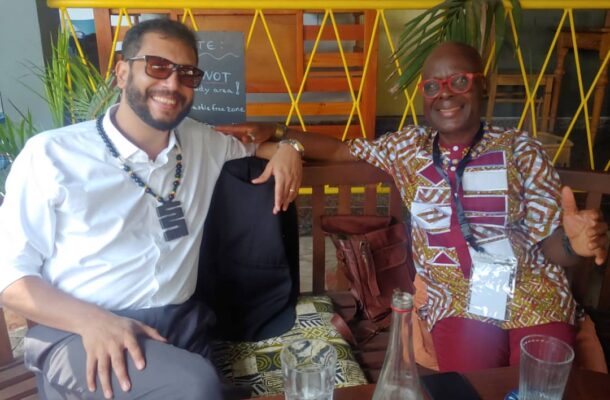
Over the past semester, my Advanced English group at The Rising Sun Language School had the privilege of undertaking a close reading of The Restless Crucible. Yet, to fully appreciate the significance of this experience, we must go back more than a decade, to the moment when Professor Yaw Agawu-Kakraba and I exchanged our very first emails. At that time, the novel itself had probably not even begun to take shape.
In 2013, after defending my master’s dissertation, my literary horizon underwent a profound transformation. During a conversation with my supervisor, the distinguished Brazilian poet Heleno Godói, I was asked whether I wished to pursue research on Irish or Zimbabwean literature. I chose the latter for the simplest of reasons: I knew almost nothing about Zimbabwe. Curiosity became the starting point of a journey that would shape my academic career. My dissertation focused on the fiction of Chenjerai Hove, offering a comparative study of his three major novels, Bones, Shadows, and Ancestors, none of which has yet been translated into Portuguese.
That same year, I helped one of our students prepare a conference presentation she would deliver in Germany. My role was to help her shape a speech that could confidently reach an international audience. The experience awakened in me the desire to place my own research within a broader scholarly conversation. I began submitting papers to international conferences, including the International Conference on African Literatures and Languages (ICALLAS) in Ghana. My first opportunity eventually came at the 40th Conference of the African Literature Association, held in South Africa in 2014.
That conference profoundly expanded my access to contemporary African literature. More importantly, it introduced me to friendships and collaborations that would later become defining moments in my professional life. Writers and scholars such as Manu Herbstein, Mia Couto, and Susan Kiguli became some of the most meaningful connections I established during those early years of my international academic journey.
Throughout the following decade, I continued submitting papers to ICALLAS. Professor Yaw was invariably the person answering my messages. For ten years, we exchanged emails while searching for ways that would finally allow me to attend the conference. In 2023, I secured funding through my graduate program with the intention of presenting research drawn from my doctoral dissertation, which explored the work of Carolina Maria de Jesus, the first Black woman from a Brazilian favela to be widely published and translated around the world. A paper collector by profession and a direct descendant of enslaved Africans, Carolina transformed Brazilian literature through the force of her testimony.
Unfortunately, that year’s edition of ICALLAS was cancelled, postponing once again my long-awaited meeting with Professor Yaw.
Fate, however, had other plans.
In 2024, I was invited to speak at Pa Gya!, Ghana’s annual literary festival in Accra, where I presented my Portuguese translation of Ama: A Story of the Atlantic Slave Trade, written by my dear friend Manu Herbstein. Pa Gya! brings together writers from across Africa and beyond, creating one of the continent’s most vibrant literary gatherings.
When I arrived at the Goethe-Institut library, where my lecture was scheduled to take place, I was told that Professor Yaw was just concluding his own presentation. It is worth mentioning that, within Akan tradition in Ghana, people are often named according to the day of the week on which they are born. “Yaw” is the name traditionally given to boys born on Thursday; had I been born in Ghana, my Akan name would have been Kwabena, since I was born on a Tuesday.
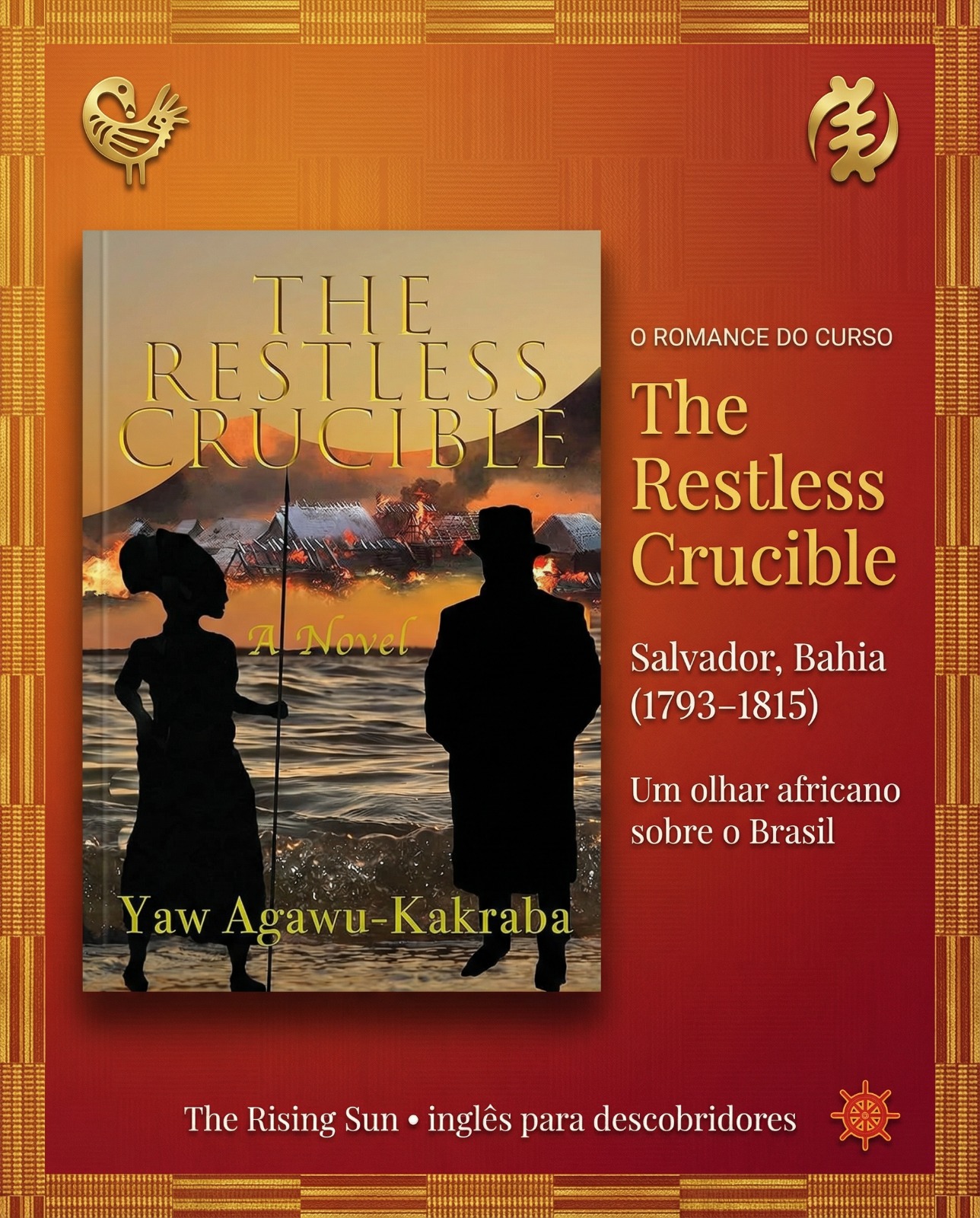
Moment later, there he was, delivering a fascinating lecture about the remarkable Elmina Castle, which I had visited only days before. After more than ten years of correspondence, my pen pal and I finally met in person.
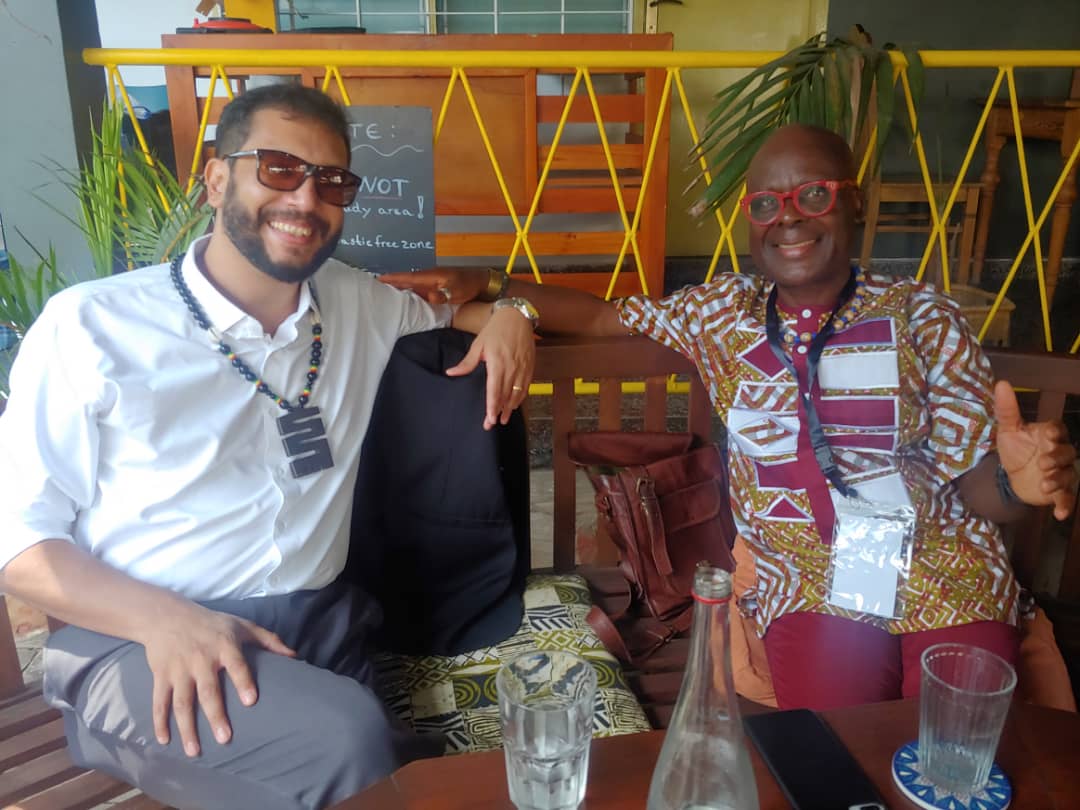
Following my presentation, we spoke about our ongoing projects, but especially about his newly published and award-winning novel, The Restless Crucible. I promised him that I would read the book and, perhaps, organize a course around it, following the tradition I had established with Ama, a novel to which I had already devoted three different reading courses and whose Portuguese translation is now nearing completion.
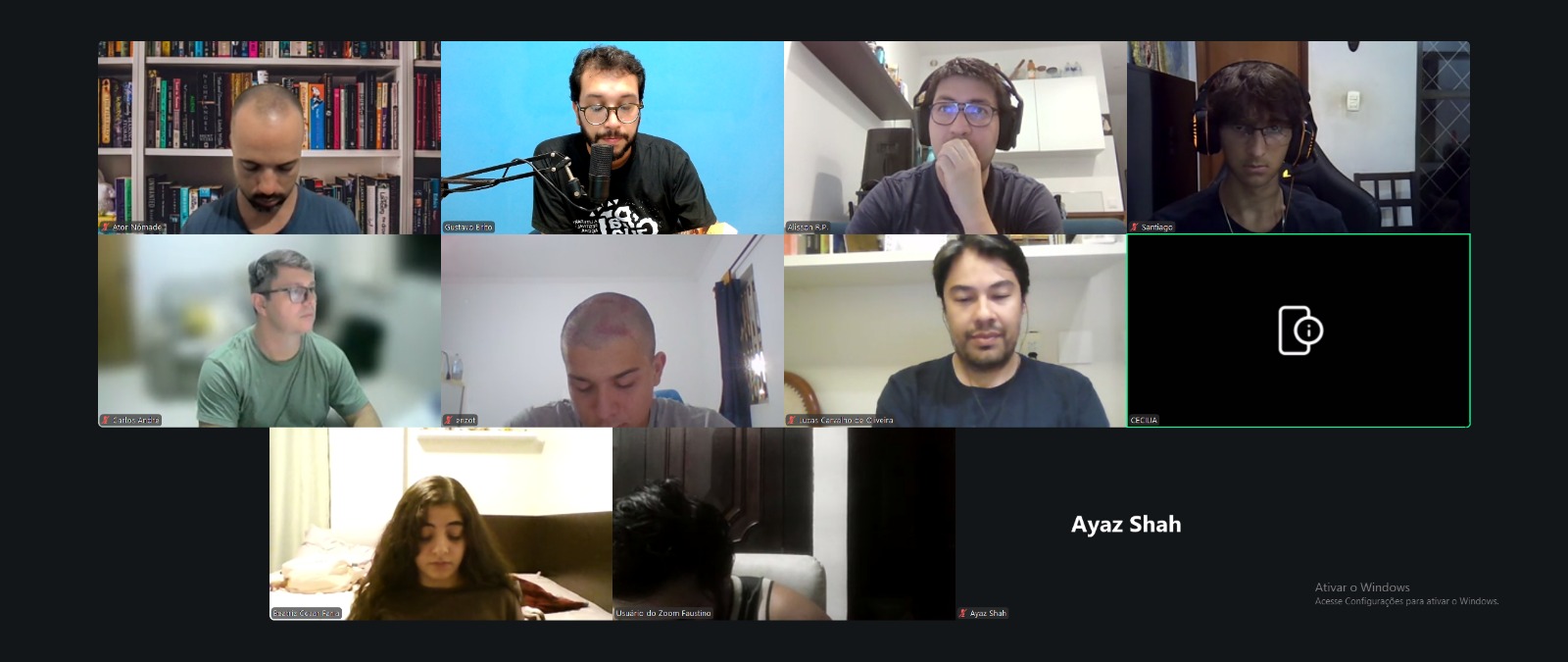
During the first half of 2026, our class devoted itself to a careful and sustained reading of The Restless Crucible. Week after week, we explored its narrative architecture, thematic complexity, iconic scenes, metanarrative interventions, and the many literary strategies that make the novel an outstanding artistic achievement. The Restless Crucible stands as a powerful contribution to recovering the fragmented memory of the millions of Africans who were enslaved and forcibly transported across the Atlantic, many of them to Brazil.
The trauma of slavery occupies a central place not only in the novel but also in Brazilian history itself. The immense wealth generated through enslaved labor was never redistributed after abolition in 1888. On the contrary, that same year, under the orders of Finance Minister Ruy Barbosa, a figure widely celebrated within the Brazilian abolitionist movement and remembered as one of the country’s foremost legal thinkers, the official records relating to slavery were deliberately destroyed. In an act whose symbolic and historical consequences remain immeasurable, countless documents were burned, erasing the traces of millions of lives. The destruction also protected the newly established Republic from facing complex legal claims regarding compensation, while shielding the former slave-owning elite from public scrutiny. The result was not only the loss of historical evidence but also the institutionalization of a collective amnesia whose effects continue to shape Brazilian society.
The Restless Crucible confronts precisely this silence.
The novel follows the extraordinary and deeply unsettling trajectory of Pedro de Barbosa, a fictional character inspired by a historical figure who rises from enslavement to become one of the most successful slave traders of his era. Through Pedro’s life, Professor Yaw compels readers to confront uncomfortable questions about power, survival, ambition, and moral compromise within the machinery of the Atlantic slave trade.
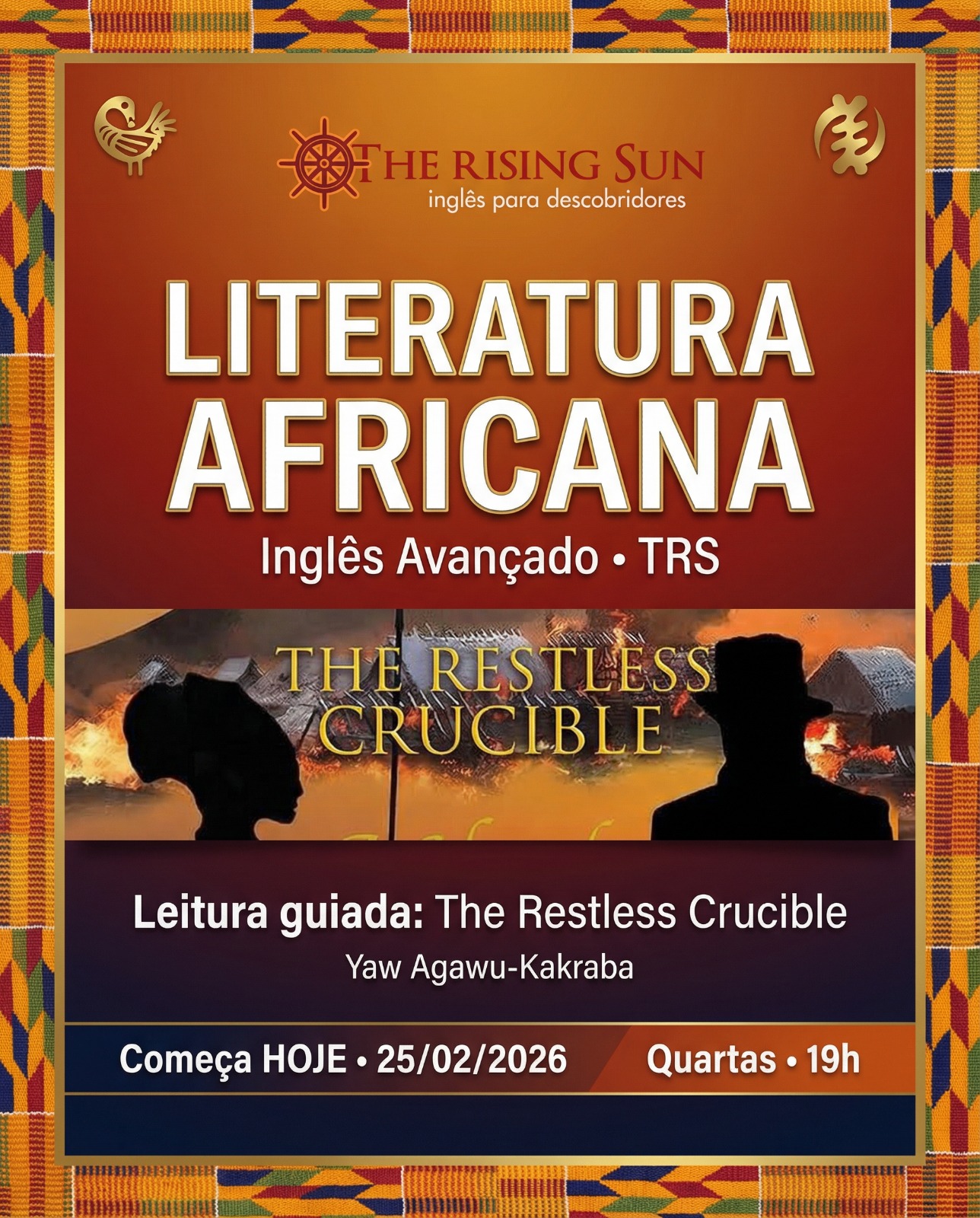
We first encounter Pedro as a child wandering the streets of Salvador. These opening chapters resonate strongly with the Brazilian literary tradition. Readers familiar with Jorge Amado’s Captains of the Sands (Capitães da Areia) will immediately recognize echoes of its world in Pedro’s Cabula Gang, a group of Black children abandoned to poverty, crime, and survival in colonial Bahia.
Later, while imprisoned, Pedro’s story recalls another literary classic: The Count of Monte Cristo. Under the guidance of the remarkable Salvador Viegas, a colonial Brazilian counterpart to Abbé Faria, Pedro receives his first lessons in boxing and discipline within the walls of Refúgio Pacífico, a prison that evokes the symbolic role of the Château d’If in Dumas’s masterpiece.
Throughout the novel, Pedro becomes an extraordinarily complex protagonist. He inspires disgust, admiration, amusement, empathy, and, at times, even pity. His relentless pursuit of status and recognition transforms him into one of those rare literary figures who resist simplistic moral judgment.
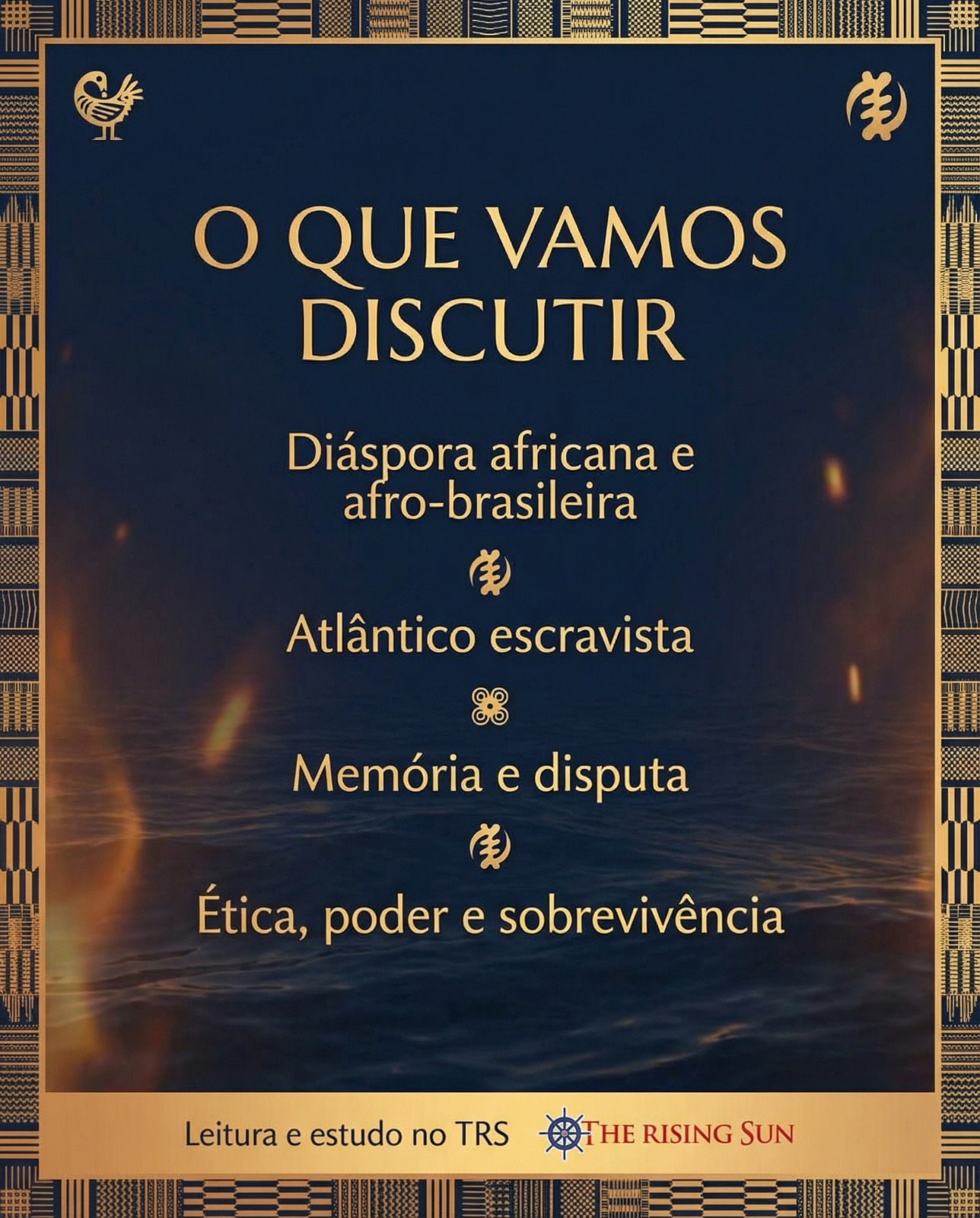
The narrative eventually carries us across the Atlantic in what might be described as a reverse Middle Passage. Returning to Africa, Pedro discovers that the colonial identity he has embraced has estranged him from his own African heritage. Having internalized the values of the slave-owning world, he embodies what Frantz Fanon famously described as the “white mask.” His return is therefore not one of homecoming but of profound alienation.
Alongside Pedro’s personal journey, readers are introduced to the intricate political dynamics of the kingdoms of Ouidah and Dahomey. Historical detail and literary imagination work together to illuminate the economic, political, and social mechanisms that sustained the Atlantic slave trade, revealing a system whose consequences continue to reverberate across both Africa and the Americas.
The novel is currently being translated into Portuguese by Professor Dixon Abreu of Richmond University in the United States. I have every reason to believe that, much like Ama: A Story of the Atlantic Slave Trade, The Restless Crucible will become an essential contribution to the education of readers seeking a deeper understanding of the colonial processes that continue to shape the psychological, social, and economic realities of both Brazil and the African nations from which so many of our ancestors were taken.
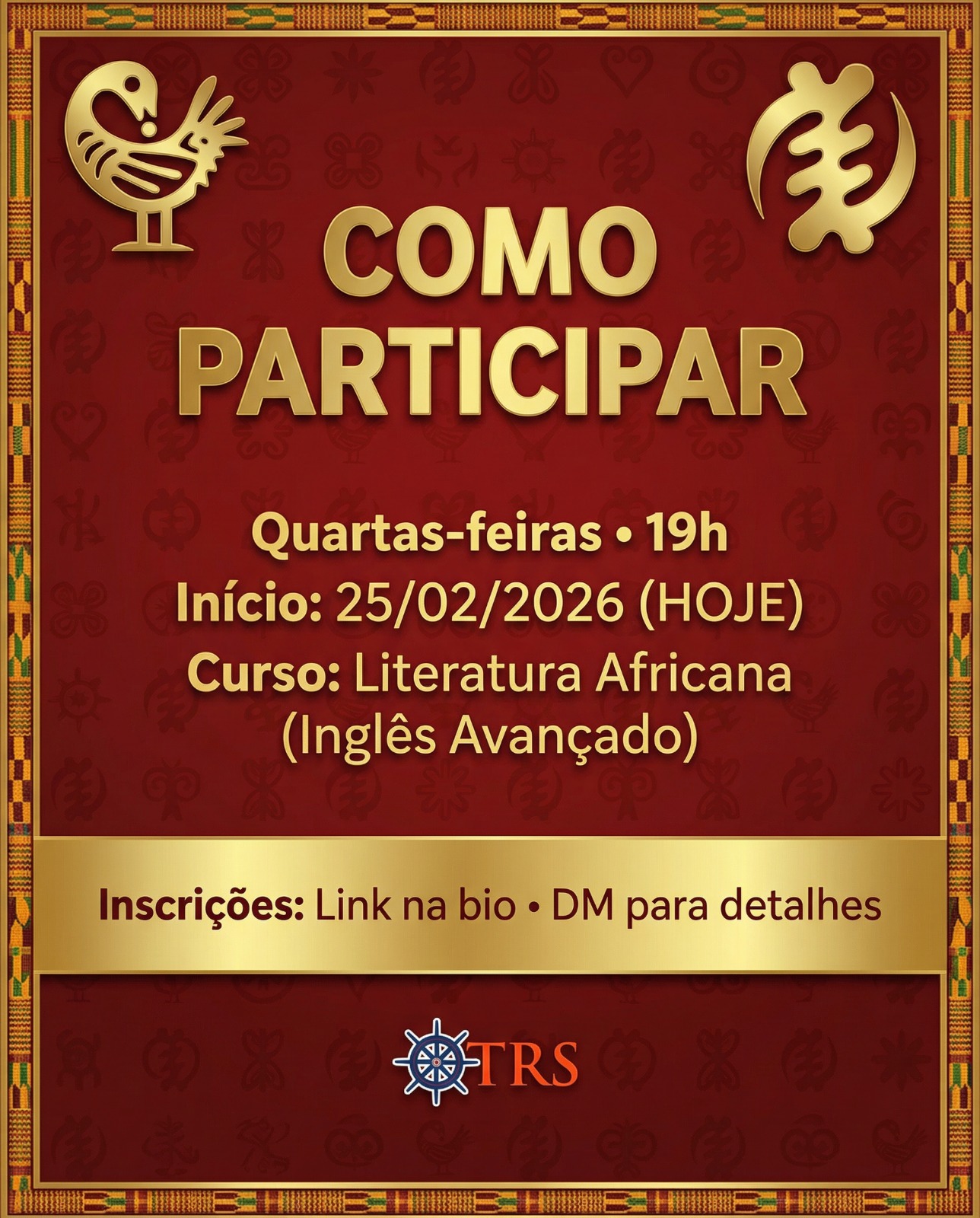
Reading this novel at The Rising Sun Language School is part of a broader educational commitment to Brazil’s Law 10.639/03, which requires the teaching of African and Afro-Brazilian history and culture throughout the country’s educational system. For us, literature is one of the most powerful ways of fulfilling that commitment. It allows students not only to improve their English but also to engage critically with histories that have too often been silenced, distorted, or forgotten.
Over the course of our discussions, The Restless Crucible invited us to question inherited narratives, to recognize the enduring legacies of slavery, and to reflect upon the complex human experiences concealed beneath official histories. By joining meticulous historical research together with compelling storytelling, Professor Yaw has produced a work that speaks simultaneously to Africa, Brazil, and the wider Atlantic world.
As both a scholar and a translator of African literature, I have long believed that literature possesses a unique capacity to reconnect territories separated by history yet united by memory. Stories travel where borders cannot. They restore conversations interrupted by the brutality of forced displacement.
On behalf of all the students who participated in this reading course, I would like to express my deepest gratitude to Professor Yaw Agawu-Kakraba for building yet another bridge between our worlds through literature. We eagerly await the publication of The Restless Crucible in Portuguese and are convinced that Pedro de Barbosa’s story will help confront the historical amnesia that still distances Brazil from its African roots.
Dr. (Santana Miranda) Brito, playwright, researcher, translator, educator, is currently a professor of English and Literature at the Department of Scenic Arts Production at Escola do Futuro do Estado de Goias em Artes Basileu Franca, Goiania, Brazil, with his areas of research spanning historical consciousness, Afro-Atlantic, Afro-Brazilian and ancestral memory and more






Popular News
No trending posts found.