
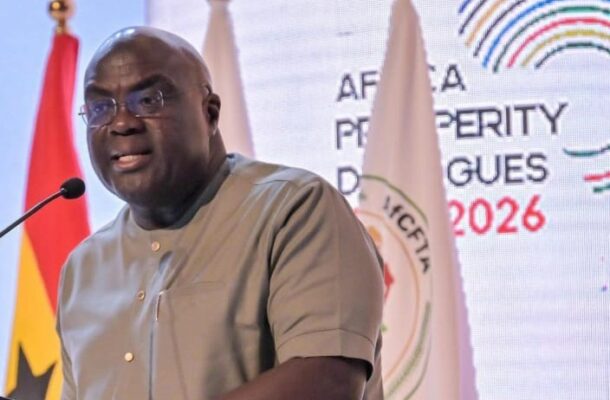
The Chief of Staff at the office of the President of Ghana, Julius Debrah, has called for concrete measures to translate Africa’s continental integration into tangible economic outcomes for women, youth, and small and medium-sized enterprises (SMEs).
He delivered the remarks at the Presidential & Business Leaders’ Dialogue, held on Day Three of the 2026 Africa Prosperity Dialogues (APD).
The dialogue, held under the theme “Empowering SMEs, Women & Youth in Africa’s Single Market: Innovate. Collaborate. Trade,” took place at the Accra International Conference Centre (AICC) on Friday, 6 February, 2026.
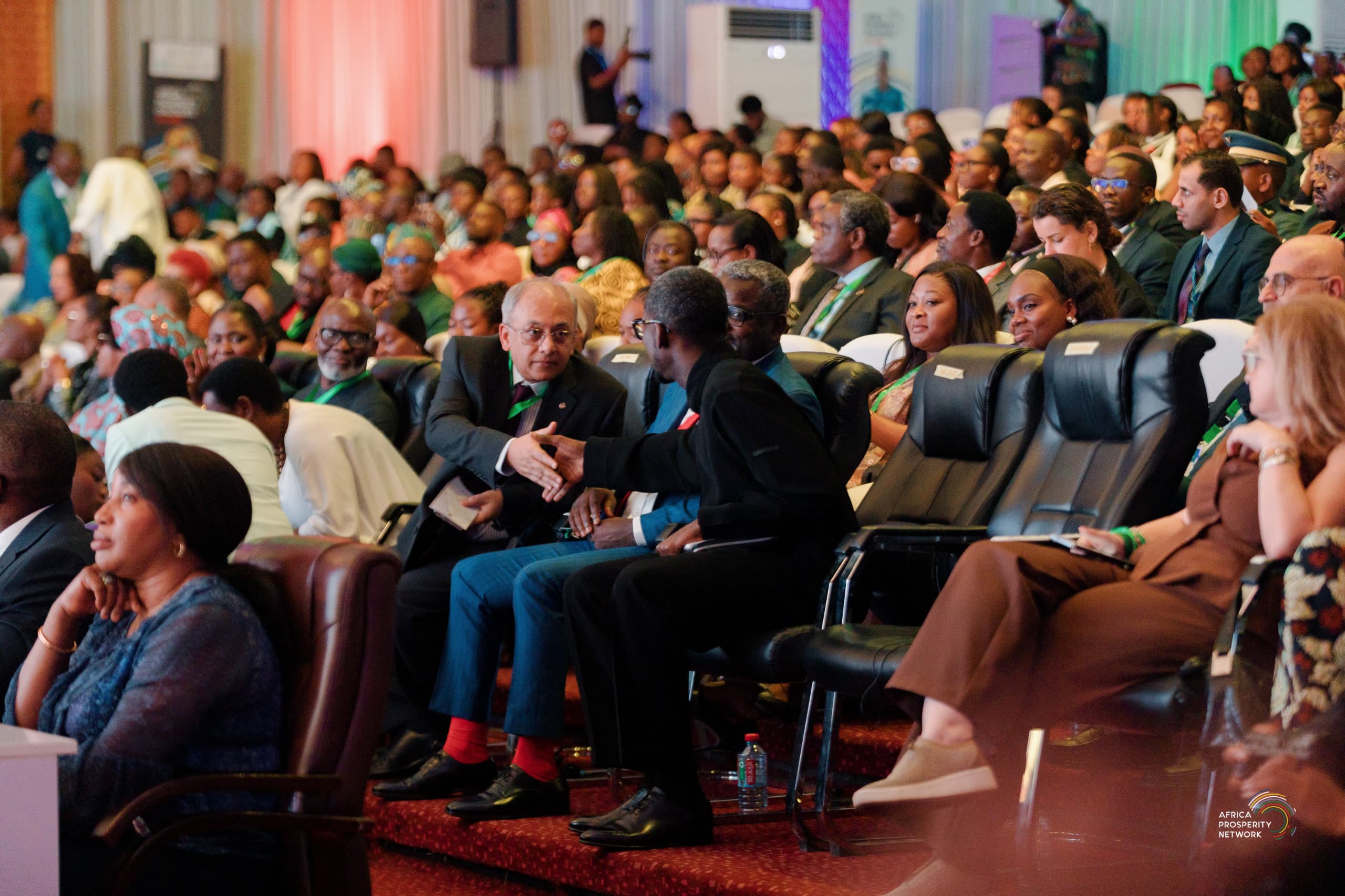
Debrah highlighted real-life challenges faced by Africans navigating the continent’s complex visa and trade systems.
“A group of young people, led by former legislator Ras Mubarak, set out to tour Africa and could only visit 31 countries because of visa delays. It took three months to obtain responses from one country,” he recounted, emphasizing the urgency of free movement for economic development.
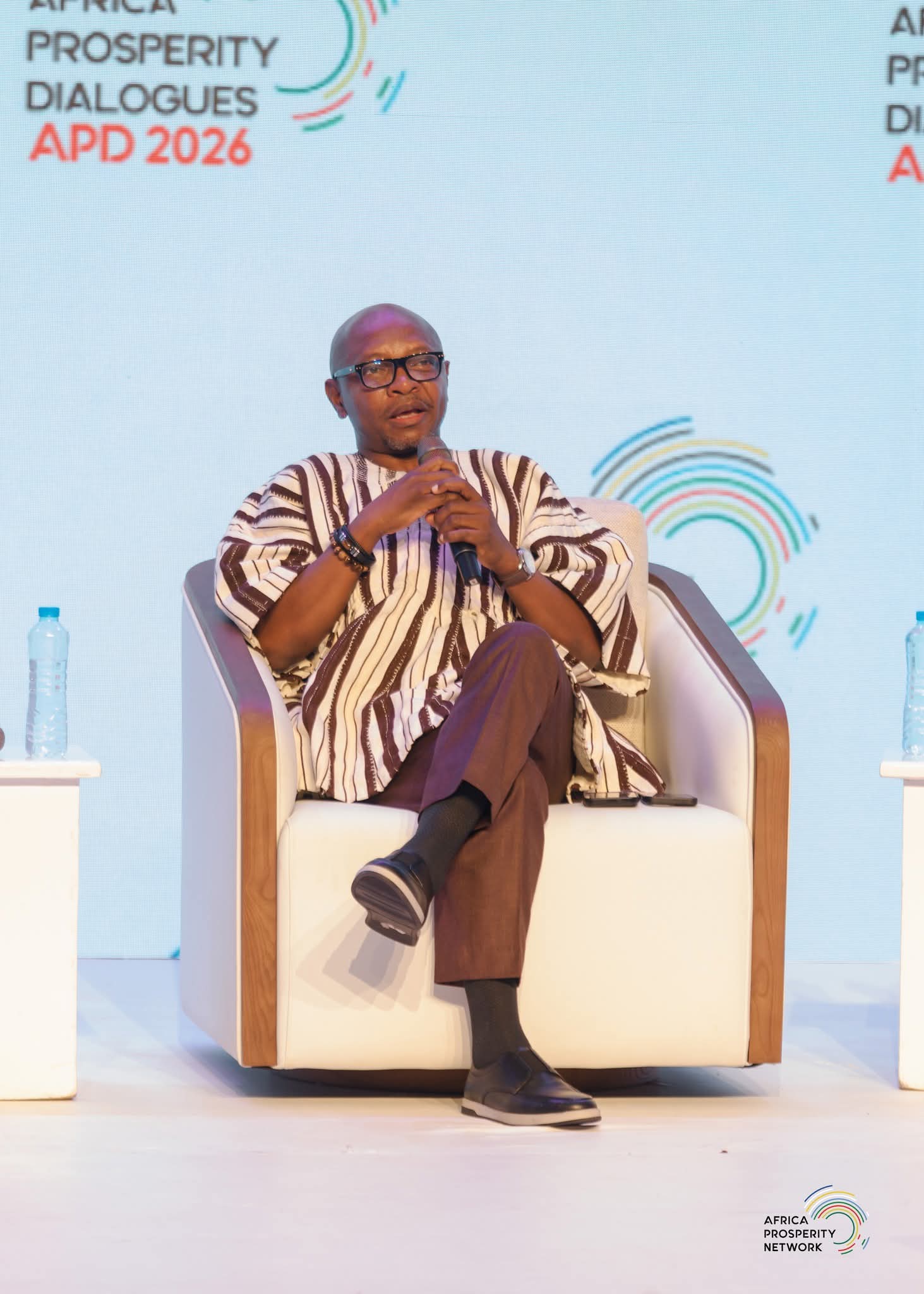
Julius Debrah stressed that while Africa has largely established the architecture of integration, the next step is to ensure that these ambitions improve the daily lives of those who form the backbone of the continent’s economy.
“SMEs account for the overwhelming majority of businesses and jobs, yet only a small fraction participate in cross-border trade. Women entrepreneurs and young innovators face structural barriers to finance, markets, and technology,” he said.
He lauded the Africa Prosperity Network for providing a platform where policy meets capital, ideas are tested against implementation, and partnerships are formed to drive measurable outcomes.
“This dialogue has evolved beyond a conference. It is now a space where Africa’s future is discussed in terms of deals, reforms, partnerships, and tangible results,” Debrah added.
Highlighting Ghana’s commitment to economic integration, Debrah noted that the country continues to champion practical reforms through the Secretariat of APTA, including simplifying customs procedures, reducing non-tariff barriers, improving logistics, strengthening value chains, and investing in industrial and digital infrastructure.
He reinforced President John Mahama’s call for integration to be engineered, financed, and implemented, warning that declarations alone will not drive continental prosperity.
He outlined three key actions for achieving an inclusive single market: aligning finance with enterprise, building trade capability at scale, and making integration visible and tangible through successful cross-border trade by women-led and youth-led businesses.
Debrah underscored that a borderless Africa is not about erasing sovereignty but unlocking opportunity.
“If we empower women and youth with real access to finance, skills, markets, and mobility, we will grow dignity alongside growth. If we scale SMEs into continental champions, we will create jobs, resilience, and shared prosperity,” he said.
The three-day dialogues, which brought together over 3,000 attendees, including thought leaders, top business executives, and political office holders saw a forthright advocacy for African governments to support Small and Medium Enterprises (SMEs), women, and youth entrepreneurs in their countries to boost their businesses.
Some of the speakers and participants were Vice President Professor Jane Naana Opoku Agyemang, Ambassador Amma Twum, Commissioner at the African Union Commission (AUC), Professor P. L. O. Lumumba, lawyer and former Director of the Kenya Anti-Corruption Commission and Dr. Nkosazana Dlamini-Zuma, APN Advisory Board Chair among others.
Border Restriction
Founder and Executive Chairman of the Africa Prosperity Network (APN), Gabby Asare Otchere-Darko, in his statement on day three of the dialogues called on African leaders to prioritize economic integration and the removal of barriers across the continent, warning that existing borders restrict Africa’s true sovereignty and potential.
The APN Founder highlighted the disconnect between the continent’s ambitious treaties and protocols and their actual implementation.
He recounted past efforts at global platforms such as Davos, where Africa often finds itself “not part of the major discussion,” underscoring the need for homegrown spaces like the APN dialogues to center African voices in shaping continental growth.
“Borders restrict our sovereignty. You cannot have sovereignty when you don’t have economic leverage,” Otchere-Darko emphasized, drawing attention to Africa’s untapped economic potential.
He argued that restrictive borders hinder trade, limit youth opportunity, and stall continental prosperity.
Tracing Africa’s integration efforts from the 1977 Accra meeting that established the African Standards Organization to the 1991 Abuja summit, which laid the foundation for the Economic Community of Africa, Otchere-Darko noted decades of unfulfilled promises.
He highlighted the signing of the Free Movement Protocol in Addis Ababa in 2018 and the African Continental Free Trade Area (AfCFTA) two months later, lamenting that only a handful of countries have ratified these agreements.
Otchere-Darko cautioned that youth unemployment, already a pressing challenge, could escalate into a major crisis if African nations fail to act decisively.
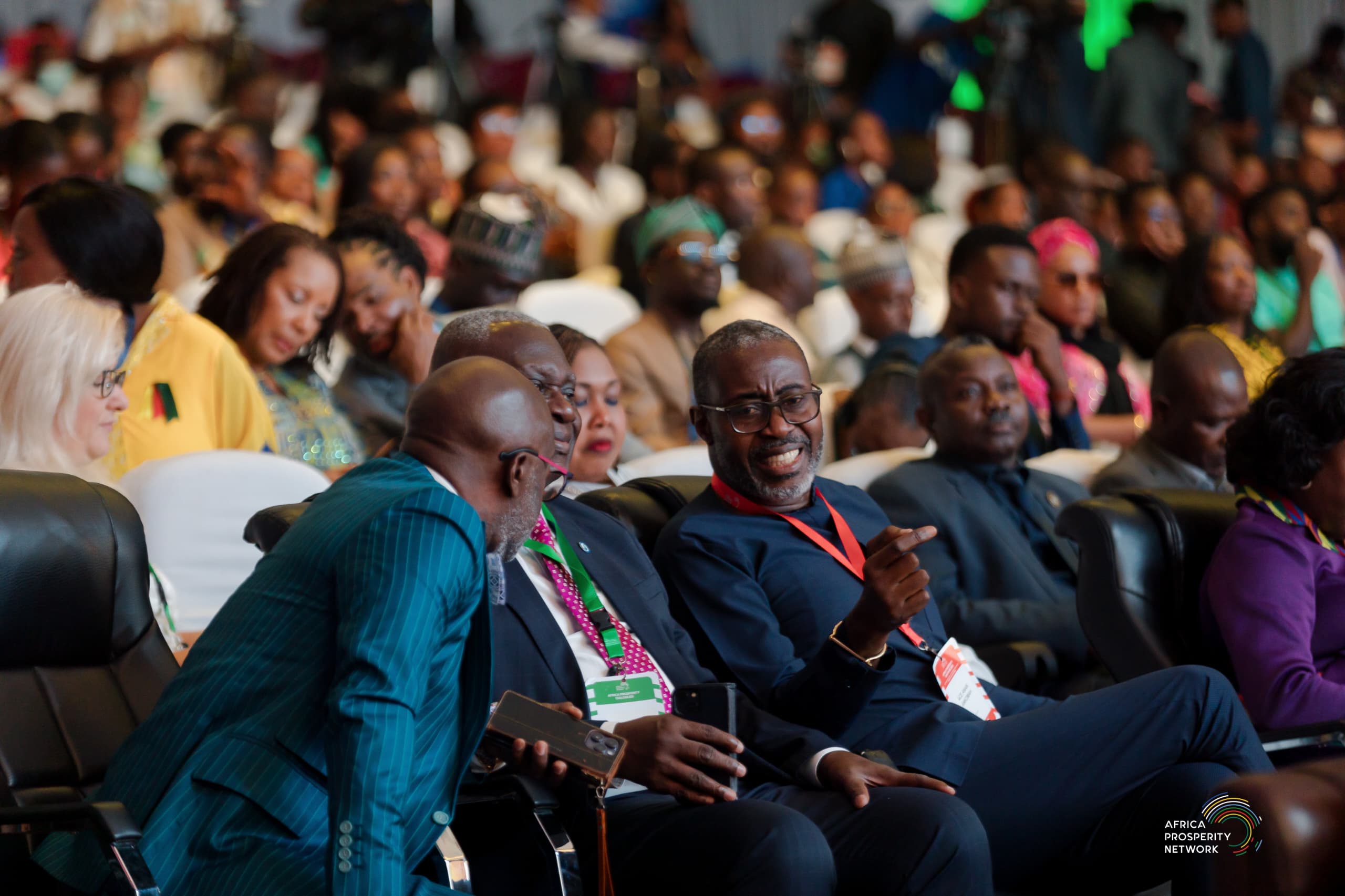
“Currently, we have 1 billion young people in Africa, and by 2040, 1.3 billion of them will be of working age. Our economy is big enough to create jobs for them, b
ut only if we open our borders and leverage our collective potential,” he said.
Ambassador Amma Twum, Commissioner at the African Union Commission (AUC), offered strong support for the launch of the “Make Africa Borderless Now” campaign, calling it a historic initiative that advances the African Union’s integration agenda and Agenda 2063 aspirations.
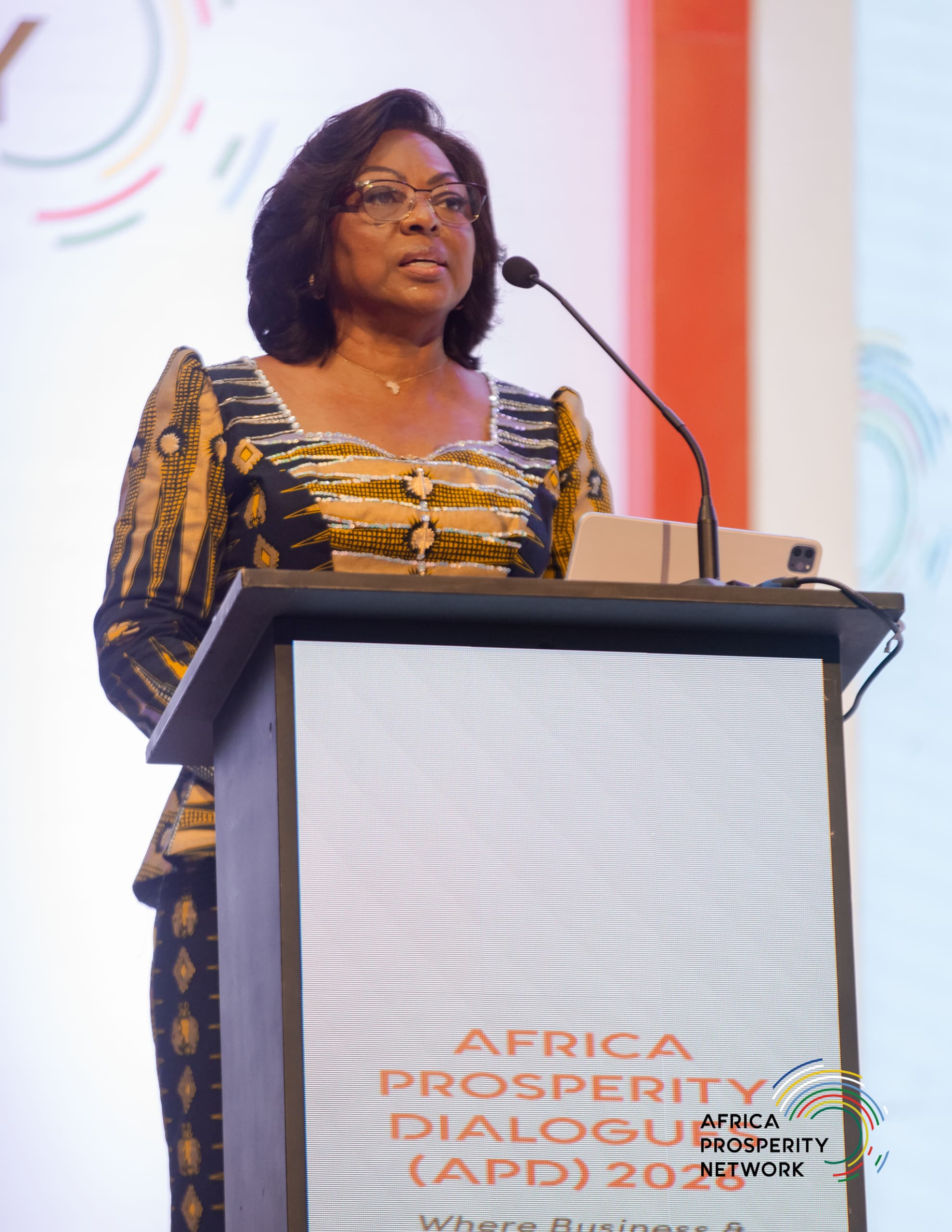
She delivered these remarks at the Presidential & Business Leaders’ Dialogue, held on Day Three of the 2026 Africa Prosperity Dialogues (APD). The dialogue, held under the theme “Empowering SMEs, Women & Youth in Africa’s Single Market: Innovate. Collaborate. Trade,” took place at the Accra International Conference Centre (AICC) on Friday, 6th February, 2026.
Ambassador Amma Twum, speaking on day three (the Presidential & Business Leaders’ Dialogue), described free movement as the political and practical foundation of continental integration, inclusive growth, and shared prosperity.
Time for Action
Professor P. L. O. Lumumba, lawyer and former Director of the Kenya Anti-Corruption Commission, in a powerful address, called for African leaders and citizens to move beyond symbolic agreements and implement the continent’s long-standing vision for unity and a borderless Africa.
He shared his thoughts during the launch of the “Make Africa Borderless Now” Movement, as part of the 2026 Africa Prosperity Dialogues (APD).
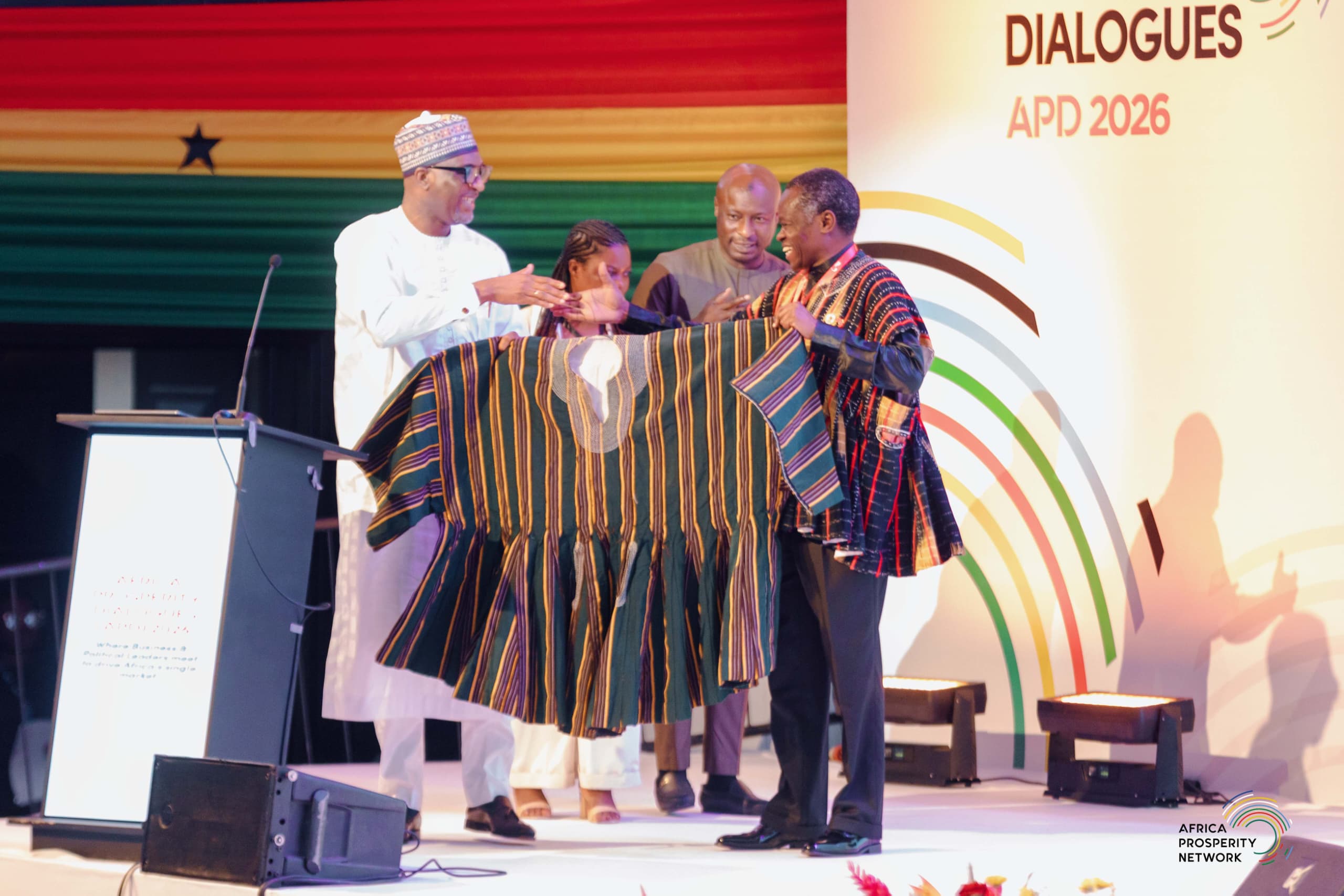
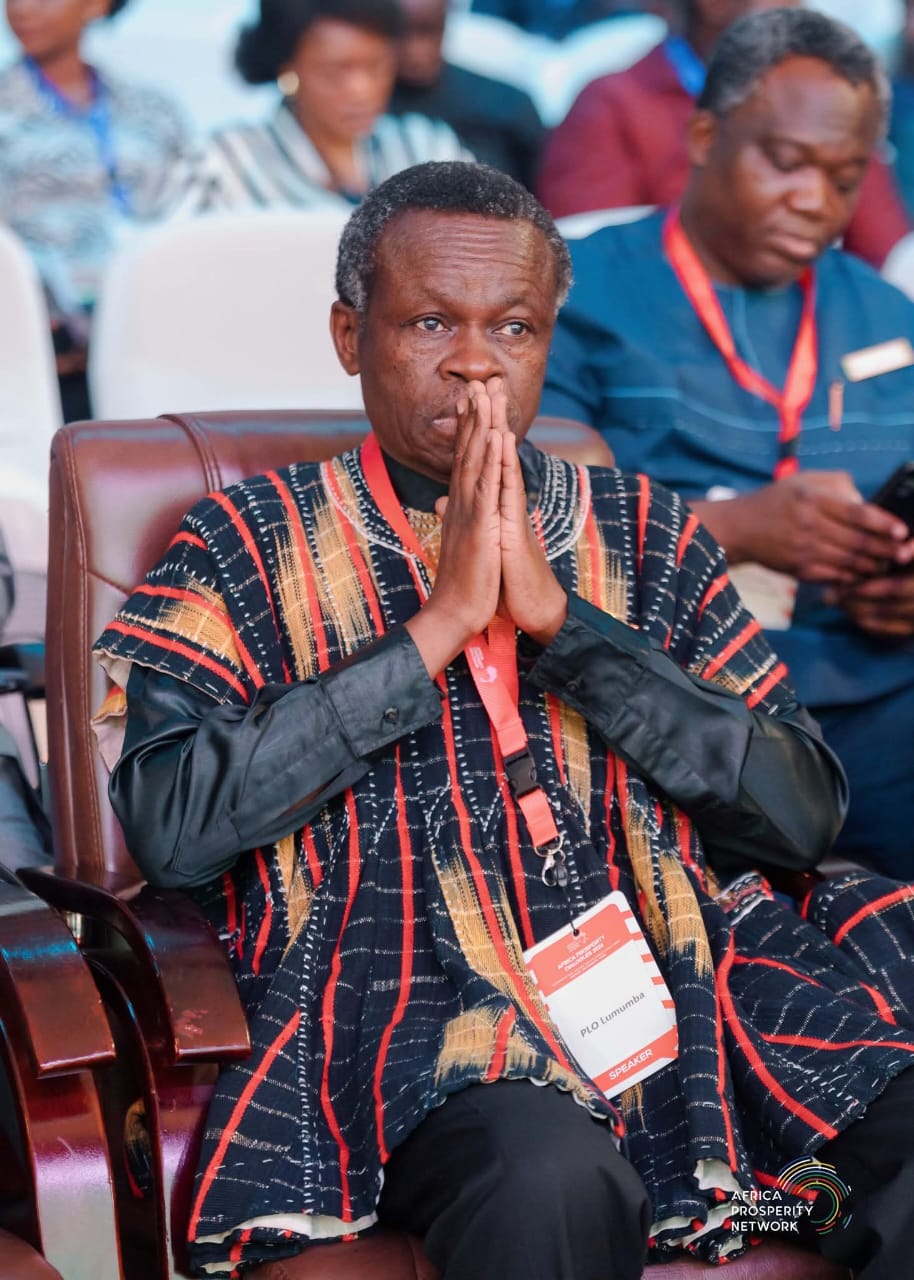
Professor Lumumba commended Gabby Asare Otchere-Darko, founder and executive chairman of the Africa Prosperity Network (APN), and Dr. Nkosazana Dlamini-Zuma, the APN Advisory Board Chair, for establishing the platform and organizing the conference.
Reflecting on the continent’s history, Lumumba highlighted the enduring relevance of Kwame Nkrumah’s vision for a united Africa. He recalled how, shortly after Ghana’s independence in 1957, Nkrumah convened regional meetings promoting a borderless continent, a vision that remains largely unrealized decades later.
“Africa left Addis Ababa weak and disunited,” Lumumba said, pointing out the continued divisions into Anglophone, Francophone, Lusophone, and Arabophone blocs.
Professor Lumumba stressed that Africa’s challenges—conflicts in Sudan, the Democratic Republic of Congo, and the Sahel—cannot be ignored in discussions about a borderless continent. He criticized African reliance on foreign powers for solutions, highlighting the urgent need for self-reliance, innovation, and youth empowerment.
Comments