
The Chamber of Agribusiness Ghana (CAG) has called on the government to take swift policy action to address what it describes as a worsening crisis in the country’s grains market.
According to the Chamber, more than 1.2 million metric tonnes of rice, maize, and soya beans are currently stuck in warehouses and on farms due to market distortions and pricing challenges.
In a statement, the CAG warned that the situation threatens the livelihoods of farmers and processors and could cripple parts of the agricultural value chain if immediate steps are not taken.
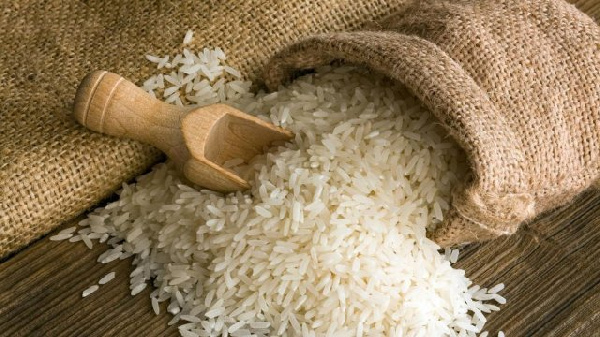
To help ease the pressure, the Chamber proposed a three-month moratorium on rice imports to allow the clearance of unsold local stocks.
While acknowledging that imported rice helps to meet national demand, the Chamber noted that large volumes of locally produced rice remain unsold. It attributed this to cheaper imports and the influx of substandard rice through unapproved routes, which continue to undermine local production.
“We urgently call for an immediate three-month ban on rice importation to clear existing local stockpiles and provide relief to farmers and millers,” the Chamber said.
The CAG also urged government to repeal the Export and Import (Restriction on Exportation of Soya Beans) Regulations, 2020 (L.I. 2432), arguing that the policy has depressed farm-gate prices and created excess stockpiles in warehouses, discouraging further production.
Additionally, the Chamber called for a coordinated national audit and monitoring system involving the Ministry of Trade and Industry, Ghana Revenue Authority (GRA), Ghana Standards Authority (GSA), Food and Drugs Authority (FDA), and national security agencies to verify tax compliance and remove smuggled rice from the market.
Beyond emergency measures, the CAG proposed the creation of a Strategic Grain Reserve Procurement Programme to empower the National Food Buffer Stock Company to purchase surplus grains directly from farmers.
Such a programme, it said, would help stabilise prices, support farmers, and ensure a steady supply of grains to the poultry, livestock, and food processing sectors.
“We must safeguard the investments of our local farmers and agribusinesses to build a food-secure and economically resilient Ghana,” the Chamber emphasised.
Comments