
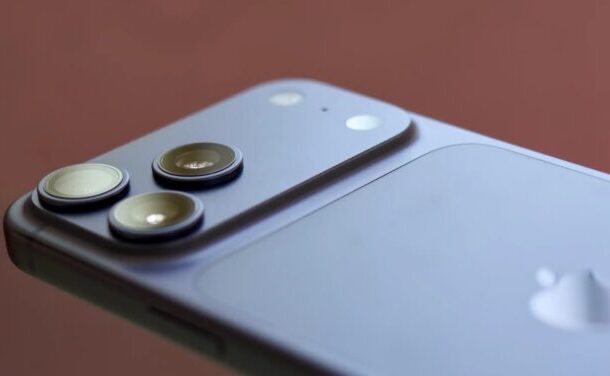
Apple is ready to ‘break’ its most sacred rule with the iPhone 18, as reports suggest a radical screen redesign that could shift the selfie camera and redefine the Dynamic Island.
A Subtle Shift That Could Redefine the iPhone
Apple is ready to ‘break’ its most sacred rule with the iPhone 18, and if the reports are accurate, the change may not be about processing power or photography, but about where users look every time they unlock their phones. For nearly a decade, Apple has built the iPhone’s visual identity around symmetry — a carefully balanced screen where cameras, sensors and interface elements sit neatly at the centre.
Now, that long-standing design philosophy may be about to change.
A Camera Move That Challenges Apple Tradition
According to industry reports, the iPhone 18 Pro could introduce a striking adjustment: the front-facing selfie camera may be relocated to the top left corner of the display. This would replace its familiar central position, currently shared with Face ID sensors and the clock.
On the surface, the move appears minor. In practice, it represents a significant departure from Apple’s obsession with visual balance. Since the removal of the physical home button, the company has consistently aligned core elements — from the notch to the Dynamic Island — around the centre of the screen.
Shifting the camera to the left would mark the first time Apple has deliberately embraced asymmetry in such a visible way.
The End of the Notch — and a New Role for Face ID
The proposed redesign is linked to another long-anticipated change: Face ID technology hidden entirely beneath the display. If Apple succeeds in placing its facial recognition sensors under the screen, the need for a central cut-out effectively disappears.
That development raises an obvious question — what happens to the Dynamic Island?
Originally introduced as a clever reimagining of the notch, the Dynamic Island blends hardware and software by turning a physical limitation into an interactive feature. If Face ID no longer requires visible space, the very reason for the Island’s existence seems to fade.
Yet reports suggest Apple has no intention of abandoning it.
iPhone 18 and the Future of the Dynamic Island
Instead of removing the Dynamic Island, Apple is reportedly planning to relocate it. Much like the selfie camera, the Island would originate from the left side of the screen rather than the centre.
To avoid a lopsided appearance, the Dynamic Island is expected to stretch across the display when active, preserving a sense of visual harmony while quietly breaking with tradition. It is described by analysts as a classic Apple compromise — a bold change softened by thoughtful animation and design.
If true, this would make the iPhone 18 the first model to feature a Dynamic Island that is no longer anchored to the middle of the screen.
Will Users Notice — or Even Care?
The question many iPhone users will ask is whether the change will feel disruptive. History suggests that initial discomfort is likely, but short-lived. Apple’s past design shifts — from the removal of the headphone jack to the introduction of the notch — were controversial at first, yet quickly became normal.
Design experts argue that user adaptation happens faster than expected, especially when changes are introduced gradually and paired with practical benefits, such as increased screen space or improved functionality.
A Quiet but Defining Redesign
As Apple is ready to ‘break’ its most sacred rule with the iPhone 18, the reported redesign reflects the company’s evolving priorities. Rather than clinging to symmetry for its own sake, Apple appears willing to reshape its interface to accommodate new technologies.
If these changes come to pass, the iPhone 18 may not look radically different at first glance — but it could signal one of the most meaningful shifts in Apple’s design philosophy in years.
Comments