
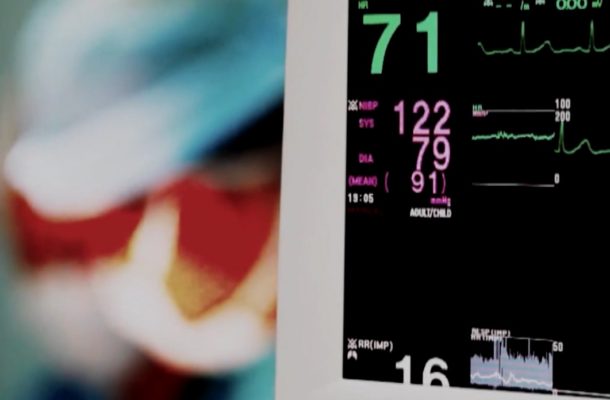
Artificial intelligence is set to transform cardiac care by providing personalized diagnosis and treatment for patients.
Learn how AI algorithms analyze vast amounts of data to identify specific heart problems and offer tailored solutions.
Introduction:
In a groundbreaking development, artificial intelligence (AI) has emerged as a game-changer in the field of cardiac care.
By harnessing the power of advanced algorithms, AI is revolutionizing the way heart problems are diagnosed and treated.
Unlike a one-size-fits-all approach, AI enables personalized solutions that take into account the unique factors contributing to each patient's health issues.
Recent research conducted at the esteemed University College of London has provided compelling evidence of the tremendous potential AI holds in revolutionizing the future of cardiac care.
Unveiling a Detailed Framing of Patients:
Utilizing powerful algorithms, AI meticulously creates a comprehensive profile of each patient, enabling a deep understanding of their cardiac health.
This analysis involves examining vast amounts of data collected from an extensive cohort of 300,000 individuals monitored over a remarkable span of 30 years.
By processing this wealth of information, the AI program accurately identifies specific cardiac problems and offers precise instructions for the most suitable treatment.
Unprecedented Diagnostic Precision:
The research conducted at the University College of London, driven by AI, has yielded extraordinary insights into the complex nature of heart attacks.
Through meticulous examination of the collected data, AI algorithms have successfully pinpointed not only the diagnoses but also the underlying causes contributing to heart ailments.
Impressively, the AI system can even identify individuals who may be prone to heart problems based on their comprehensive health records.
This breakthrough holds immense promise for early intervention and preventive measures.
Pioneering Perspectives for Future Care:
The significance of this research work cannot be overstated, as it paves the way for innovative approaches to curing and treating cardiovascular diseases.
The personalized diagnosis and treatment enabled by AI herald a new era in cardiac care, fostering tailored interventions that address individual needs.
By leveraging AI's capabilities, medical professionals can unlock a deeper understanding of cardiac conditions and optimize treatment plans for enhanced patient outcomes.
Harnessing AI's Potential:
With AI's integration into cardiac care, healthcare providers stand to benefit from its immense potential.
By leveraging AI algorithms, medical experts can offer patients precise and data-driven recommendations, reducing the likelihood of misdiagnosis or ineffective treatments.
AI's ability to analyze complex datasets swiftly and accurately empowers healthcare professionals, augmenting their expertise and ensuring superior patient care.
Future Prospects and Implications:
As AI continues to advance, the potential for further breakthroughs in cardiac care expands exponentially.
The integration of AI with cutting-edge technologies, such as wearable devices and remote monitoring systems, holds immense promise.
These advancements could enable real-time monitoring of patients' cardiac health, allowing for early detection of abnormalities and prompt interventions.
Moreover, AI-powered systems have the potential to continuously learn and adapt, further refining diagnostic and treatment strategies for better patient outcomes.
Conclusion:
Artificial intelligence is poised to transform cardiac care, offering personalized diagnosis and treatment for patients with heart problems.
The research conducted at the University College of London demonstrates the incredible potential of AI algorithms in identifying specific cardiac issues and providing tailored solutions.
As this field continues to evolve, healthcare professionals and patients alike can look forward to an era of improved cardiac care, empowered by the capabilities of artificial intelligence.
Comments