
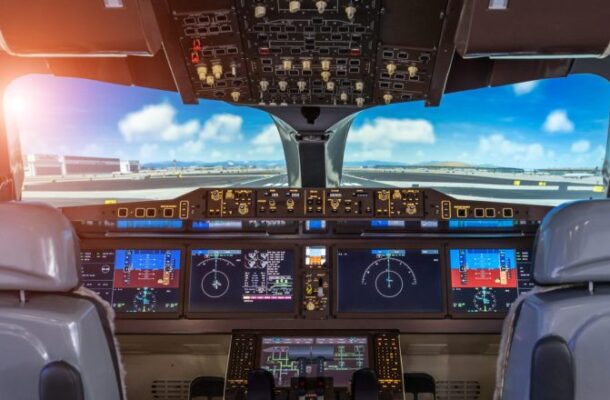
Emirates airline introduces Artificial Intelligence (AI) to forecast and reduce flight turbulence, enhancing passenger safety and comfort as climate change intensifies global air instability.
Artificial Intelligence in Flights: A New Era of Safer Skies
In a major technological breakthrough, Emirates airline has begun integrating Artificial Intelligence (AI) into its flight operations to predict and avoid turbulence with greater precision. The system aims to tackle one of aviation’s most unpredictable challenges—mid-air turbulence—which is becoming more frequent and intense due to climate change.
Turbulence, often invisible on radar and occurring without warning, has long been a concern for pilots and passengers alike. With AI-driven predictive tools, Emirates hopes to enhance flight safety and passenger comfort while reducing the operational costs associated with turbulence-related wear and tear.
Climate Change and Rising Air Turbulence
A recent study from the University of Reading in the United Kingdom revealed that the skies have grown 55% more turbulent over the past four decades, particularly across the North Atlantic. Researchers link this sharp rise to global warming, which alters jet streams and destabilizes air currents at cruising altitudes.
This trend not only makes flights less comfortable but also increases maintenance costs and fuel consumption. While fatalities due to turbulence remain rare, injuries among passengers and crew, as well as structural stress on aircraft, are becoming more common.
Weather specialist Mark Prosser highlighted that turbulence costs the airline industry an estimated €465 million annually in the United States alone. He emphasized the urgent need for innovative solutions to manage the growing threat.
Emirates’ AI Solution: Real-Time Data for Real-World Safety
In response to these challenges, Emirates is employing Artificial Intelligence to analyze vast amounts of real-time flight and weather data. The AI system can predict turbulent zones along a flight path before the aircraft reaches them, allowing pilots to adjust altitude or route to avoid unstable air pockets.
By using AI, Emirates aims to minimize flight disruptions, reduce fuel waste, and improve overall safety standards. The system also promises smoother journeys for passengers—an important step in maintaining confidence in long-haul air travel.
The Future of AI in Aviation
Experts believe Emirates’ move could set a global precedent. As climate change continues to reshape air travel conditions, AI technology may become an essential tool in flight planning and safety management.
While the system is still being refined, Emirates remains optimistic that Artificial Intelligence in flights will soon redefine how airlines predict, prepare for, and ultimately prevent turbulence-related risks.
In the words of one aviation analyst, “AI won’t eliminate turbulence, but it can help us see it coming—before it sees us.”
In summary:
As climate change intensifies global turbulence, Emirates airline’s use of Artificial Intelligence marks a bold step toward safer, smarter, and more sustainable air travel.
Comments