Beware of this dangerous bacteria on your cell phones as scientists warn that Pseudomonas aeruginosa, a highly resistant germ, can survive on smartphones and pose health risks. Beware of this dangerous bacteria on your cell phones! It is a warning that may sound dramatic, but scientists say it reflects a growing public health concern. Mobile phones, now constant companions in daily life, are increasingly being identified as breeding grounds for harmful bacteria — including one of the most aggressive and antibiotic-resistant pathogens known to medicine.
Researchers warn that while smartphones connect people to the digital world, they may also expose users to microscopic dangers that are largely invisible, but potentially serious. At the centre of concern is Pseudomonas aeruginosa, a highly adaptable bacterium that frequently tops the list of microbes found on mobile phones. Experts explain that its success lies in its ability to survive with minimal nutrients, allowing it to flourish on a wide range of surfaces.
From hospital equipment and sinks to door handles and smartphone screens, Pseudomonas aeruginosa can persist in environments where many other bacteria cannot. Mobile phones, which are touched repeatedly throughout the day and rarely cleaned properly, provide an ideal surface for its survival.
Scientists note that the warmth generated by phones, combined with frequent contact with hands and faces, further increases the likelihood of bacterial transfer. Health specialists are particularly concerned because Pseudomonas aeruginosa is not just common — it is also notoriously difficult to treat. The bacterium is among the most resistant to antibiotics, meaning infections can be harder to control once they occur.
According to medical experts, Pseudomonas aeruginosa can cause a range of serious infections, particularly in people with weakened immune systems. These include bloodstream infections, pneumonia affecting the lungs, urinary tract infections, and complications following surgery.
While healthy individuals may not develop severe illness, hospitals and healthcare settings remain especially vulnerable, as the bacterium can spread easily through contact with contaminated surfaces — including personal devices brought into clinical environments. The issue highlights broader questions about hygiene in the digital age. Studies have repeatedly shown that mobile phones often carry more bacteria than many household surfaces, including toilet seats and kitchen counters.
Unlike hands, which are washed regularly, phones are often overlooked in daily cleaning routines. Yet they are frequently placed on public surfaces, used in bathrooms, and held close to the face during calls.
Microbiologists stress that this constant movement between environments allows bacteria to travel easily from one surface to another, increasing the risk of exposure. Public health experts are careful to stress that awareness, not fear, is the key message. While the presence of bacteria on phones is concerning, simple preventive habits can significantly reduce risk.
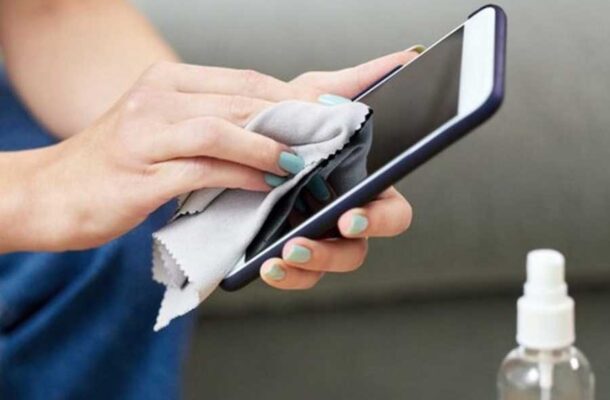
Limiting phone use in high-risk environments, such as hospitals or bathrooms, and maintaining basic device hygiene are widely encouraged. The issue is not the technology itself, researchers say, but how it is used and cared for. As smartphones continue to shape modern life, beware of this dangerous bacteria on your cell phones serves as a timely reminder that convenience can come with hidden costs. Pseudomonas aeruginosa may be invisible to the eye, but its presence on everyday devices highlights the importance of hygiene in an increasingly connected world.
For scientists and health professionals, the message is clear: understanding and managing microbial risks must evolve alongside technology — because what we carry in our pockets may matter more than we think.The Hidden Threat in Your Hand
A Bacterium That Thrives Almost Anywhere
Beware of This Dangerous Bacteria on Your Cell Phones!
Smartphones and Everyday Hygiene
Reducing Risk Without Panic
A Modern Health Reminder

Published
Beware of This Dangerous Bacteria on Your Cell Phones!
Beware of This Dangerous Bacteria on Your Cell Phones!
DISCLAIMER: The Views, Comments, Opinions, Contributions and Statements made by Readers and Contributors on this platform do not necessarily represent the views or policy of Ghana Guardian.
Comments