
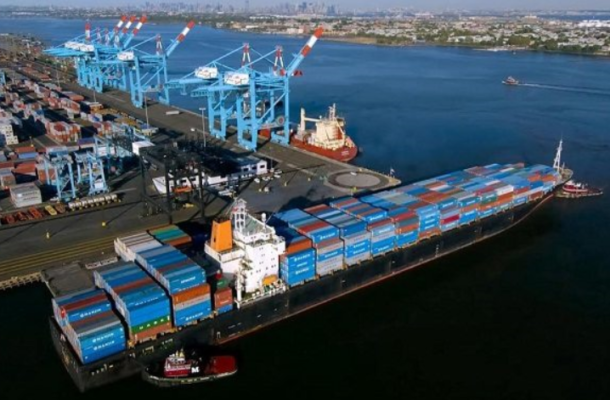
Trade between Ghana and India reached about US$3 billion in 2024 and is projected to double within the next five years, according to India’s High Commissioner to Ghana, Shiri Manish Gupta.
Speaking at the India–Ghana Business Conclave in Accra on Thursday, Mr Gupta said the target could be achieved even earlier, noting that trade volumes had already surpassed the US$3 billion mark by the first half of 2025.
He reaffirmed the Indian government’s commitment to deepening economic cooperation with Ghana and other African countries, particularly in leveraging opportunities under the African Continental Free Trade Area (AfCFTA). He highlighted key areas for collaboration, including renewable energy, green industrialisation, agriculture, and food security.
Mr Gupta said India was ready to support Ghana’s “Reset Ghana” agenda, which focuses on macroeconomic stability, job creation through a 24-hour economy, and strategic infrastructure development under the “Big Push” initiative.
“India’s development cooperation is demand-driven and centred on building local capacity and creating opportunities in Ghana. Our goal is not only to invest, but to empower, working together in an atmosphere of trust and partnership,” he stated.
He cited the recently inaugurated Tema–Mpakadan Railway Line as the largest Indian development cooperation project in Ghana, adding that there remained significant scope for further collaboration as both countries strengthened their economic ties.
According to Mr Gupta, Indian investments in Ghana over the past two decades include nearly US$2 billion in foreign direct investment across more than 900 projects, as well as about US$1 billion through concessional lines of credit and buyers’ credit arrangements at the intergovernmental level.
He encouraged businesses from both countries to explore new growth opportunities in sectors such as agriculture, food processing, skills development, mining, and infrastructure. He also highlighted challenges, including high logistics costs and expensive banking and financial transfers, calling for more efficient systems to support trade and investment.
Mr Gupta stressed the need to de-risk investments, provide effective support for investors, and reduce entry barriers, while expanding banking channels and improving access to finance. He said these measures were critical to harnessing the potential of the youthful populations in India and Africa, particularly in digital and green markets.
He further proposed that India’s Digital Public Infrastructure model could be adapted in Ghana and the sub-region to enhance governance, transparency, and inclusion. He described Ghana as being well-positioned to become a services-sector hub for West Africa, with India ready to assist through skills development, technology sharing, and knowledge transfer.
The High Commissioner also commended Indian businesses for their significant contributions to Ghana’s economy.
The business conclave served as a platform for open dialogue on strengthening trade, investment linkages, and addressing challenges facing enterprises.
Augustus Goosie Tannoh, Presidential Advisor on the 24-Hour Economy and Accelerated Export Development, praised both Ghanaian and Indian businesses for supporting local manufacturing, job creation, and the expansion of the services sector. He said the 24-hour economy programme had secured land, basic infrastructure, and project designs for investor parks nationwide.
Mr Tannoh highlighted the Volta Economic Corridor as a key logistics and industrial development initiative and encouraged Indian companies to invest in production facilities, contract manufacturing, and logistics projects.
Stephane Miezan, President of the Ghana National Chamber of Commerce and Industry (GNCCI), reaffirmed the Chamber’s support for both local and international businesses.
The forum brought together representatives of leading Indian companies, with panellists sharing ideas aimed at boosting growth and improving the business environment.
Comments