
Ghana’s external reserves have recorded a notable increase, with the Bank of Ghana reporting a rise to about $14.5 billion—equivalent to roughly 5.8 months of import cover.
This marks an improvement from the just over $13 billion recorded at the previous Monetary Policy Committee (MPC) meeting in January 2026, pointing to stronger external buffers for the economy.
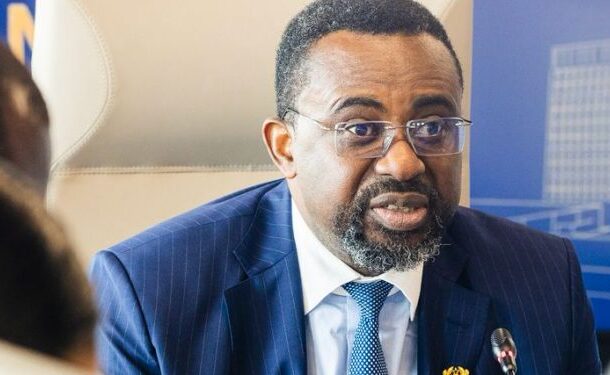
Governor Johnson Pandit Asiama, speaking at the opening of the 129th MPC meeting on Monday, March 16, said the latest figures reflect broader macroeconomic gains, with the economy performing better than earlier projections.
He noted that headline inflation dropped to 3.3 percent in February, marking the 14th straight monthly decline and falling below the central bank’s medium-term target range.
Fiscal indicators have also shown improvement, with a primary surplus of 2.6 percent of GDP recorded at the end of 2025. At the same time, the real sector is gaining traction, supported by increased business and consumer confidence, alongside a gradual recovery in credit.
According to the Governor, these developments signal a faster-than-expected stabilisation of the economy, driven largely by sustained policy discipline.
He added that the stronger reserve position is key to maintaining investor confidence and strengthening Ghana’s ability to withstand external shocks.
Dr. Asiama further revealed that building up reserves will remain a central policy focus, especially as government rolls out the Ghana Accelerated National Reserve Accumulation Programme (GANRAP), aimed at significantly boosting external buffers over the medium term.
The initiative targets increasing reserves to the equivalent of 50 months of import cover by 2028, compared to the current 5.8 months.
However, he cautioned that such an ambitious programme requires careful coordination, noting that reserve accumulation of this scale has implications for liquidity management, the central bank’s balance sheet, and overall monetary policy operations.
Despite the positive outlook, the MPC stressed that its deliberations will go beyond acknowledging improvements, focusing instead on how to sustain the gains amid growing global uncertainties.
Dr. Asiama highlighted that rising tensions in the Middle East have disrupted key energy and shipping routes, contributing to volatility in global oil markets and raising the risk of imported inflation.
While higher gold prices could offer some support to Ghana’s trade balance, he warned that external risks remain tilted toward inflation, making them a key factor in the committee’s policy considerations.
The MPC is also expected to assess the implementation of GANRAP and review how effectively monetary policy is being transmitted, particularly in light of weak credit growth.
He emphasised the need for a careful balance between consolidating recent economic gains and responding to emerging risks.
“The issue before us is not whether conditions have improved, but how we respond when the drivers of that improvement begin to face pressure,” he stated.
The outcome of the 129th MPC meeting is expected to provide important signals on the central bank’s next policy steps as it navigates the path between domestic recovery and external economic challenges.
Comments