
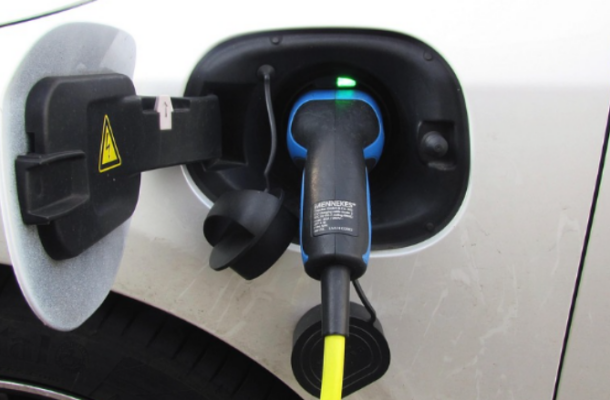
Can electric cars be charged using generators during power outages? Experts weigh in on the practicality, costs, and environmental impact of using emergency power to fuel EVs off-grid.
Off the Grid: Can Electric Cars Be Charged Through Generators?
As Europe continues to expand its electric vehicle (EV) infrastructure, recent events have sparked urgent questions about the resilience of the grid. The widespread power outage that struck large parts of Spain and Portugal on April 28 served as a stark reminder of how fragile energy systems can be—and with them, the growing dependency on electric mobility.
One of the immediate concerns that emerged: Can electric cars be charged through generators in the event of a blackout? The answer, it seems, is yes—but with significant caveats.
Generators and EVs: A Complex Relationship
According to Ralf Petri of Germany’s Electrotechnical Association (VDE), emergency generators can charge electric vehicles, but they are far from ideal solutions. Speaking to Auto Bild, Petri explained that most common generators offer a peak output of around 3.6 kilowatts, with a sustainable average of closer to 2 kilowatts.
To put that into perspective, charging a high-capacity battery—such as the 118 kWh unit in a Mercedes EQS—could take over 59 hours using a standard generator. That’s more than two full days of continuous operation for a single full charge.
The Cost and Carbon Footprint of Generator Charging
While a generator might technically keep an EV moving, it comes at a steep environmental and financial cost. Most portable generators lack catalytic converters and burn through fuel at a high rate—approximately 1.5 litres of petrol per kilowatt hour generated.
This translates to about 30 litres of fuel (roughly €43) to deliver just 100 kilometres of range in an average electric vehicle consuming 20 kWh per 100 km. In practice, a 30-minute charge from a small generator adds a mere 5 km of range. Even after five hours, the EV would only gain enough energy to drive around 50 km.
The irony is hard to ignore: burning petrol to charge a zero-emission vehicle defeats the purpose of green mobility—especially when emissions from generator use exceed those of traditional fossil-fuelled cars.
Bigger Solutions: What the U.S. Is Doing Differently
In the United States, the response to EV charging dilemmas during emergencies has taken a more robust form. Mobile charging services now assist stranded drivers with trucks outfitted with larger generators delivering at least 11 kW of power, matching the capacity of residential wall-mounted chargers. These solutions drastically reduce charging times and offer a more realistic path forward for off-grid EV support.
Still, such systems remain rare in Europe, where infrastructure has not yet scaled to meet the needs of mass EV adoption in emergency scenarios.
Charging Electric Cars Through Generators—A Temporary Fix, Not a Long-Term Solution
So, can electric cars be charged through generators? Technically, yes—but the process is slow, inefficient, and environmentally questionable. While emergency generators may provide short-term relief during outages, they are not a viable long-term strategy for sustainable electric mobility.
As Europe races toward a cleaner automotive future, energy resilience must go hand-in-hand with infrastructure development. Without robust backup systems or grid independence, EV owners may find themselves stuck in the dark—both literally and figuratively.
Comments