
Confusion rocks NDC in Sekondi-Takoradi over alleged marginalization of MPs
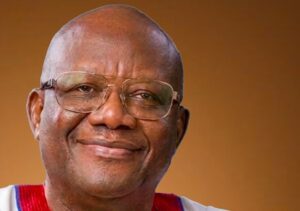
Fresh internal tensions appear to be emerging within the governing National Democratic Congress (NDC) in the Sekondi-Takoradi Metropolis following growing complaints from some party members over the leadership style of the Metropolitan Chief Executive (MCE) for the Sekondi-Takoradi Metropolitan Assembly Frederick Faustinus Faidoo and its alleged impact on the political relevance of sitting Members of Parliament in the area.
The concerns, raised publicly by party activist and communicator Elias Abdul-Rahman, popularly known within party circles as “EAR,” suggest that sections of the party grassroots are becoming increasingly uncomfortable with what they describe as the sidelining of elected MPs in the communication and execution of government development projects within the metropolis.
According to the concerns raised, the issue specifically affects the MPs for the Sekondi and Essikado-Ketan constituencies, who were both elected on the ticket of the NDC during the fiercely contested 2024 general elections.
The NDC’s victories in Sekondi and Essikado-Ketan were widely celebrated within the party at the time because both constituencies were considered strategically important political gains in the Western Region.
Party supporters maintain that those victories came after years of intensive grassroots mobilisation, campaign sacrifices and sustained efforts by party executives, parliamentary candidates and supporters.
However, while the NDC succeeded in capturing the Sekondi and Essikado-Ketan parliamentary seats, the party failed to win the Takoradi constituency, which some party members had earlier considered one of the more achievable seats for the NDC within the metropolis.
Following the elections, the NDC’s unsuccessful parliamentary candidate for Takoradi, Faidoo was later appointed as the Metropolitan Chief Executive for STMA.
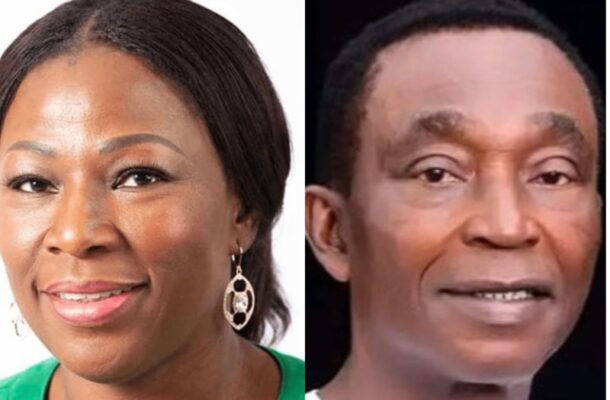
According to party insiders, the appointment reportedly received the backing and cooperation of the MPs for Sekondi Nyameke Blay Armah and Essikado-Ketan, Dr Grace Ayensu-Danquah in the spirit of party unity and long-term political strategy aimed at strengthening the NDC’s future chances in Takoradi.

But months into the administration, concerns are now being raised that the MCE is gradually positioning himself as the central political face of development within the metropolis while allegedly overshadowing the roles played by elected MPs.

Critics within the party claim the MCE has increasingly taken public ownership of major road projects, school infrastructure and other development initiatives, some of which they argue were either initiated, lobbied for or facilitated through parliamentary interventions and central government collaboration.
According to them, repeated public narratives portraying the MCE as solely “transforming roads” and “building schools” risk creating the impression among constituents that the MPs themselves are inactive or politically irrelevant, and therefore undermining the future chances.
The concerns further extend to individuals said to be closely associated with the MCE, who are accused of publicly promoting narratives suggesting that the MPs have contributed little or nothing to development within their constituencies.
Some party members fear that such messaging could damage the political standing of the MPs ahead of future elections by weakening their visibility and connection with constituents.
According to the concerns raised, the issue is not necessarily about personal recognition but rather political accountability and electoral survival.
Supporters of the MPs argue that when government projects executed within constituencies are publicly monopolised by unelected appointees, elected parliamentary representatives unfairly lose opportunities to demonstrate their contributions to voters.
Additional concerns have also been raised over what some party members describe as inadequate consultation between the Assembly and MPs regarding constituency-based projects and programmes.
Critics argue that failure to maintain proper coordination risks creating internal friction and weakening party cohesion within the metropolis.
The statement therefore called for intervention from the national leadership of the NDC, including President John Dramani Mahama, Chief of Staff Julius Debrah, NDC National Chairman Johnson Asiedu Nketiah and the Ministry of Local













Comments (0)