The Centre for Policy Scrutiny (CPS) has warned that the government’s planned 141% increase in capital spending for 2026 could falter unless revenue collection improves significantly.
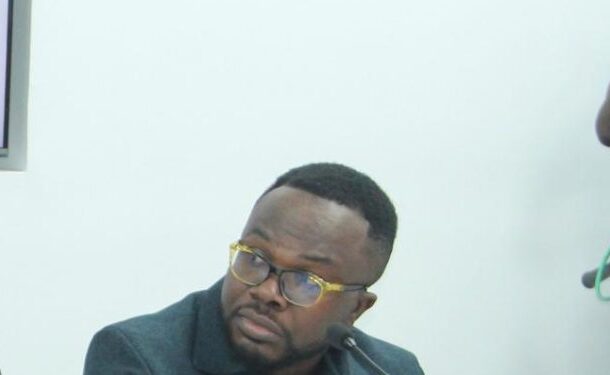
Dr. Prince Adjei, a policy fellow at CPS, emphasised that the success of the 2026 Budget hinges on addressing long-standing leakages in the tax system. He argued that the ambitious expenditure plan will only be credible if the Ghana Revenue Authority (GRA) is adequately resourced to implement new revenue measures.
“Make the 2026 revenue measures more credible by providing sufficient resources to the GRA to execute the outlined initiatives, including the deployment of technology to plug revenue gaps,” Dr. Adjei said. He stressed that enforcement must be strengthened in poorly assessed or high-leakage areas of the revenue system, particularly customs.
Dr. Adjei also cautioned that the planned spending surge must not compromise efficiency. “It is vital to undertake rigorous programme and project planning, alongside transparent and cost-effective procurement,” he noted, adding that continuous evaluation of government programmes is essential to ensure they achieve intended outcomes.
The CPS fellow further called for growth-supportive reforms, encouraging the government to adopt innovative approaches that balance stability with economic growth while promoting private-sector investment to complement public spending.
Highlighting the importance of the services sector, which continues to dominate the economy, Dr. Adjei urged stronger investments in human capital, noting that workers will need specialised skills to meet the demands of the expanding sector.
For 2026, total government expenditure is projected at GH¢302.5 billion, equivalent to 18.9% of GDP, while total revenue and grants are expected to reach GH¢268.1 billion.
The Centre recommended that the government prioritise education and skills development to align the workforce with industry needs and support sustainable economic growth.
Comments