
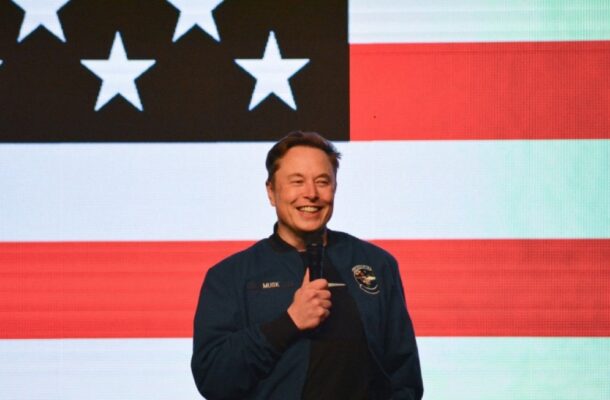
Elon Musk ends his role in the U.S. government and steps down as head of the Department of Government Efficiency (DOGE), signalling a shift in political alignment and institutional leadership.
Musk Ends Government Chapter, Exits DOGE Leadership
Tech mogul Elon Musk has officially announced his departure from the U.S. government, ending his leadership at the Department of Government Efficiency (DOGE), an entity established during Donald Trump’s presidency to streamline federal spending.
Speaking publicly on Wednesday, Musk thanked President Trump for the opportunity to lead the department, while expressing confidence in DOGE’s future. “DOGE will only grow stronger as its mission becomes embedded in government institutions,” he remarked, affirming that the agency's cost-cutting philosophy had taken firm root.
From Visionary Leader to Institutional Legacy
Musk’s tenure at DOGE marked a period of aggressive federal downsizing. Since its inception, the department launched sweeping austerity reforms, from significant workforce reductions to the outright closure of several federal entities. Key government arms affected by DOGE’s budget-slashing strategy included USAID, the Department of Education, state-sponsored media organisations, and national park programs.
DOGE quickly became synonymous with fiscal conservatism and controversial reform. Musk, known for his outspoken views and unconventional leadership style, became the face of the initiative, championing what he described as a necessary overhaul of bloated bureaucracy.
Despite early support, reports of growing tension between Musk and the Trump administration surfaced in recent months. Political insiders pointed to diverging priorities and mounting criticism over Musk’s highly publicised political affiliations and vocal pro-Trump positions.
Tesla Brand Faces Fallout
At the same time, Musk’s personal political advocacy appeared to cast a shadow over his flagship business, Tesla. Analysts and brand experts have observed a noticeable dip in sales, with consumers expressing unease over the company’s alignment with partisan politics. Musk’s government involvement, once perceived as visionary, gradually became a liability as public perception shifted.
His decision to step down from DOGE is being interpreted by some as a strategic retreat aimed at re-focusing on his business ventures and mending public trust. Still, the billionaire insists that the agency will continue to thrive in his absence.
DOGE’s Future Beyond Musk
Elon Musk’s exit marks the end of a polarising chapter for DOGE, but the department’s future remains active. Supporters of the initiative maintain that the groundwork laid under Musk will ensure its endurance across political cycles. With its aggressive mandate now institutionalised, DOGE is set to remain a fixture in Washington’s fiscal framework, albeit under new leadership.
As Musk turns the page, his time in government will likely be remembered as one of the most unconventional, yet impactful, experiments in public sector reform. Whether DOGE’s legacy strengthens or fractures in the coming years will depend on how its next chapter is written — and by whom.
Comments