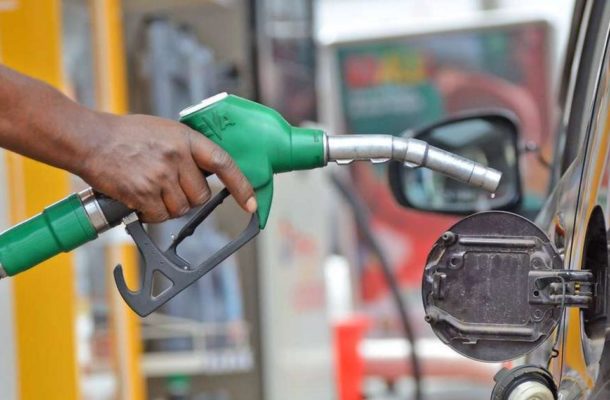
Chief Executive Officer of Star Oil Ghana, Philip Tieku, has revealed that the company could have sold petrol at GH¢9.50 per litre during off-peak hours between 10:00 p.m. and 4:00 a.m. to support night-time economic activity, but is prevented from doing so by the National Petroleum Authority’s (NPA) price floor policyMr Tieku criticised the policy, which sets a minimum price below which fuel cannot be sold, arguing that it undermines competition within Ghana’s deregulated downstream petroleum market.
In a Facebook post, he expressed frustration over the restriction, stating: “Imagine Star Oil pricing petrol at GH¢9.50 per litre after 10 p.m. till 4 a.m. to support the night-time economy when demand is lower… but that will be below the NPA floor price.”
Regulators, however, maintain that the price floor is necessary to prevent predatory pricing and to protect smaller oil marketing companies (OMCs) from being pushed out of the market.
Although Ghana’s downstream petroleum sector was fully deregulated in July 2015, the price floor mechanism was later introduced to promote fair competition, ensure supply stability and safeguard consumer welfare.
Meanwhile, fuel prices have started to decline across the country following favourable market conditions.
On January 16, 2026, several oil marketing companies reduced pump prices after industry projections indicated a drop of more than three per cent in petroleum product costs within the current pricing window.
GOIL, the second-largest player in the sector, reduced petrol prices from GH¢10.99 to GH¢9.99 per litre in the early hours of the day.
Market leader Star Oil followed with its own reductions, announcing petrol prices at GH¢9.97 per litre and diesel at GH¢10.97 per litre.
The latest price cuts form part of Star Oil’s ongoing nationwide discount strategy, aimed at easing the burden on consumers while maintaining competitiveness in Ghana’s dynamic fuel market.
Comments