
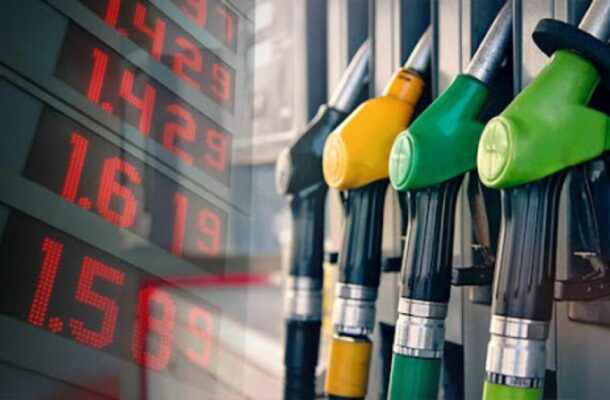
Ghana could face a sharp rise in fuel prices, with projections indicating pump prices may climb to between GH¢17 and GH¢18 per litre by the first pricing window of April, the Chamber of Petroleum Consumers (COPEC) has warned.
The anticipated increase is linked to escalating geopolitical tensions in the Middle East, which are disrupting global crude oil supply chains and driving volatility in international markets.
Speaking to Citi Business News, COPEC Executive Secretary Duncan Amoah cautioned that the situation could deteriorate further if the instability persists, potentially worsening beyond April. He noted that while the immediate impact on Ghana may be limited, the country could begin to feel more significant supply constraints by May.
According to him, the tensions in the Middle East are already affecting global oil flows, raising the risk of higher prices as supply uncertainties deepen. Although the G7 and the United States have released strategic reserves to stabilise the market in the short term, COPEC believes this measure is not sustainable.
“The G7 and America have decided to release their reserve stocks to stabilise prices, but they won’t be able to continue this indefinitely. We need to be proactive as a country and start building strategic fuel reserves,” Amoah said.
COPEC is therefore urging the government to act swiftly by securing contingency funding to procure and store fuel reserves, which would help cushion the country against potential price shocks in the months ahead.
Amoah emphasised the need for early intervention, warning that delaying action could lead to even higher prices. He suggested that maintaining fuel prices within the GH¢13 to GH¢15 range now would be preferable to allowing them to rise sharply to GH¢17 or GH¢18.
“It is better to sustain Ghana’s fuel prices at around GH¢13 to GH¢15 per litre now, rather than waiting for the situation to worsen. The time to act is now,” he stressed.
COPEC is also calling on key institutions, including the Ministry of Finance and the Bulk Oil Storage and Transport Company (BOST), to prioritise strategic fuel stockpiling as part of efforts to protect the economy from future shocks.
Comments