
Ghanaians could soon face higher fuel prices as global crude oil costs surge following attacks on commercial vessels near the Strait of Hormuz UK Maritime Trade Operations (UKMTO), at least three ships were attacked near the strait. Two vessels were struck by unidentified projectiles, causing fires, while a third vessel reportedly experienced a close-range explosion. All crew members are reported safe.
Iran has issued warnings to vessels against navigating the strait, leading many ships to anchor in nearby waters rather than risk transit. Analysts report that shipping activity at the strait’s entrance has slowed significantly due to security concerns and rising insurance costs.
In early Asian trading on Monday, global oil prices jumped over 10% before easing slightly. By 02:00 GMT, Brent crude was trading 4% higher at $76.16 per barrel, while US-traded oil rose around 4% to $69.67 per barrel.
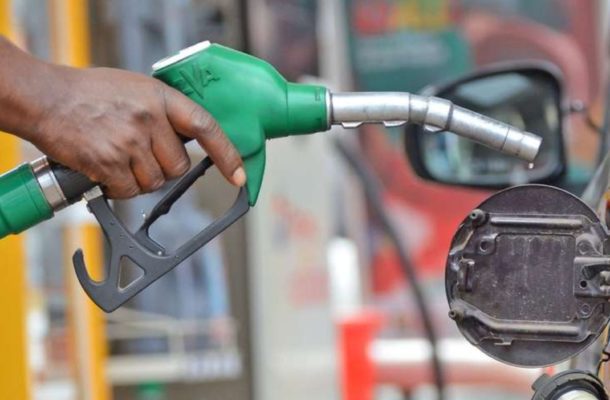
For Ghana, a net importer of refined petroleum products, sustained increases in crude prices could lead to higher pump prices, increased transport fares, and rising costs for food and other commodities.
Energy analysts note that markets have not yet entered full panic mode, as major oil production and transport infrastructure remain intact. However, they caution that if the conflict persists and shipping through the Strait of Hormuz remains restricted, global oil prices could surge beyond $100 per barrel.
In an attempt to stabilise the market, the OPEC+ agreed on Sunday to increase output by 206,000 barrels per day. Some experts, however, question whether this will be sufficient to offset prolonged disruptions.
Meanwhile, Iran’s Islamic Revolutionary Guards Corps (IRGC) claimed that three tankers linked to the UK and US were hit by missiles and set on fire, though neither country has officially confirmed the attacks.
The UKMTO has reported multiple security incidents across the Arabian Gulf and the Gulf of Oman, advising vessels to proceed with caution. Ship-tracking data indicates that more than 150 tankers have anchored in open waters rather than attempt to pass through the strait. Analysts warn that if the waterway remains effectively closed for an extended period, the consequences for global energy markets — and fuel-dependent economies like Ghana — could be severe.
Comments