The Chief Executive Officer of the Chamber of Oil Marketing Companies (COMAC), Riverson Oppong, has dismissed claims that recent fuel price reductions are the result of direct government intervention, insisting instead that the relief has been driven by sacrifices within the petroleum downstream sector.
Speaking on PM Express on Joy News on Wednesday, April 15, 2026, Dr Oppong said the drop in pump prices has not been influenced by any reductions in taxes or levies.
His remarks come in response to assertions from the presidency that government actions are shielding consumers from rising global oil prices, particularly amid ongoing tensions in the Middle East.
Dr Oppong acknowledged that fuel prices have indeed declined, citing a reduction of GH¢0.36 on petrol and GH¢2 on diesel. However, he stressed that these gains are being financed through the operational margins of industry players rather than any fiscal adjustments by the state.
According to him, the current arrangement places significant financial pressure on key institutions and private operators. He warned that agencies such as the National Petroleum Authority (NPA) and the Bulk Oil Storage and Transportation Company (BOST) may be compelled to secure external funding to sustain the price relief.
While conceding that consumers stand to benefit in the short term, he argued that the burden has effectively been shifted onto industry stakeholders.
Dr Oppong further highlighted the strain on oil marketing companies, particularly with discounted diesel, explaining that firms are required to pre-finance fuel purchases and sales while waiting up to six weeks for reimbursement from government.
He revealed that the issue has already been raised with the NPA, with industry players calling for faster payments to ease liquidity constraints.
Illustrating the impact, he noted that a company lifting 10 million litres of fuel monthly could be left carrying a debt of about GH¢603,000—funds that could otherwise support ongoing operations.
In response to the mounting pressure, he said industry players are also engaging the Ghana Revenue Authority (GRA) to seek temporary delays in tax payments as a buffer.
Dr Oppong maintained that the downstream petroleum sector continues to shoulder the consequences of policy decisions, arguing that industry players are frequently left to absorb costs in order to stabilise the market.
Published
Fuel ‘Relief’ comes from industry, not government — COMAC CEO
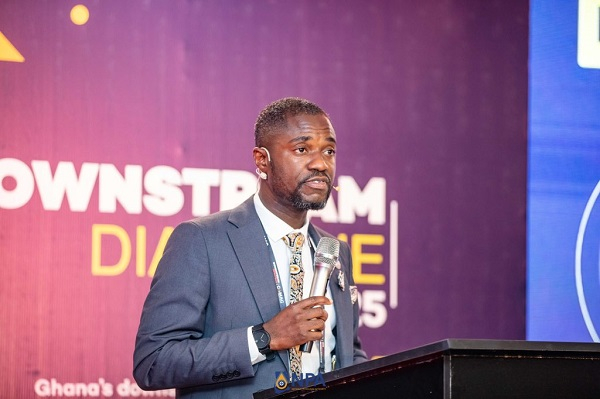
Dr Riverson Oppong is the Chief Executive Officer of COMAC
DISCLAIMER: The Views, Comments, Opinions, Contributions and Statements made by Readers and Contributors on this platform do not necessarily represent the views or policy of Ghana Guardian.
Comments