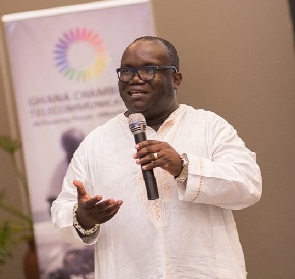
Dr Ken Ashigbey, Chief Executive Officer of the Ghana Chamber of Mines (GCM), has urged the government to engage more extensively with stakeholders on the proposed sliding-scale fiscal policy for the mining sector, scheduled for implementation in 2026.
Dr Ashigbey cautioned that if the policy is enacted in its current form, it could negatively impact the sustainability of the mining industry, particularly gold producers. He stressed the need for government and industry to agree on a fair starting point for the fiscal regime that balances state revenue with the long-term health of the sector.
“The sliding-scale fiscal policy, as currently proposed, could be inimical to the sustainability of the mining industry,” he said, noting that Ghana’s effective average tax rate on mining is already high.
The government has indicated that the policy is designed to adjust mining taxes based on global gold prices, ensuring higher contributions from companies when prices rise and lower obligations when they fall. However, Dr Ashigbey highlighted that, unlike lithium—where prolonged consultations took place—the discussions on gold have been limited.
“There has not been enough engagement on the sliding-scale fiscal policy regarding gold as has been done with lithium,” he explained. “The lithium discussions took a long time, but with gold, the government’s position seems immediate and spans a wide range.”
Dr Ashigbey expressed concern over the cumulative impact of the proposed measures when combined with existing corporate income tax and other fiscal obligations. “Further increases without careful consideration could undermine investment and growth,” he said.
While emphasizing that the industry does not oppose contributing more when gold prices rise, Dr Ashigbey stressed the importance of finding a balanced approach. “We are not saying that as gold prices go up, the industry should not contribute more. Even now, payments are percentage-based, so higher prices already translate into increased revenue for the state,” he noted.
He urged dialogue to identify a “sweet spot” that ensures government revenue while maintaining industry sustainability. “Government should slow down the process, engage thoroughly with all stakeholders, and ensure that everyone understands the policy rationale and objectives,” he added.
Dr Ashigbey also commended the government’s decision to scrap Value Added Tax on exploration activities, calling it “commendable” and beneficial for Ghana.
The GCM CEO concluded by reiterating the importance of sustained engagement between the government and mining industry players. “We want a situation where government secures the resources it needs, mines can invest and grow, jobs are created, and the industry contributes meaningfully without jeopardizing its sustainable development,” he said.
Comments