
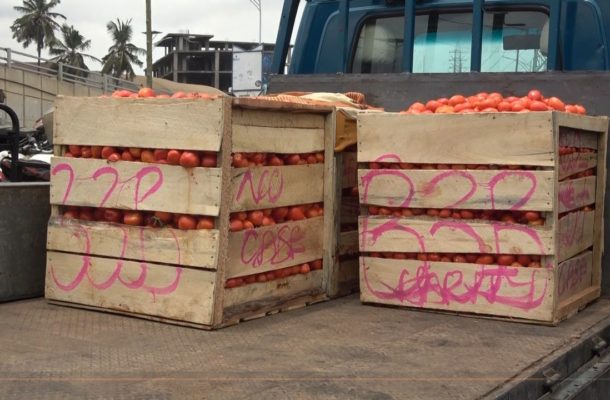
Ghana is bracing for a potential shortage of tomatoes in local markets after the Burkina Faso government indefinitely banned exports of the commodity.
A letter dated March 16, signed by Burkina Faso’s Ministers of Trade and Agriculture, explained that the ban is necessary to supply the country’s national processing units. The issuance of Special Export Authorisations (ASE) has also been suspended.
Operators holding valid fresh tomato export permits have been given two weeks from the date of the communiqué to complete their export procedures. After this period, permits will be considered invalid. The Burkinabé government warned that violators of the directive will face sanctions, and any goods seized will be returned free of charge to local processing plants under the country’s popular shareholding scheme.
The government further called on all stakeholders in the tomato sector, including border control services and security forces, to ensure proper implementation of the ban.
Kumasi Vendors Feeling the Impact
The effect of the export ban is already being felt in Ghana. Vendors at the Racecourse Market in Kumasi have expressed frustration, warning that prices could spike if the situation is not addressed promptly.
Many are urging the Ghanaian government to prioritise the local tomato industry by improving irrigation systems and investing in local processing facilities—longstanding challenges that have left the country heavily dependent on imports from neighbouring Burkina Faso.
Historically, Ghana has relied on cross-border tomato supplies to supplement domestic production, particularly during lean seasons when local harvests are insufficient to meet demand. The sudden and indefinite halt in exports from Burkina Faso is expected to tighten supply, with likely price increases at markets nationwide.
Northern Ghana, which serves as the main corridor for produce trade with Burkina Faso, is expected to experience the shortage most acutely in the short term.
Comments