Ghana transitions from crisis management to recovery phase — Prof. Gyeke-Dako
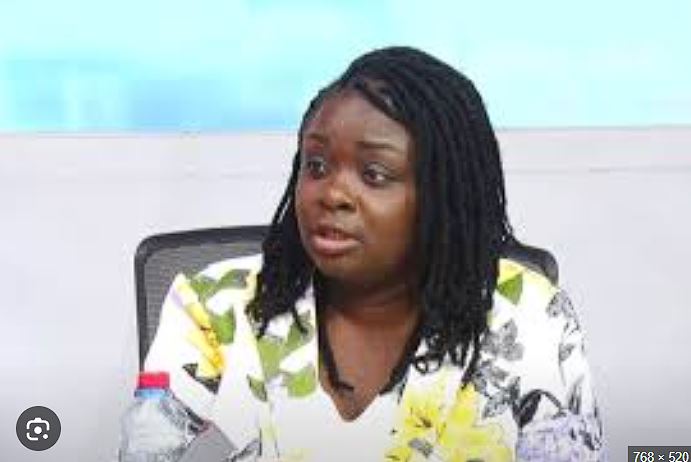
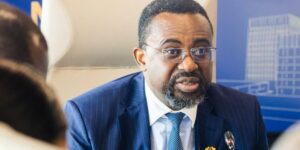
An economist at the University of Ghana Business School (UGBS), Prof. Agyapomaa Gyeke-Dako, has stated that Ghana’s economy is transitioning from crisis management to a recovery phase, citing sustained macroeconomic stability as a key indicator.
She made the observation during a JoyNews roundtable discussion on the theme “Mahama at 16 Months: Do Economic Narratives Match Real-Sector Outcomes?”, where she assessed recent economic developments.
Prof. Gyeke-Dako explained that while macroeconomic stability has largely been achieved, its full impact is yet to be felt at the household and firm level.
“We have moved from managing crisis to a point where we are managing recovery,” she said, noting that the transmission of macroeconomic gains to the real sector is gradual. However, she acknowledged that some firms are beginning to record significant improvements.
She identified exchange rate stability as the key driver of the recovery, describing it as a major turning point for the economy.
“The game changer has been the exchange rate. The stability we are seeing has changed everything,” she noted.
Touching on global developments, she referenced geopolitical tensions, including the Iran-Israel situation, and their potential impact on global trade routes such as the Strait of Hormuz. Despite these risks, she said Ghana has remained relatively resilient due to the stability of its currency.
She further highlighted recent trends in the cedi’s performance, noting a significant appreciation in recent years.
“For the first time since 1994, we are seeing an appreciation in the exchange rate. In 2025, it was about 41%, and in 2026, year-on-year, we are seeing roughly 27%,” she stated.
According to her, these gains have been driven in part by the Bank of Ghana’s gold purchase programme, which has helped build foreign reserves to about six months of import cover, thereby strengthening confidence in the economy.
She added that the improved reserve position has also helped curb speculative pressures, as the central bank is better positioned to intervene in the market.
Prof. Gyeke-Dako noted that exchange rate stability has also contributed to easing inflation.
“The spiral in inflation has gone down. We now have inflation around 3.2%, which is very encouraging because prices are becoming more stable,” she said.
She also acknowledged the role of the Bank of Ghana’s monetary policy interventions, including open market operations, in stabilising the economy, although she pointed out that such measures come at a cost.
In summary, she said the combination of exchange rate stability and declining inflation is creating a more predictable economic environment.
“With exchange rates stable and inflation down to about 3%, there is some certainty in the system. Businesses can plan, and households can also plan. There have been some gains,” she added.



Popular News
No trending posts found.