Growing frustration is mounting among small business owners across Ghana following a sharp increase in electricity tariffs that has pushed operating costs to unprecedented levels.
Traders, hairdressers, barbers, and cold store operators say the situation is threatening the survival of their businesses, as electricity bills have surged by an effective 28 percent by early 2026.
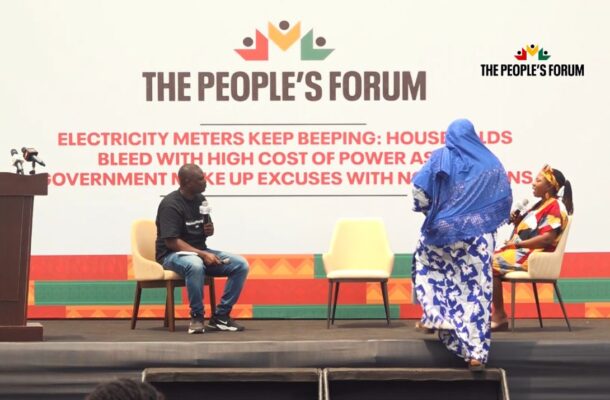
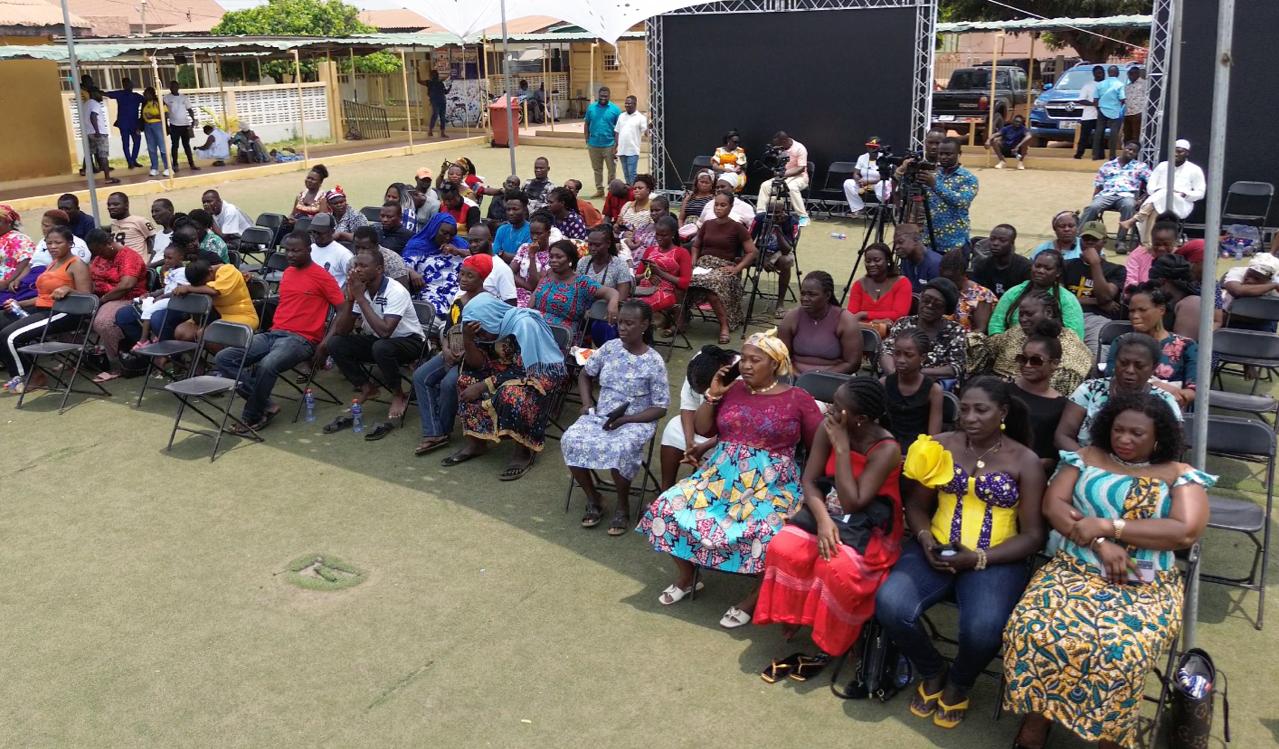
The concerns came to the fore during discussions at The People’s Forum, where participants described the rising cost of electricity as one of the most pressing economic challenges confronting ordinary Ghanaians.
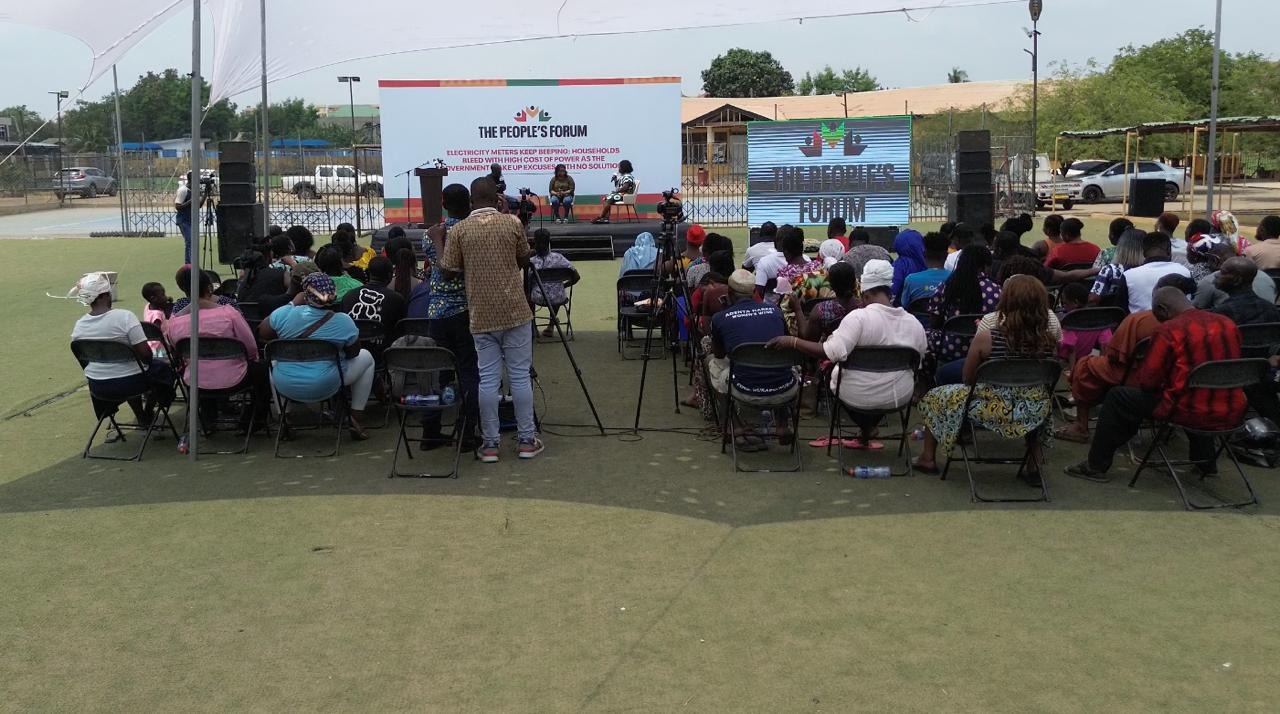
Many of the attendees argued that the latest tariff adjustments have doubled their monthly electricity expenses, forcing them to either increase prices for customers or risk shutting down their businesses entirely.
At the event, speakers relied on historical data from the Public Utilities Regulatory Commission (PURC) to track the trajectory of electricity tariffs over the past decade and a half.
According to the analysis, electricity tariffs experienced their steepest cumulative rise during the administration of the National Democratic Congress (NDC) between 2009 and 2016, when tariffs increased by about 294.6 percent.
That period coincided with the country’s prolonged power crisis popularly known as “dumsor,” during which several major tariff hikes were implemented, including increases of 58.9 percent in 2013, 28.35 percent in 2014, and a massive 90.93 percent adjustment in 2015.
The analysis contrasted this with the subsequent administration of the New Patriotic Party (NPP) from 2017 to 2024, when cumulative tariff increases were estimated at about 84.6 percent.
During that period, authorities introduced some relief measures, including a 17.5 percent reduction in tariffs in 2018, while tariffs remained unchanged in several subsequent years.
Despite those historical trends, participants at the forum argued that recent tariff adjustments have placed an even heavier burden on consumers.
Data presented showed that residential electricity tariffs under the scaled block system increased significantly between late 2024 and early 2026. For example, the tariff for the first block of electricity consumption (0–300 kilowatt-hours) rose from GH¢1.6093 per kilowatt-hour in October 2024 to GH¢2.1023 by January 2026.
Similar increases were recorded across non-residential categories, affecting small enterprises that rely heavily on electricity to operate.
A key point of concern raised at the forum related to the quarterly tariff adjustment mechanism introduced by regulators. Participants argued that several of the adjustments implemented in 2025 were based on projections for exchange rates and inflation that later turned out to be overstated.
According to the presentation, inflation projections in the first two quarters of 2025 were overestimated by about 2.19 percent, while foreign exchange projections also exceeded actual levels, contributing to higher electricity tariffs than consumers might otherwise have paid.
The rising electricity costs are already being felt across several sectors of the informal economy.
Hairdressers at the forum said the high energy demand from dryers and other equipment means electricity now consumes a significant portion of their daily earnings.
One hairdresser explained that she has been forced to increase service charges to keep her business afloat, warning that customers are beginning to complain about the new prices.
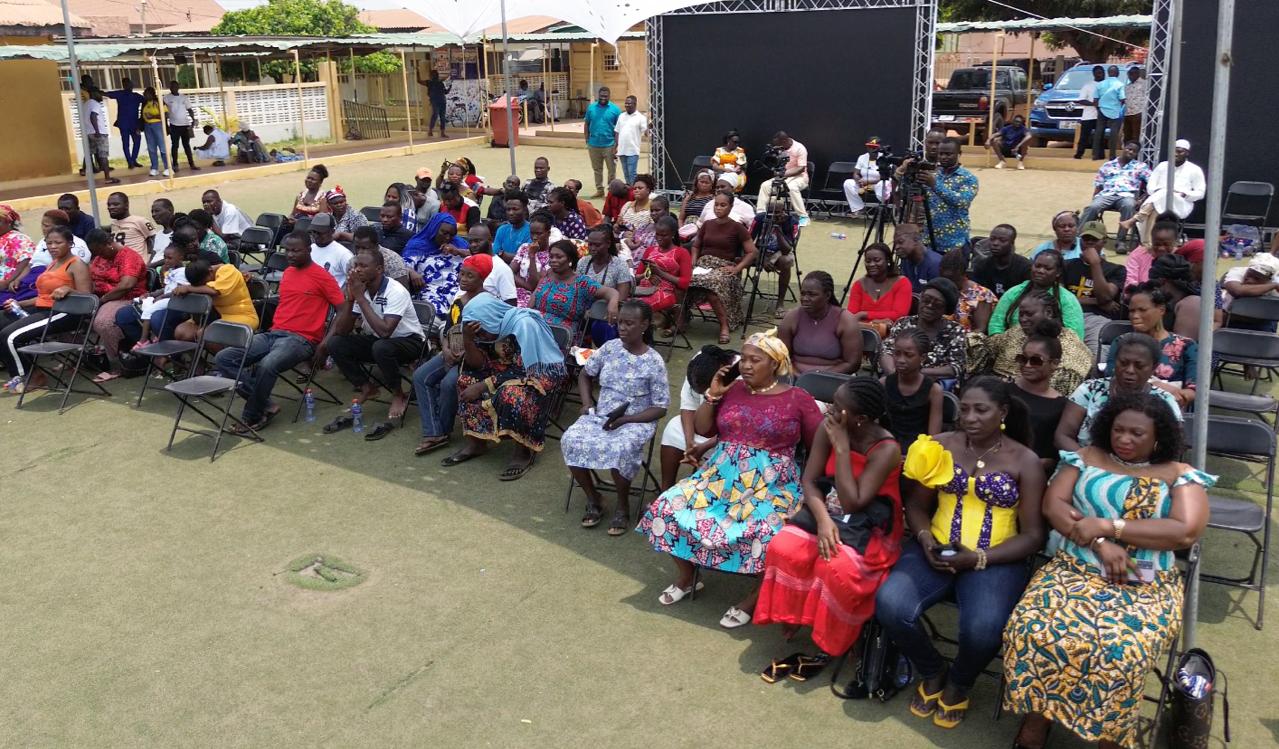
Barbers also reported declining patronage as clients cut back on discretionary spending amid rising living costs. Traders who rely on refrigerators or lighting for late trading hours described electricity bills as one of their biggest monthly expenses, while cold store operators warned that the higher cost of powering freezers could soon translate into higher food prices for consumers.
Several participants also expressed disappointment with what they described as unfulfilled campaign promises regarding electricity affordability.
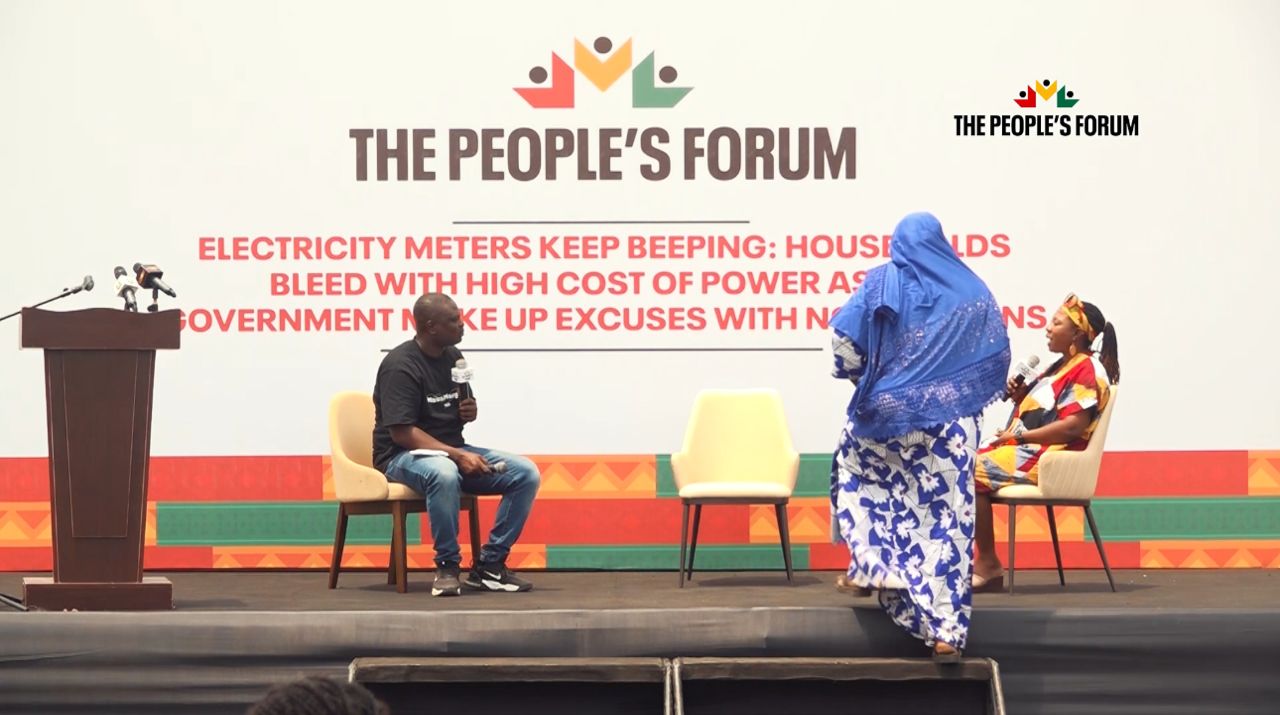
Critics at the forum pointed specifically to pledges contained in the NDC’s 2024 manifesto, which they said promised the introduction of cost-effective Time-of-Use tariffs and broader tariff reviews aimed at easing the burden on consumers.
One case highlighted during the forum illustrated the growing concern among households and small businesses. A trader identified as “Auntie Akosua” reportedly saw her monthly electricity bill rise to about GH¢256 despite broader improvements in some macroeconomic indicators.
Presenters argued that this increase appeared inconsistent with falling fuel prices—reportedly declining from about GH¢14 to GH¢9.8 per litre—as well as a drop in inflation from about 23.8 percent to around 3.3 percent over the same period.
Participants questioned why electricity tariffs continued to rise despite those improvements, with some alleging that the tariff adjustment mechanism lacked transparency. Several speakers also raised concerns that electricity meters appeared to be recording consumption faster than before, a claim that has periodically surfaced in public debates over electricity billing.
Government officials were unavailable to respond to the claims raised at the forum.
However, the discussions have intensified calls for greater transparency in tariff calculations and an urgent review of the pricing formula used to determine electricity costs.
Many participants argued that unless tariffs are reviewed downward, the rising cost of electricity could worsen inflation, push small businesses into closure, and further strain household budgets.
For many of the traders and artisans present at the forum, the issue has moved beyond politics to what they described as a matter of economic survival.
Comments