A joint analysis by the United Nations Development Programme (UNDP) and auditing firm KPMG has endorsed the Government of Ghana’s strategic shift from light crude oil to domestically produced natural gas for power generation, describing it as a move with significant potential to cut costs and strengthen energy security.
The report, however, emphasises that the long-term success of the transition will depend heavily on transparent tariff-setting processes and the adoption of cost-reflective electricity tariffs.
According to the analysis, switching from crude oil to natural gas could slash electricity generation costs by up to 75 per cent. But it warned that these savings must be efficiently managed across the entire electricity value chain to guarantee sustainability.
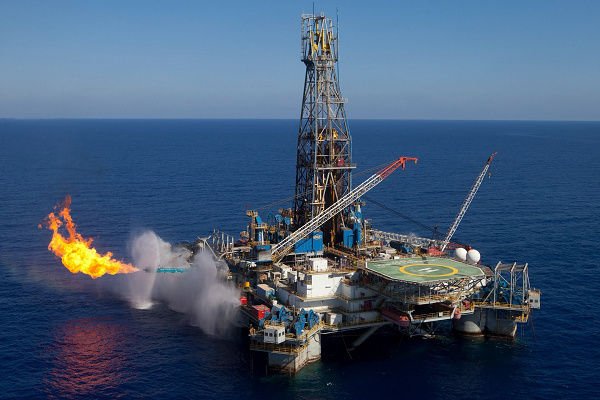
The findings come as the government moves to expand the use of gas from the Offshore Cape Three Points (OCTP), Jubilee, and TEN fields, as outlined in the 2026 Budget Statement. The Finance Minister also announced recent infrastructure upgrades and new partnerships aimed at increasing gas supplies, including plans to construct a new 1,200-megawatt state-owned thermal power plant beginning in 2026.
The report underscored the need for the Public Utilities Regulatory Commission (PURC) to implement pricing models that reflect the true costs of production, transmission, distribution, and supply. Such an approach, it said, is crucial to ensuring the financial stability of the Electricity Company of Ghana (ECG), the Ghana Grid Company (GRIDCo), and independent power producers, while preventing undue strain on the national budget.
The government’s additional efforts—such as feasibility studies for mini-hydropower projects on the Red Volta and other southern rivers—also align with broader plans to diversify the energy mix and incorporate more renewable sources.
Nonetheless, the UNDP-KPMG report stresses that the stability of the power sector will remain fundamentally dependent on establishing a sound and transparent tariff structure. Without cost-reflective tariffs, the sector risks slipping back into cycles of debt and underinvestment, potentially negating the benefits of cheaper gas-based generation.
Enhancing transparency in tariff-setting, the report added, will be essential in building public trust and promoting acceptance of future tariff adjustments.
Comments