
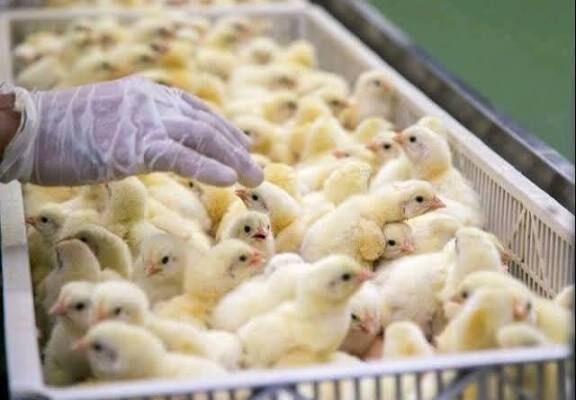
The spokesperson for the United Party, Solomon Owusu, has called on the government to halt the importation of frozen chicken, warning that continued imports could undermine the success of the government’s flagship “Nkoko Nkitinkiti” poultry initiative.
Speaking on TV3’s NewDay on Saturday, December 20, 2025, Owusu praised the project as a visionary policy but cautioned that it would fail unless decisive steps are taken to prioritise locally produced poultry.
“It is one of the most brilliant policies I have ever seen,” he said. “But it will fail if politicians and party financiers are still allowed to import chicken from Brazil, the Netherlands and the United States instead of promoting local production.”
Owusu explained that imported poultry continues to dominate the Ghanaian market due to price advantages, which he attributed to high production costs faced by local farmers. He cited the high cost of feed, particularly maize, as a major factor making locally produced chicken less competitive.
“If you do a cost-benefit analysis, a bag of maize in Ghana is more expensive than maize imported from South Africa,” he noted, adding that this cost disparity discourages demand for local poultry.
According to Owusu, consumers will naturally opt for cheaper imported chicken, making it difficult for domestic producers to compete without strong government intervention.
“People behave rationally. They will always choose the cheaper option over the more expensive one produced locally,” he said. “Government must continue to reduce production costs and ensure that the ‘Nkoko Nkitinkiti’ project becomes a national movement.”
The “Nkoko Nkitinkiti” initiative is a nationwide programme aimed at revitalising Ghana’s poultry industry, creating jobs, and positioning the country for poultry exports. President John Dramani Mahama officially launched the project in Kumasi on Wednesday, November 12, 2025.
At the launch, President Mahama described the initiative as a bold and practical step toward food self-sufficiency, household resilience, and sustainable livelihoods. He emphasised that the project goes beyond government intervention, describing it as a national movement to empower communities and strengthen Ghana’s agricultural sector.
The initiative forms part of the Poultry Industry Revitalisation Programme, a flagship component of the broader Feed Ghana Programme, which seeks to drive agricultural transformation, food sovereignty, and inclusive economic growth.
Comments