
The Ghana Revenue Authority (GRA) is intensifying domestic revenue mobilisation in line with initiatives outlined in the 2026 Budget, as Ghana prepares to exit its IMF-supported programme next year.
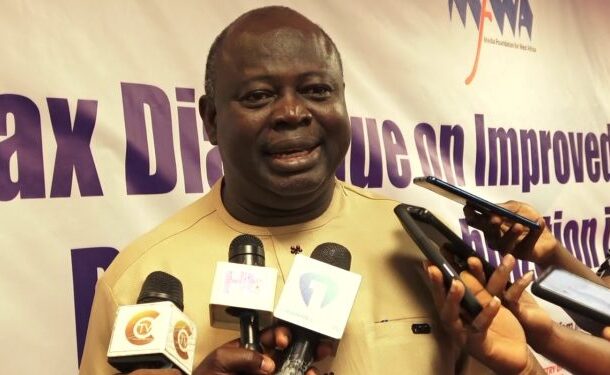
Acting Head of Strategy and Research at the GRA, Dominic Naab, said the Authority has implemented a series of targeted compliance and administrative reforms aimed at strengthening revenue performance and providing the government with a more reliable stream of funds to support national development priorities.
Speaking on the sidelines of the Media Foundation for West Africa’s Tax Dialogue, Mr. Naab highlighted key initiatives:
-
The E-VAT system, which uses electronic platforms to generate VAT invoices, enabling real-time monitoring of transactions.
-
The adoption of artificial intelligence in port operations to identify gaps, reduce declaration errors, and curb revenue leakages.
“These measures, if executed effectively, will significantly enhance our revenue collection and help us develop the country,” he said. “We are aware that international support is declining, so domestic revenue generation is crucial. Many people earn income but are currently outside our radar, meaning we are not able to tax them. These reforms will help address that gap.”
Tax analysts have noted that as Ghana nears the end of its IMF programme, the effectiveness of domestic revenue mobilisation measures will be critical in determining fiscal resilience beyond 2026.
Comments