
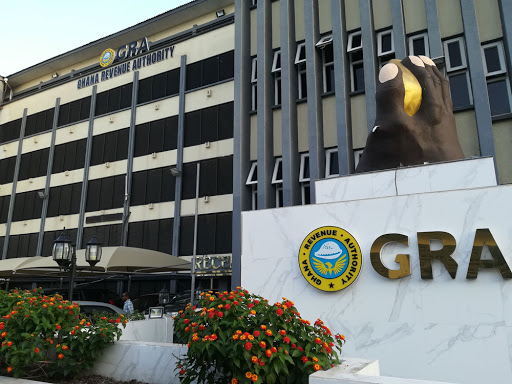
The Ghana Revenue Authority (GRA) has announced an ambitious GH₵225 billion revenue target for 2026, backed by a bold package of VAT reforms designed to expand the tax net, simplify compliance and boost domestic revenue mobilisation.
Central to the new measures is a significant increase in the VAT registration threshold for goods-trading businesses, which now rises from GH₵200,000 to GH₵750,000 in annual turnover.
This change is intended to ease the burden on small businesses while focusing enforcement on higher-earning firms.
The reforms also introduce major structural changes to the VAT system. These include the decoupling of the National Health Insurance Levy (NHIL) and the GETFund levy from input tax claims, a reduction of the standard VAT rate to 20 percent, and the scrapping of the VAT Flat Rate Scheme.
Speaking after his appearance before Parliament’s Public Accounts Committee on Monday, January 12, GRA Commissioner-General Anthony Sarpong said the Authority is fully mobilised to meet the new revenue target.
“We are projecting GH₵225 billion, and this is our core mandate. From the very start of the year, we are working aggressively to mobilise revenue. Revenue is the lifeblood of national development, and without it, the President’s vision cannot be realised,” he stated.
Mr. Sarpong explained that the revamped VAT framework is aimed at making the system more efficient, fair and transparent, while also tightening compliance among eligible taxpayers.
According to the GRA, the reforms will not only improve collection but also provide government with the financial muscle needed to drive its development agenda.
Comments