
Gunmen kidnap students from Borno classroom; military fights back
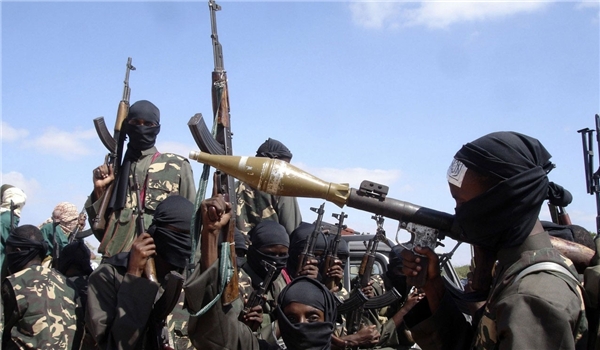
Armed assailants descended upon a secondary institution in Nigeria’s violence-plagued northeast on Monday morning, forcing their way into examination halls and abducting students whilst they laboured over national assessment papers in what appears to be yet another installment in a relentless campaign of educational disruption.
The Technical Secondary School at Lassa in the Askira-Uba district of Borno state became an active conflict zone when gunmen stormed the facility, discharging weapons indiscriminately as they moved through corridors where young people sat hunched over examination desks.
The barrage of gunfire halted the testing immediately as educators and pupils scrambled for shelter.
Military personnel positioned under Operation HADIN KAI mobilised with urgency, intercepting the retreating attackers near the DAGGU area where intense firefighting erupted.
Troops managed to extract ten individuals — a mixture of students and teaching staff — bringing them to safety amid the exchange of gunfire.
The rescue operation exacted a price. One soldier and a member of a local paramilitary support contingent lost their lives during the engagement. Military spokesperson Captain Mohammed Goni confirmed that troops successfully harried the fleeing gunmen, inflicting casualties and seizing seven motorcycles the attackers had employed for escape.
Yet the full accounting remains elusive.
Police spokesperson Nahum Kenneth Daso acknowledged the fluid nature of the situation: “For now, we don’t have the number of how many students were abducted. We have about 10 victims who have been rescued.”
The discrepancy between official military claims and independent assessment organisations underscores the chaos attending such incidents.
Amnesty International Nigeria alleged a higher casualty count, asserting that two educators and one pupil were slain during the assault — a figure that contradicts military statements suggesting the captured individuals remained unharmed.
The operation represents merely the latest eruption of violence within a region that has endured more than fifteen years of militant insurgency.
Boko Haram and its fractured offshoot, the Islamic State West Africa Province, maintain operational cells across the territory, orchestrating raids with seeming impunity despite military countermeasures.
The broader conflict has extracted catastrophic human cost. United Nations assessments document thousands of deaths and millions displaced across the northeast and adjacent regions as the insurgency metastasises.
Human rights advocates have leveraged the incident to amplify calls for educational security. Amnesty International issued a statement condemning the assault whilst directing criticism toward governmental capacity to safeguard learning environments.
“Schools should be places of safety, and no child should have to choose between their education and their life,” the organisation declared, further urging the Nigerian state to mobilise resources protecting the educational sector from militant predation.
The kidnapping underscores a grim reality animating conflict across the Sahel and West Africa more broadly.
Thousands of educational institutions across Burkina Faso, Mali, Niger and Nigeria have shuttered or operate under militia shadow as armed groups systematically weaponise learning environments.
The disruption consumes not only immediate victims but corrodes the foundational right to education across entire generational cohorts.
Regional policymakers increasingly recognise that military operations alone cannot restore stability.
Sustainable peace requires integrated strategies marrying security operations with community-led development and psychosocial rehabilitation for traumatised youth — a comprehensive approach that remains conspicuously absent from current governmental responses across the conflict zone.





Popular News
No trending posts found.