
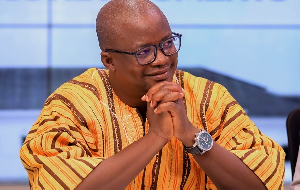
Political science lecturer Dr. Joshua Zaato has criticised the government’s decision to scrap the COVID-19 Levy, expressing concern that valuable revenue has been lost at a time when Ghana needs stronger funding for key development initiatives.
Parliament passed the new Value Added Tax (VAT) Bill on November 26, 2025, effectively repealing the 1 percent levy that had been imposed on goods, services, and imports during the height of the pandemic. Once the bill is assented to, the surcharge will cease to exist.
Speaking on TV3 on November 29, Dr. Zaato argued that rather than eliminating the levy entirely, the government could have redirected its proceeds to support major national programmes. He highlighted the government’s “Big Push” infrastructure agenda and the ongoing challenges faced by farmers as areas that could have benefited from the additional funds.
“I wouldn’t have removed it; this money would have done something for the Big Push. Again, you have a serious problem of farmers experiencing glut across the country, so I could have invested this money in the farmers,” he said.
What the Repeal Means
The removal of the levy forms part of a broader restructuring of Ghana’s VAT system. Government projections show that eliminating the COVID-19 charge will return approximately GH₵3.7 billion to households and businesses in 2026. Supporters of the reform say this relief will ease financial pressure, stimulate private-sector activity, and help stabilise the cost of living.
However, critics warn that scrapping the levy leaves a potential revenue gap that the government must now find new ways to fill—particularly if it intends to fund large-scale infrastructure projects and bolster the agricultural sector.
They caution that without a clear alternative revenue strategy, key development goals could be undermined.
Comments