The Kumasi Metropolitan Assembly (KMA) has raised alarm over a looming waste management crisis, saying it urgently requires six million euros to prevent a possible breakdown in sanitation services in the city.
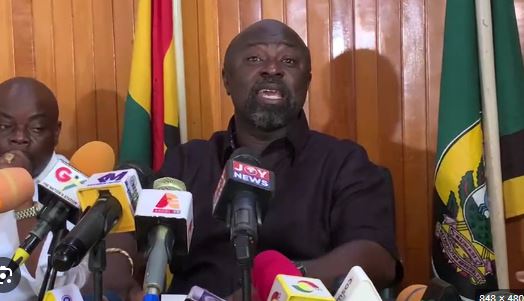
According to the Metropolitan Chief Executive, Richard Ofori-Agyeman Boadi, failure to secure the funds could further aggravate the already challenging sanitation situation in the metropolis. He made this known during an interaction with the media in Kumasi, where he outlined the Assembly’s priority development projects for 2026.
Kumasi generates a huge volume of solid waste daily, with recent estimates putting waste generation in Greater Kumasi at about 2,000 tonnes per day. Although successive city authorities have rolled out various interventions to address sanitation challenges—including a €2.5 million European Union-funded project dubbed Holistic Reinforcement for Sustainable Development, launched in 2022—the problem has persisted.
The situation, he noted, continues to deteriorate due to rapid urbanisation, inadequate infrastructure and indiscipline in waste disposal.
Mr Ofori-Agyeman Boadi explained that managing the daily waste load comes at a significant cost, stressing that the Assembly faces an urgent capacity challenge at its disposal site.
“Kumasi manages about 2,000 tonnes of waste daily, and each tonne costs about 83 cedis. The financial burden is therefore enormous. Within the next 14 to 16 months, if we are unable to construct two new landfill cells, the site will be full and we will have nowhere to dump our waste. We need six million euros to address this,” he stated.
Beyond sanitation, the Metropolitan Chief Executive also outlined key infrastructure projects the Assembly plans to pursue.
He revealed that discussions with the President had progressed on plans to construct a modern 1,500-seater theatre in Kumasi, adding that the project had received presidential assurance. In addition, the Assembly intends to build a paediatric centre behind the KMA premises to complement existing facilities at the Komfo Anokye Teaching Hospital and improve healthcare delivery in the metropolis.
The media engagement also provided a platform to highlight other pressing challenges confronting the Assembly, including severe financial constraints, rising debt levels, and difficulties associated with urban planning and infrastructure development.
Comments