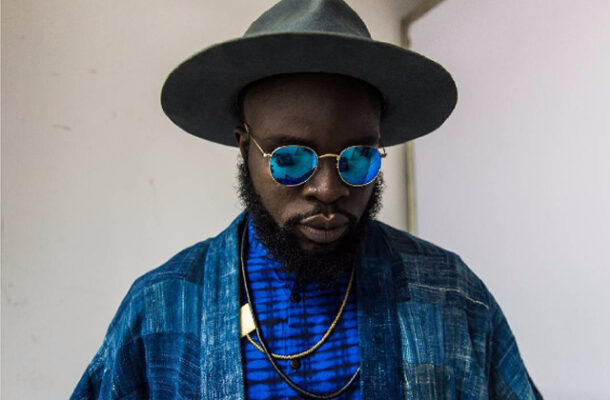
Rapper M.anifest has delivered a stark assessment of the country’s music industry, revealing that despite more than a decade of active work, he has never received a single cedi in royalties from Ghana.
The award-winning lyricist made the disclosure during the “Protecting What You Create” seminar, a clip of which was shared on Instagram.
A System “Broken from the Start”
Speaking candidly at the seminar, M.anifest described the creative arts ecosystem as one hampered by weak or non-existent infrastructure.
According to him, the foundational systems that should support musicians — including royalty collection and distribution — remain unreliable.
“As a Ghanaian creative or businessperson, you are dealing with broken infrastructure and, at times, non-existent infrastructure,” he stated.
“I was very glad to hear that some strides were made back in those days, but I will tell you, I have not received a single cedi in royalties from Ghana in my life.”
The rapper noted that while conversations about reform have surfaced periodically, the lived experience of many artistes suggests that structural inefficiencies persist.
He described the situation as an “uphill climb” for creatives attempting to build sustainable careers locally.
Longstanding Concerns in the Industry
M.anifest’s revelation is not an isolated complaint.
Over the years, Ghanaian musicians have raised concerns about the operations of rights management bodies and the limited number of viable performance venues nationwide. Industry players have also pointed to gaps in monitoring airplay, digital streams, and public performances — all of which are critical revenue streams in mature markets.
“You have to use technology as a tool. We have to use technology more than anybody else because that is our equaliser right now,” he advised.
He questioned the viability of local touring circuits, asking how many venues across Ghana can sustain an album tour.
Not Cynicism, But Reality
M.anifest clarified that his remarks were not intended to discourage upcoming artistes, but rather to ground expectations in reality.
“I can go on and on about the broken or sometimes non-existent infrastructure, but it is not to be pessimistic or cynical,” he said.
“It is simply to remind you that the work you are doing is an uphill climb.”
His comments come at a time when national conversations around strengthening the creative industry have intensified, including recent public pledges by political leaders to position Ghana as a hub for arts and culture.
Comments