The launch of the Free Primary Healthcare Programme has stirred a fresh wave of political debate, with the opposition New Patriotic Party (NPP) describing the policy as a rebranded extension of the existing National Health Insurance Scheme (NHIS), even as government insists it represents a critical shift toward achieving universal health coverage.
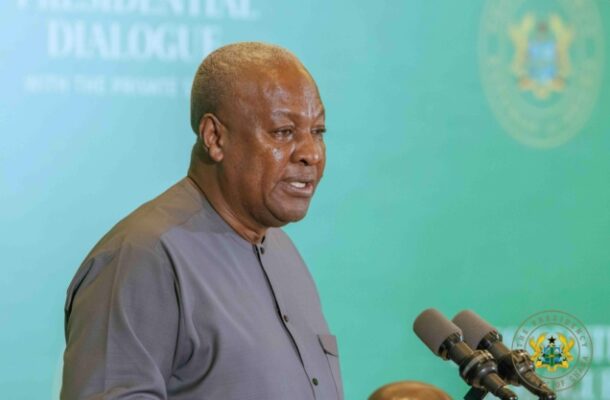
The policy, officially unveiled on April 15, 2026, at the Shai Osudoku District Hospital in the Greater Accra Region, is a key intervention under the administration of President John Dramani Mahama.
It is designed to expand access to essential healthcare services at the primary level while addressing long-standing gaps in the country’s health delivery system.
At the launch, President John Mahama framed the initiative as part of a broader global effort to ensure that all citizens have access to affordable and quality healthcare.
He acknowledged the strides made under the NHIS since its introduction but noted that significant portions of the population—particularly in rural and underserved areas—remain outside effective coverage.
According to the President, the Free Primary Healthcare Programme is intended to bridge this gap by focusing on preventive care and early intervention, which he described as essential components of any country’s strategy to achieve universal health coverage.
He stressed that the policy is not a replacement for the NHIS but rather a complementary system that strengthens access at the grassroots level.
A key pillar of the programme is the introduction of annual health screenings for all Ghanaians. Under the initiative, citizens will undergo routine checks for conditions such as hypertension and diabetes, with the aim of detecting illnesses early and reducing the long-term burden on both individuals and the healthcare system.
Basic screenings, including blood pressure checks, will be conducted at community-level facilities, with referrals made to district hospitals where necessary
The Minister of Health, Kwabena Mintah Akandoh, indicated that the rollout would be done in phases, beginning with 150 districts nationwide.
He explained that strengthening primary healthcare systems would not only improve access but also significantly reduce congestion at higher-level facilities.
Unlike the NHIS, which requires registration and periodic renewal, the new policy allows citizens to access basic healthcare services using valid identification such as the Ghana Card, eliminating administrative barriers at the entry point of care.
To support implementation, the government has allocated about GHS 1.5 billion for the programme in 2026, with funding expected to be drawn largely from oil revenues through the Annual Budget Funding Amount (ABFA). Extra funding will also come from the National Health Insurance Authority (NHIA) allocations and not from the Ministry of Health budget.
Despite these assurances, the programme has become a focal point of political contention. The NPP maintains that the initiative is largely a repackaging of existing NHIS services and questions its originality and long-term sustainability.
Comments