Concerns over the management of the gold reserves have escalated following the reported sale of 18 tonnes of state-owned gold between September and December 2025.
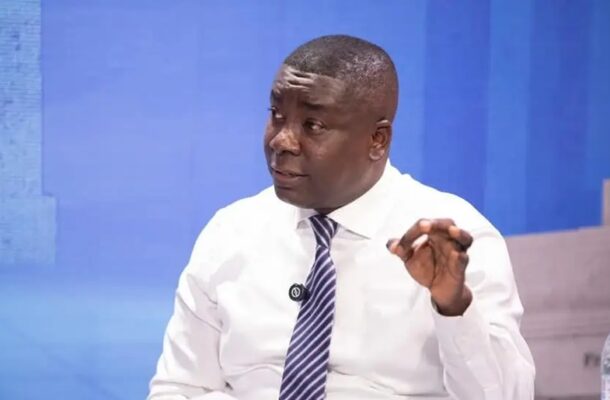
Dr. Gideon Boako, Member of Parliament for Tano North, has urged Parliament to establish a bipartisan inquiry into the transaction, describing it as a potential “criminally minded attempt to loot the resources of this country.”
Speaking on the floor during the debate on the State of the Nation Address (SONA) on Wednesday, March 4, Dr. Boako questioned the rationale behind the sale and warned that the decision could cost the nation an additional $1.26 billion.
According to him, the gold was sold at $3,500 per ounce, yet months later, the Finance Ministry indicated that Ghana would need to purchase the same 18 tonnes at $5,500 per ounce.
He suggested this disparity raises suspicions of insider trading and alleged that certain individuals may have benefited from the transaction by reselling the gold at higher prices.
“We cannot sit unconcerned when managers of the economy sell 18 tonnes of our gold reserves at a lower price, only to return months later to say we must buy more at a higher price,” he told Parliament.
The call for scrutiny comes amid broader controversy over the gold trading policies. Analysts, including Bright Simons of IMANI Africa, have previously criticized the National Democratic Congress (NDC) government’s handling of the Gold-for-Reserves and Gold-for-Oil programmes, citing opacity, high costs, and the rapid depletion of previously accumulated reserves.
The GoldBod initiative, established to regulate gold trading and formalize artisanal mining, has faced allegations of inefficiency and inadequate traceability, raising concerns that state-owned gold may be sold or mismanaged without proper oversight.
Adding to the debate, Kennedy Osei Nyarko, MP for Akim Swedru, described the sale as economically reckless.
He highlighted that Ghana had sufficient foreign exchange reserves at the time, making the disposal of gold unnecessary.
According to Mr. Osei Nyarko, the transaction appears to have been poorly timed, forcing the state to repurchase gold at a significantly higher cost, which he described as “profiteering at the expense of taxpayers.”
They have pointed out that Ghana inherited 30.5 tonnes of gold reserves from the previous administration in December 2024. By September 2025, reserves reportedly peaked at 37.1 tonnes, only for the final quarter to see a sharp reduction to 18.6 tonnes, wiping out gains accumulated earlier in the year.
This decline, combined with the pricing gap, has sparked questions about government decision-making, transparency, and potential conflicts of interest.
Dr. Boako and Kennedy Osei Nyarko are pushing for a comprehensive parliamentary inquiry that would investigate all aspects of the sale, including the timing, pricing, intermediaries involved, and whether the transaction violated procurement and fiduciary norms.
They emphasized that accountability and transparency are critical to restoring public trust in the management of the strategic resources.
Ghana’s gold reserves are considered a vital component of the country’s macroeconomic stability, serving as both a hedge against currency volatility and a means to secure foreign exchange.
Experts warn that mismanagement or opaque transactions could have long-term consequences for the nation’s financial position and investor confidence.
With Parliament now seized of the matter, the inquiry proposed by the minority is likely to dominate debates on economic governance, fiscal prudence, and oversight of state-owned resources in the coming weeks.
The outcome could have significant implications for how future gold transactions are conducted and monitored under Ghana’s gold trading frameworks, including the GoldBod initiative.
Comments