Most Ghanaian Workers Unable to Save as Study Exposes Deep Wage Crisis
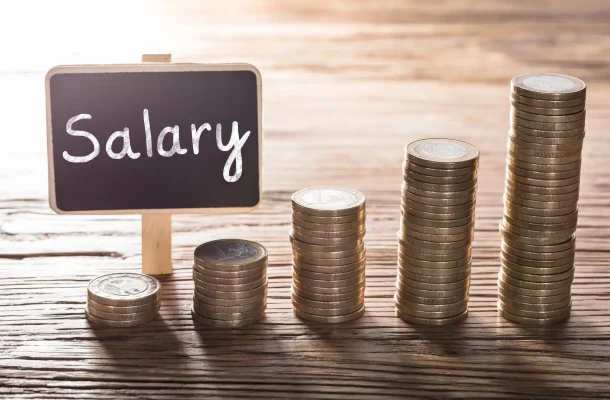
A newly released study has painted a sobering picture of the financial reality facing workers in Ghana, finding that fewer than one in three salaried employees is able to set aside any savings from their earnings.
The research, carried out by Prof Smart Sarpong of Kumasi Technical University, found that 67.8 per cent of workers spend more than they earn each month, effectively shutting them out of any meaningful savings culture.
The study attributes this largely to inadequate wages, with private sector workers bearing the heaviest burden.
The findings form part of the National Cost of Living Outlook Report for the first quarter of 2026, which surveyed 4,155 households spread across 2,350 communities in eight regions, covering 100 constituencies.
Regions covered include Ashanti, Western, Western North, Central, Upper East, Northern, Bono, and Bono East.
The income data makes for stark reading. A sweeping 95 per cent of workers take home less than GH₵5,000 monthly, while over 36 per cent earn below GH₵1,000.
The disparity between public and private sector employees is particularly pronounced — 58 per cent of private sector workers earn under GH₵2,000 per month, compared to just 19.7 per cent in the public sector.
At the upper end, roughly 55 per cent of public sector workers earn above GH₵4,000, against only 18.1 per cent of their private sector counterparts.
The report also captures a dramatic shift in how Ghanaians perceive the cost of living.
Just 14.4 per cent of respondents considered the cost of living low by the end of the first quarter of 2026 — a steep drop from 68.8 per cent who held that view in 2025.
There has also been a three per cent uptick in those describing the cost of living as high.
Electricity bills, public transport fares, and mobile services including data and call credit were highlighted among the most burdensome household expenses driving the cost of living upward.





Popular News
No trending posts found.