

Ghana is mourning the death of Nana Konadu Agyeman-Rawlings, whose passing on Thursday, October 23, brings to an end one of the most remarkable chapters in the nation’s political and social journey.
Often hailed as Ghana’s “Iron Lady”, Nana Konadu was a visionary leader, an unyielding advocate for women’s rights, and the longest-serving First Lady in the country’s history. Her influence extended far beyond the corridors of power — shaping generations of Ghanaian women and redefining female leadership in national politics.
Early Life and Education
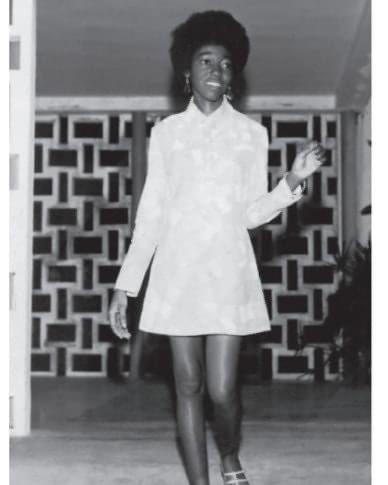
Born on November 17, 1948, in Cape Coast, Nana Konadu received her secondary education at Achimota School, where she met her future husband, Flt. Lt. Jerry John Rawlings. She pursued Art and Textiles at KNUST, later earning a diploma in Interior Design from the London College of Arts and additional training at GIMPA in Development and Personnel Management.
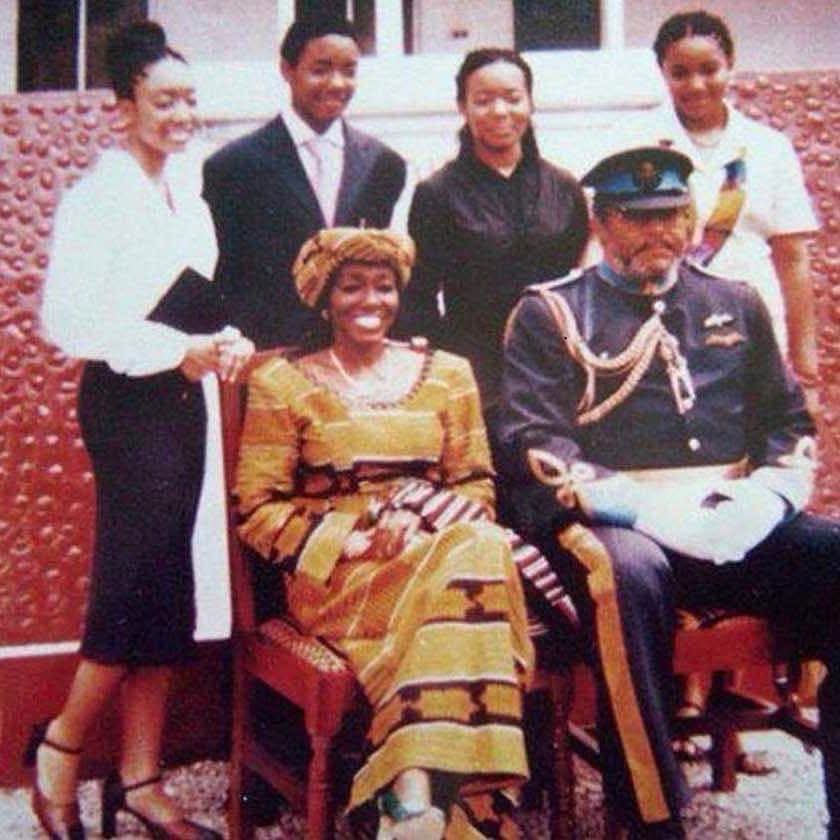
Her marriage to Rawlings in 1977 placed her at the heart of Ghana’s evolving political story. She served as First Lady under two regimes — the AFRC in 1979 and later the PNDC and Fourth Republic, from 1981 to 2001 — a combined period of nearly two decades, the longest by any First Lady in Ghana’s history.
Driving Force Behind the 31st December Women’s Movement
In 1982, Nana Konadu founded the 31st December Women’s Movement (31st DWM), one of the most influential women’s organisations in Ghana’s history. The movement’s mission was to empower women socially, economically, and politically, with remarkable results:
- Over two million women mobilised nationwide, fostering greater participation in local governance.
- More than 870 pre-schools established to support working mothers.
- Small-scale businesses promoted to strengthen women’s financial independence.
- Legal reforms such as the Intestate Succession Law (PNDCL 111), which protected widows and children’s inheritance rights.
- Health and education initiatives that tackled rural illiteracy and improved child welfare.
Her advocacy also helped Ghana become the first country in the world to ratify the UN Convention on the Rights of the Child in 1991.
A Political Powerhouse
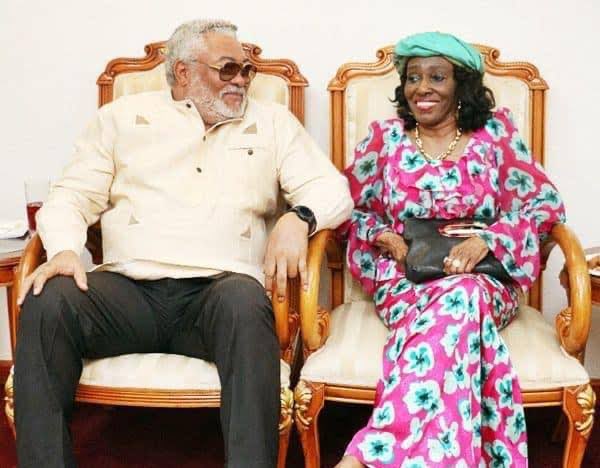
Nana Konadu’s political influence extended beyond her years as First Lady. As First Vice Chairperson of the NDC, she was a formidable voice within the party. Her 2011 bid to lead the NDC against then-President John Atta Mills reflected her political courage and independence.
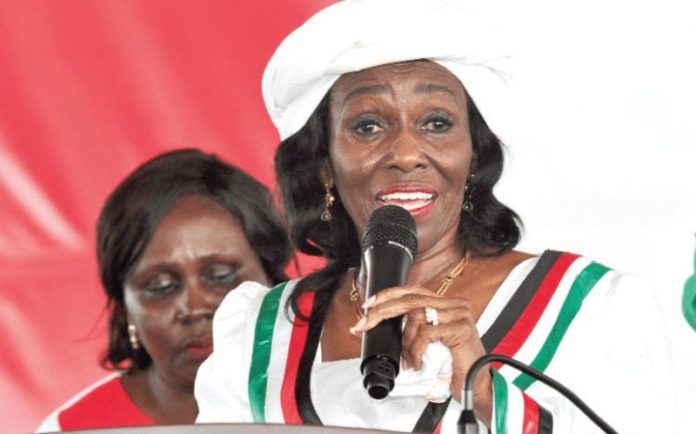
In 2012, she founded the National Democratic Party (NDP) and made history again in 2016, becoming Ghana’s first female presidential candidate. Though her votes were few, her candidacy shattered long-standing barriers and inspired future generations of women leaders.
Legacy of Strength and Conviction
Nana Konadu Agyeman-Rawlings’s life embodied resilience, purpose, and an unwavering belief in the power of women to transform society. She was not only the First Lady of Ghana but also a first lady of reform, whose bold ideas reshaped the nation’s social and political fabric.
Her death closes a monumental era, but her legacy — of courage, empowerment, and service — will continue to inspire Ghana and beyond.
She remains a symbol of determination, a pioneer who redefined leadership, and a true matriarch of modern Ghana.
Comments