
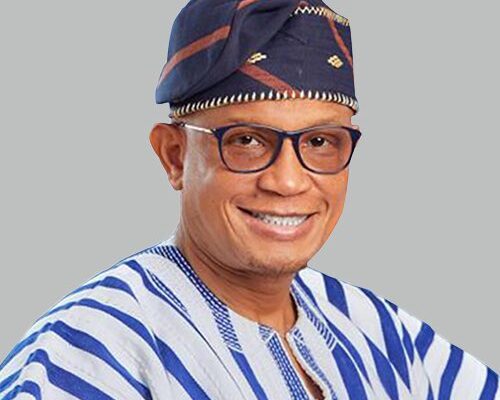
Lawyers for former National Petroleum Authority (NPA) Chief Executive Officer, Mustapha Abdul-Hamid, have filed an application at the Accra High Court seeking to have the charges against him struck out.
Abdul-Hamid, along with nine others, faces 54 counts, including extortion, abuse of public office, and money laundering, involving a total sum of GH¢291 million and US$332,407.47. The co-accused include UPPF Coordinator Jacob Kwamina Amuah, NPA staff member Wendy Newman, company directors Albert Ankrah, Isaac Mensah, Bright Bediako-Mensah, Kwaku Aboagye Acquaah, as well as PropNest Ltd., Kel Logistics Ltd., and Kings Energy Ltd. All have pleaded not guilty and are currently out on bail.
In court on Wednesday, December 17, Abdul-Hamid’s lawyers, led by Joseph Kpemka, informed the court that they had not yet been served with the affidavit in opposition filed by the prosecution.
Presiding Judge Audrey Kocuvie-Tay noted that an application to strike out the charges had been filed by the first accused and instructed the court registrar to provide true copies of the application to bailiffs to serve the other accused persons by close of business on Thursday, December 18. The judge also directed the prosecution to serve the affidavit in opposition to all accused persons and emphasised the expectation that the accused would appear on the next scheduled court date.
The case has been adjourned to Monday, December 22, for the hearing of Abdul-Hamid’s application to strike out the charges against him.
Background
According to the Office of the Special Prosecutor (OSP), the first, second, and third accused allegedly carried out an extortion scheme between 2022 and December 2024, unlawfully collecting GH¢291,574,087.19 and US$332,407 from oil marketing companies and bulk oil transporters.
The OSP alleges that the scheme was initiated by Abdul-Hamid, executed by UPPF Coordinator Jacob Kwamina Amuah, and facilitated by NPA staff member Wendy Newman, who acted as the main conduit for receiving the funds. Portions of the proceeds were reportedly laundered through the three accused companies to acquire lands, residential properties, fuel stations, and trucks.
Comments