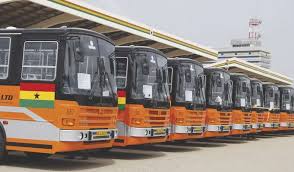
Fresh allegations have emerged over the disposal of state assets at Metro Mass Transit Ltd, after the company’s Deputy Managing Director, Haroun Apaw Wiredu, revealed that 313 buses were declared unserviceable and sold barely two months before the 2020 general elections.
Speaking on TV3 in Accra, Mr Wiredu described the development as deeply troubling, disclosing that some of the buses were disposed of at shockingly low prices, with at least one full-size Metro Mass bus reportedly sold for just GH¢2,500.
According to him, the sales formed part of what he termed a deliberate and criminal scheme allegedly orchestrated by the management in charge at the time.
The scheme, he said, was internally referred to as “cannibalisation.”
Mr Wiredu explained that under this practice, buses with relatively minor mechanical faults were intentionally stripped of usable parts.
Once sufficiently damaged, the buses were officially declared unserviceable and subsequently sold off cheaply to individuals he described as cronies linked to the system.
He further disclosed that the problem predated the 2020 elections. Internal records, he said, indicate that more than 400 buses were declared unserviceable and sold between 2017 and 2018, shortly after the change of government.
“It would surprise you to know that around 2017 and 2018, over 400 buses were written off as unserviceable and sold to people associated with the system,” he stated.
The situation worsened, he added, in October 2020, just weeks before the general elections, when another 313 buses were disposed of under similar circumstances.
“When I reviewed the report, I realised that a whole Metro Mass bus was sold for a paltry GH¢2,500,” Mr Wiredu said, describing the transactions as blatant abuse of public resources.
He insisted the so-called cannibalisation process was not accidental but carefully planned.
“They deliberately removed parts from the buses. When the damage reached a certain level, the buses were declared unserviceable and sold off as scrap.
It was seen as a low-hanging fruit—a way to milk the system,” he explained.
Since assuming office in March 2025, Mr Wiredu said the current management has moved to address the matter by commissioning external auditors to investigate the sales and establish accountability.
“We engaged independent auditors to deal with this issue once and for all, and they submitted a draft report to us last week for review,” he disclosed.
The revelations have reignited concerns about asset mismanagement, accountability, and political interference in state-owned enterprises, with calls mounting for a full probe and possible prosecutions if wrongdoing is established.
Comments