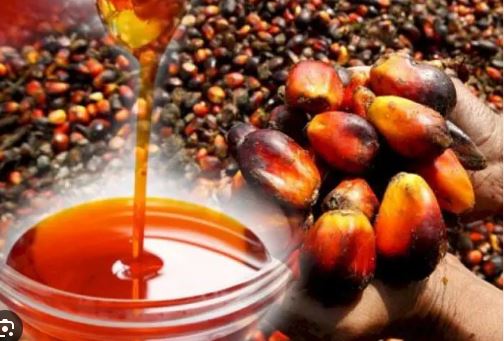
The Oil Palm Development Association of Ghana (OPDAG) has raised concerns over the rising influx of smuggled edible oil into the domestic market, warning that the trend is undermining local producers and threatening the sustainability of the industry.
According to OPDAG President, Paul Kwame Aminu, smugglers are taking advantage of tax loopholes to flood the market with cheaper, untaxed oil, putting locally produced brands at a significant disadvantage.
“There is a need to introduce a traceability system using blockchain technology to track the source and movement of oil supplies, particularly those destined for the school feeding programme,” Aminu said. He added that OPDAG already operates a traceability system that could be extended to suppliers and appealed to the National Food and Buffer Stock Company (NAFCO) to share supplier information to help prevent smuggling and ensure quality.
The association has also urged all oil suppliers to register with OPDAG to guarantee that only certified and FDA-approved products are distributed nationwide. “We want to make sure that all oil supplied to schools meets the highest standards of quality and safety,” Aminu stressed, adding that OPDAG is committed to supporting NAFCO in achieving this goal.
Data from OPDAG show that an estimated 6,000 tonnes of finished edible oil are smuggled into Ghana monthly and sold at abnormally low prices, severely undercutting local brands. The association estimates the country loses nearly US$3 million every month due to illicit imports, stemming from under-declaration, under-invoicing, mis-declaration, smuggling, diversion of goods, and corruption at entry points.
OPDAG emphasized that the oil palm industry has the capacity to meet domestic demand. Current crude palm oil refineries have a combined processing capacity of about 615,000 tonnes per year, compared with an estimated national demand of 300,000 tonnes—more than twice what is needed to serve the domestic market and even export surplus to ECOWAS countries.
Under the 2026 Budget, the government announced a National Policy on Integrated Oil Palm Development, targeting self-sufficiency in palm oil production by 2032. The policy aims to develop over 100,000 hectares of new plantations and create approximately 250,000 direct and indirect jobs, supported by a US$500 million investment in the sector.
Aminu said OPDAG is collaborating closely with NAFCO to curb smuggling and promote increased domestic production of vegetable and palm oil, emphasizing the need to protect local producers and strengthen Ghana’s food security.
Comments