Ghana’s oil and gas sector remains a vital pillar of national development, providing revenue through royalties, taxes, and equity participation to fund key infrastructure and support fiscal stability. However, the latest report by the Public Interest and Accountability Committee (PIAC) has raised concerns about declining revenues and persistent non-compliance with petroleum revenue management laws.
The 2025 Semi-Annual Report, covering the period January to June 2025, reveals a significant drop in petroleum receipts—particularly affecting the Ghana National Petroleum Corporation (GNPC). This publication marks PIAC’s 27th statutory report and the 14th in its semi-annual series since its establishment under the Petroleum Revenue Management Act (PRMA).
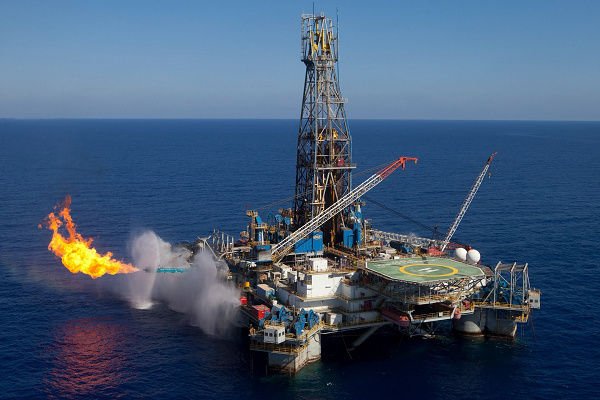
According to the report, oil production continues to be concentrated in Ghana’s three main fields — Jubilee, Tweneboa-Enyenra-Ntomme (TEN), and Sankofa Gye Nyame (SGN) — which remain the backbone of government earnings through equity participation.
PIAC identified ongoing violations of the legal capping formula for the Ghana Stabilisation Fund (GSF). The government’s decision to maintain a US$100 million cap for 2025 contravenes Regulation 8 of L.I. 2381, which outlines the approved computation method. Based on that formula, the cap should have been US$584.22 million.
As a result, the report warns that the Fund’s current balance of US$122.91 million may be inadequate to serve as a financial buffer in times of fiscal distress or economic shocks. PIAC has urged Parliament to ensure that the Ministry of Finance strictly complies with the law to restore the Fund’s intended purpose as an economic stabilisation tool.
The report also highlights a notable downturn in GNPC’s financial performance during the first half of 2025. The Corporation recorded US$65.26 million in receipts and US$59.45 million in expenditures, representing declines of 42.91% and 62.42%, respectively, compared to the same period in 2024.
This marks GNPC’s weakest mid-year performance since 2017 across all three producing fields. Significantly, the Corporation earned no revenue from the TEN Field despite spending US$2.45 million to meet its equity obligations there.
PIAC’s findings underscore the urgent need for enhanced fiscal discipline, transparency, and adherence to the PRMA to ensure the sustainable management of Ghana’s petroleum resources.
The Committee emphasized that without strict compliance and prudent financial management, the country risks undermining the stabilising role of petroleum revenues in safeguarding long-term economic resilience.
Comments