
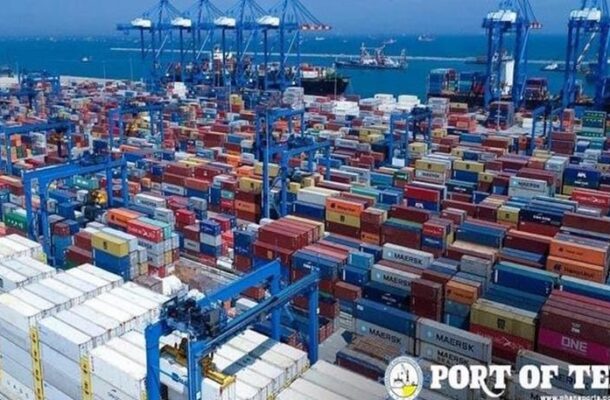
The Food and Beverages Association of Ghana (FABAG) has warned that ongoing delays at the Tema Port are threatening the supply of essential food items such as rice and sugar, with possible implications for market availability and prices.
In a statement dated December 29, the Association said its members are experiencing significant delays in the offloading and clearance of both bulk and bagged goods at the Tema Port, a development that is disrupting supply chains and driving up operational costs.
According to FABAG, the situation stems from a shortage of unskilled labour required to offload cargo from vessels. The Association noted that the workers have been on strike for some time following disagreements with port management over compensation.
Although the Tema Port management has deployed temporary labour to ease the situation, FABAG said the intervention has had limited impact. It explained that the temporary workforce is currently able to offload only about 200 metric tonnes of goods per day, far below the normal operational capacity of at least 2,000 metric tonnes daily.
The Association said the drastic reduction in offloading capacity has resulted in prolonged clearance times, rising demurrage charges and higher operational costs for importers.
FABAG warned that these increased costs could be passed on to consumers, potentially affecting the prices and availability of key food and beverage products, particularly rice and sugar.
The group also raised concerns that prolonged delays could force importers to divert cargo to neighbouring ports, especially the Port of Lomé in Togo.
Such diversions, FABAG cautioned, could have wider economic and security implications, including the risk of smuggling goods back into Ghana, leading to revenue losses for the state and undermining trade regulations.
The Association has therefore called for urgent action to resolve the situation, urging the Director-General of the Tema Port, port management, labour representatives and other relevant authorities to immediately engage in dialogue.
FABAG stressed that a swift and sustainable resolution is critical to restoring efficient port operations, reducing unnecessary financial burdens on businesses and ensuring the uninterrupted supply of food and beverage products to the Ghanaian market.
Comments