
Rice Producers call for six-month import ban to clear GH¢5bn Market Glut
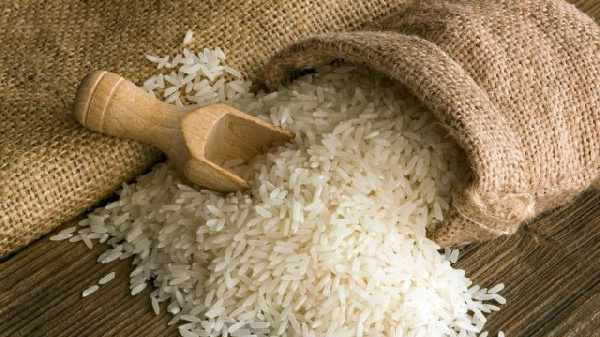
The Association of Ghana Rice Producers and Processors has appealed to government to impose a six-month ban on imported rice to help clear a growing glut of locally produced rice on the market.
According to the Association, an estimated one million metric tonnes of unsold paddy rice valued at about GH¢5 billion currently remains on the local market, posing a major challenge to farmers and processors across the country.
An executive member of the Association, Terence Adda-Balinia, attributed the situation to inadequate market access and a lack of buyers for locally produced rice.
Speaking during a recent World Bank Civil Society Organisation engagement on food security, Dr. Adda-Balinia explained that one of the key proposals to government is a temporary six-month moratorium on rice imports to allow existing local stocks to be sold.
The Association is also advocating for the introduction of a transparent import quota system to ensure imported rice only fills supply gaps rather than competing directly with local production.
Rice has become one of Ghana’s staple foods, with annual consumption approaching two million metric tonnes. However, imported rice continues to dominate the market, accounting for between 60 and 70 percent of total consumption.
According to industry players, the strong preference for imported rice is driven by urbanisation, population growth, and consumer demand for parboiled and fragrant long-grain rice varieties.
Dr. Adda-Balinia noted that the influx of cheaper imported and smuggled rice has overwhelmed the local market, forcing several rice millers to suspend operations.
“Over one million farmers are overwhelmed in huge losses, with the situation posing high threats to the sustainability of the local rice industry. This is also creating a high tendency of unemployment crisis in the sector,” he stated.
Although local producers acknowledge that imported rice is often cheaper, better packaged and more attractive to consumers, they insist that the large import volumes are reducing demand for locally produced rice.
The Association further identified poor marketing and distribution systems, low farmgate prices and high production costs as major challenges confronting the local rice industry.
Producers and processors are therefore urging government to prioritise guaranteed markets for locally produced rice, warning that huge investments in the sector could be undermined without stronger policy interventions.
To support the industry, the Association is proposing the introduction of annual minimum farmgate prices and the establishment of a special financing facility to provide low-interest loans to rice millers, particularly during harvest periods.
Industry stakeholders believe the proposed measures are necessary to sustain growth in Ghana’s rice sector, improve farmer incomes and reduce the country’s dependence on rice imports.




Popular News
No trending posts found.