
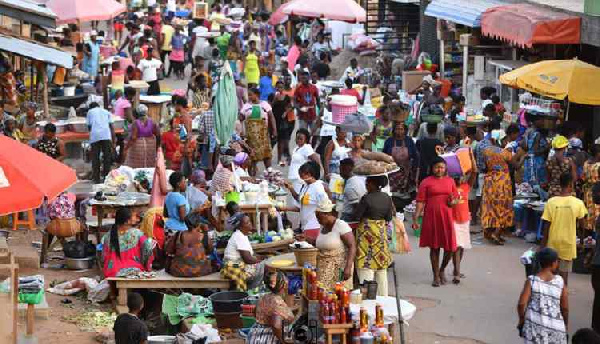
Some small and medium-sized enterprises (SMEs) in the Sekondi-Takoradi Metropolis have expressed optimism about improved economic conditions and business growth in 2026.
The Chief Executive Officer of The Mayor’s Tap, Desmond Tyro, attributed this optimism to the relative stability of the Ghanaian cedi against major foreign currencies over the past year, as well as the removal of certain taxes, including the COVID-19 recovery levy. He said these developments are expected to create a more favourable environment for businesses.
The Mayor’s Tap operates in the sale of computers, mobile phones and accessories.
Speaking on the outlook for the year, Mr Tyro said the government’s efforts in maintaining currency stability and easing the tax burden on businesses should positively impact operating costs. He urged authorities to build on the economic growth recorded in 2025 to sustain the positive momentum in 2026.
“Last year, the stability of the cedi and the abolition of some taxes, such as the COVID-19 recovery levy, were commendable. I believe these measures will help create a conducive climate for businesses to thrive in 2026,” he said.
He also praised the government for reducing petroleum product prices, describing the move as a positive signal for the economy. According to him, lower fuel prices ease transportation and operational costs, which is critical for small businesses.
However, Mr Tyro expressed concern about the recent increase in utility tariffs, warning that it could negatively affect SMEs and households. The Public Utilities Regulatory Commission (PURC) has announced increases in electricity tariffs by 9.86 per cent and water tariffs by 15.92 per cent, effective January 1, 2026.
He noted that the tariff hikes would place additional financial pressure on small businesses and called on the government to introduce strict measures to make utility costs more affordable in order to protect and sustain the growth of SMEs.
Comments