
As the New Patriotic Party (NPP) approaches its highly anticipated presidential primary scheduled for Saturday, January 31, 2026, the party and security agencies have intensified preparations to ensure a peaceful, credible, and transparent electoral process.
In a series of high-profile events culminating at the Peace Pact signing at the Alisa Hotel on Thursday, key figures within the party and the Ghana Police Service outlined the security arrangements, emphasized internal party unity, and cautioned against attempts to undermine the primary.
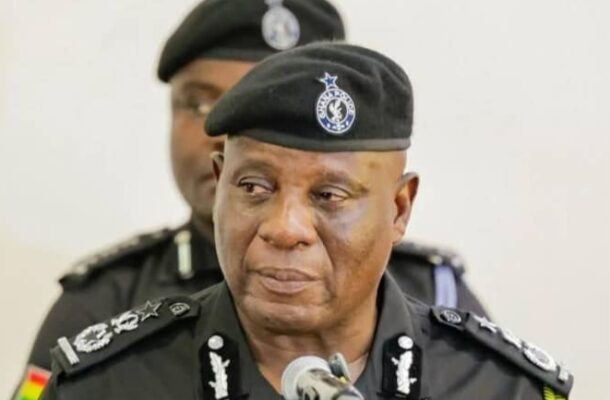
Addressing the gathering, the Inspector General of Police (IGP), Christian Tetteh Yohuno, confirmed that the Ghana Police Service would take full responsibility for the security of the election.
“Some few weeks ago, the NPP Party wrote to the police to inform us that the security for the forthcoming presidential election will be solely handled by the Ghana Police Service,” he said.
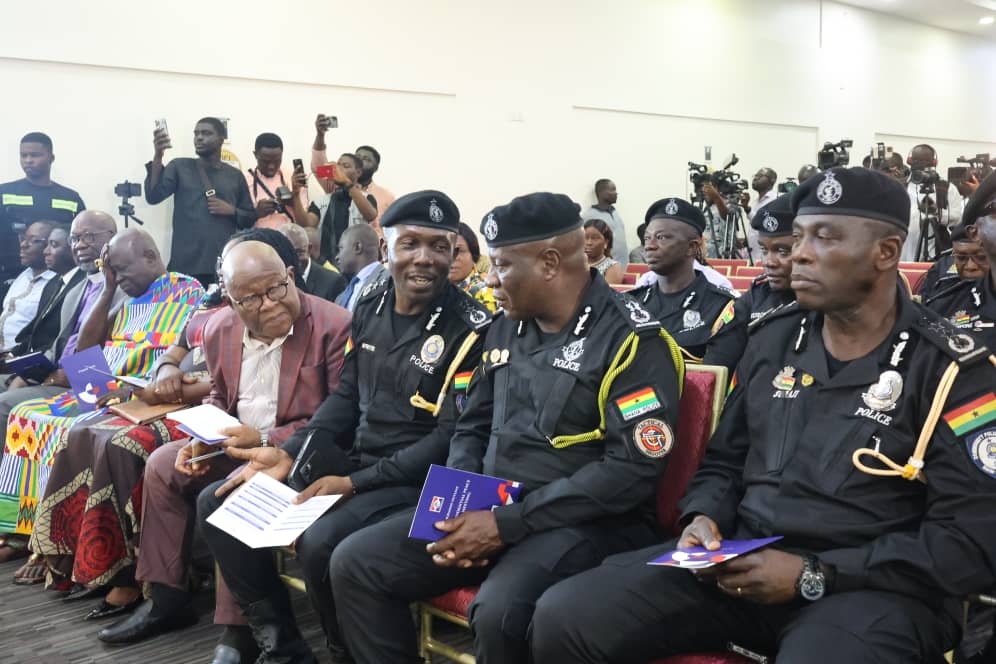
The IGP assured that over 276 police stations across the country would be operationally ready, with at least 70 armed officers deployed at each polling centre.
In addition, the military will provide support in sensitive areas, particularly in Bawku, following concerns from the camp of aspirant Kennedy Agyapong regarding potential deployment of “machomen” to disrupt the process.
“Anybody thinking of bringing private security or machomen should think twice. The police will deal with it very, very severely,” IGP Yohuno warned, emphasizing that any individual attempting to deploy unauthorized personnel would face arrest.
He further reassured delegates and aspirants that all senior police officers had been trained and briefed, and that inner, middle, and outer security deployments had been carefully coordinated to prevent disruptions.
“We have done a lot of training and preparation, and my regional commanders have confirmed readiness for the election today,” he added.
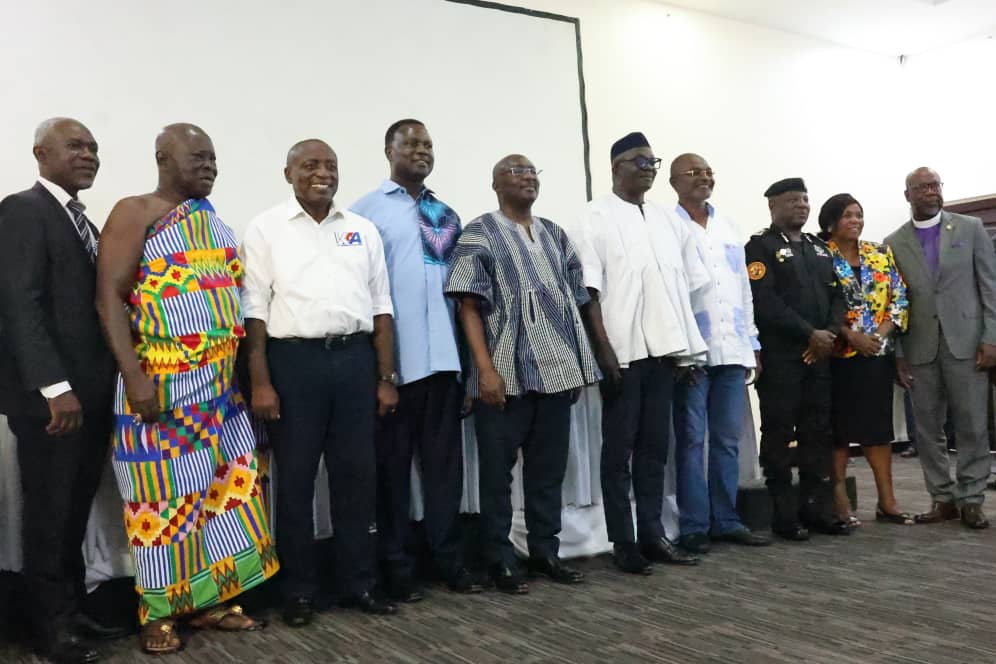
The Peace Pact signing, attended by former President Nana Akufo-Addo, the five presidential aspirants—Dr. Mahamudu Bawumia, Kennedy Ohene Agyapong, Dr. Bryan Acheampong, Dr. Yaw Osei Adutwum, and Kwabena Agyei Agyepong—party executives, members of the National Council of Elders, and representatives of the National Peace Council, focused heavily on promoting unity, discipline, and respect for internal party regulations.
Acting NPP Chairman Smith Danquah Butey emphasized the historical importance of adhering to the party’s democratic traditions.
“As the presidential primary election enters the home stretch, it is important for us all to remind of the fact that each of the five aspirants qualifies to bear the flag for the party. But only one of them will be chosen,” he said.
Butey urged aspirants to commit to supporting the eventual winner for the collective interest of the party, noting the precedent set by former presidents who contested against each other but rallied behind the winner to strengthen party unity.
“The presence of all five aspirants here today gives me hope and comfort that you all follow this tradition of fully and wholeheartedly supporting the winner of next week,” he said, stressing that peace before, during, and after the elections is non-negotiable.
Former Speaker of Parliament and Chairman of the NPP Presidential Elections Committee, Prof. Aaron Mike Oquaye, popularly known as Chairman Uji, reinforced the independence and transparency of the process.
Speaking at the same event, he assured that the elections would be “open, transparent, and there will be no cause to complain at the end of the exercise.”
Prof. Oquaye highlighted the collaborative efforts of the committee with aspirants, security agencies, and party officials to ensure a credible process.
“The police are present here, and we are glad they are, to underscore the point that we are not doing a secret election in any corner. It is open, transparent, and credible,” he stated.
NPP General Secretary, Justin Kodua Frimpong, echoed these sentiments, stressing that aspirants must campaign on ideas, vision, and competence, rather than personal attacks or intimidation.
“Before January 31st, your responsibility, my dear aspirant, is to campaign on ideas, record, and vision, not on insults, threats, and division.
“On January 31st, you must submit fully to the agreed processes, respect the electoral committee, obey security directives, and ensure your supporters avoid intimidation,” he warned.
Chairman of the NPP Council of Elders, Hackman Owusu Agyemang, further called for restraint and trust in the established party systems.
“Elections by their very nature are emotional events, but we must accept the fundamental truth. At the end of the process, there will be only one winner. The peace, stability, cohesion of our party will likely depend on how we, especially the candidates, conduct ourselves after the primary,” he said.
Owusu Agyemang also warned candidates to dismantle any “machomen” or unauthorized security groups within their camps and urged them to refrain from making post-election accusations against the party or the committee.
Adding a legislative perspective, Minority Leader in Parliament, Alexander Afenyo-Markin, cautioned that internal party divisions could weaken the NPP’s ability to serve as a credible opposition in Parliament.
“Every time party actors choose internal sabotage over solidarity, they plant the sharp edge of the minority’s oversight,” he said.
He urged aspirants to conduct their campaigns with civility, discipline, and respect for party regulations, emphasizing that Ghana does not need leaders who are prisoners of their egos but rather servants committed to national service.
“Unity is not a slogan. Unity is conduct. It is a discipline to disagree without destroying one another. Every insult or unsubstantiated allegation today becomes a weapon in our opponent’s hand tomorrow,” he warned.
The Peace Pact signing represents a concerted effort by the NPP to institutionalize internal democracy and ensure the credibility of its presidential primaries.
With over 211,000 delegates expected to vote across 333 polling centres nationwide, the party’s leadership and security apparatus have made clear that any attempts to compromise the integrity of the process will not be tolerated.
The combination of robust police deployment, strategic military support in sensitive areas, and strong internal pledges of unity and discipline aims to safeguard the primaries as a transparent, peaceful, and historically significant exercise in Ghanaian democracy.
Comments