
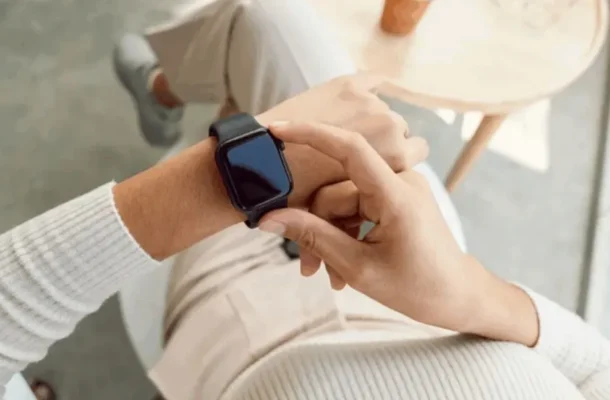
The smartwatch revolution: how technology is saving lives from heart arrhythmias, as new research shows wearable devices dramatically improve early detection and stroke prevention.
A Quiet Shift in Heart Health Monitoring
The smartwatch revolution: how technology is saving lives from heart arrhythmias is no longer a futuristic promise, but an emerging medical reality. Devices once seen as lifestyle accessories are now playing a critical role in detecting serious heart conditions — often before symptoms appear. New research suggests that smartwatches equipped with advanced heart-monitoring features are transforming cardiovascular care, particularly for older adults and high-risk patients.
By combining pulse-based monitoring with clinical-grade electrocardiograms, wearable technology is changing how doctors identify and manage irregular heart rhythms, potentially preventing life-threatening complications such as stroke.
Smartwatches Enter the Medical Mainstream
Modern smartwatches use two key technologies to monitor the heart. Photoplethysmography (PPG) measures pulse patterns through the skin, while built-in electrocardiogram (ECG) sensors record the heart’s electrical activity. Together, they provide continuous insight into heart rhythm — something traditional medical devices often struggle to achieve outside hospital settings.
A recent study led by Amsterdam University Medical Centers (Amsterdam UMC) highlights just how significant this shift could be. The findings suggest that wearable technology may be especially valuable for patients at increased risk of arrhythmias, including those aged over 65.
The Smartwatch Revolution: Evidence from Clinical Research
Published in the Journal of the American College of Cardiology, the study followed 437 patients over a six-month period. Participants were divided into two groups: 219 patients used smartwatches for heart monitoring, while 218 received standard medical care.
Those wearing smartwatches used the devices for an average of 12 hours a day, allowing for near-continuous monitoring. The results were striking. Patients using the Apple Watch detected heart arrhythmias at a rate four times higher than those relying on conventional care.
In the smartwatch group, 21 patients were diagnosed with atrial fibrillation — a common but dangerous irregular heart rhythm. Crucially, more than half of these patients reported no symptoms at all. By contrast, only five cases were identified in the standard care group, and all involved patients who were already experiencing clear warning signs.
Why Early Detection Matters
Atrial fibrillation is one of the leading causes of stroke worldwide. Irregular heartbeats can allow blood clots to form, which may then travel to the brain. Because many people with the condition feel no symptoms, it often goes undiagnosed until a serious event occurs.
Doctors say the ability to detect silent arrhythmias is one of the most important benefits of wearable technology. Early diagnosis allows patients to begin treatment sooner, reducing the likelihood of stroke and other complications.
Comfort, Compliance and Continuous Care
Cardiologist Michiel Winter of Amsterdam UMC told researchers that traditional heart monitoring tools are often uncomfortable and used only for short periods. Holter monitors, for example, can be bulky and disruptive to daily life.
Smartwatches, by contrast, are designed for long-term wear. Their familiarity and ease of use mean patients are more likely to keep them on consistently, improving data quality and diagnostic accuracy.
Looking Ahead: Healthcare and Cost Benefits
Experts believe that wider adoption of wearable devices could ease pressure on healthcare systems by speeding up diagnosis and reducing emergency admissions. Detecting arrhythmias early may also lower long-term treatment costs associated with stroke recovery and chronic care.
As the smartwatch revolution: how technology is saving lives from heart arrhythmias continues to unfold, clinicians say wearable technology is becoming an essential tool rather than a novelty. While smartwatches are not a replacement for medical professionals, they are increasingly proving to be powerful allies in protecting heart health — quietly, continuously and, in many cases, life-savingly.
Comments